Inola residents weigh environmental risks of proposed 750,000-tonne aluminium smelter
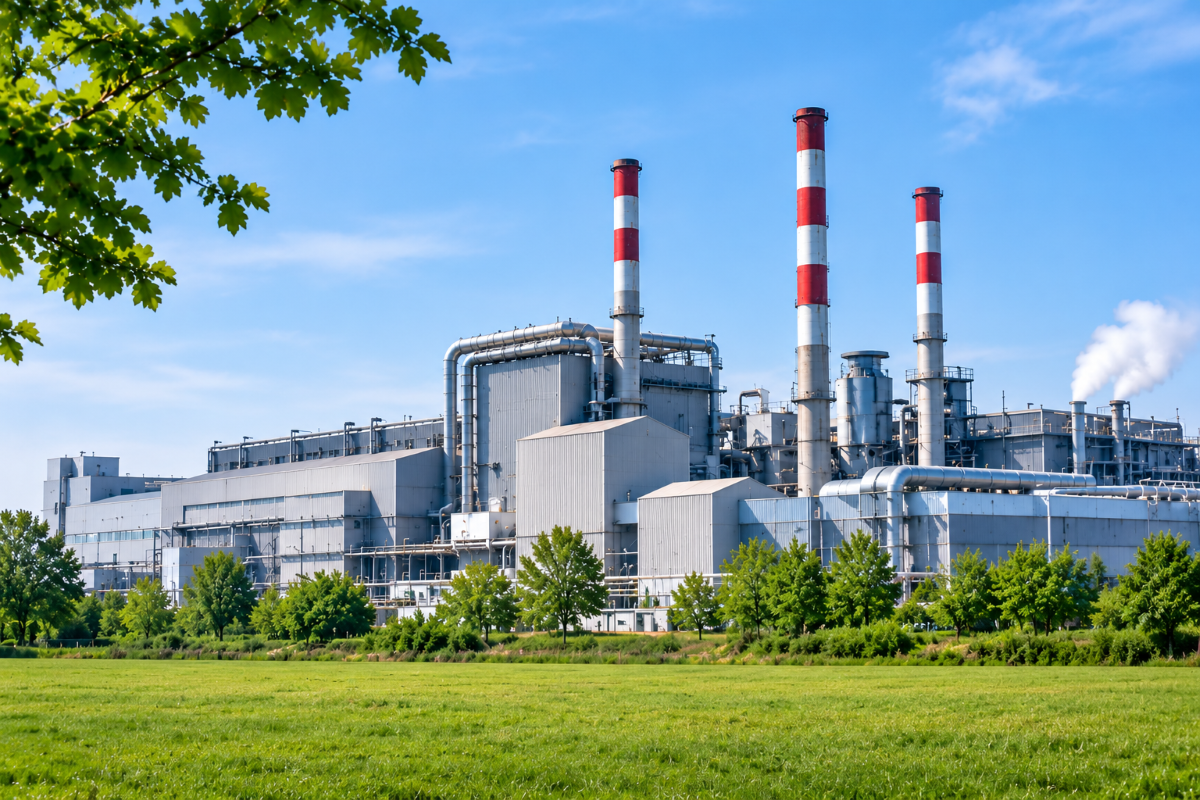
The image used in this article is generated with an AI tool and does not depict any real-time moment
The environmental implications of a proposed aluminium smelter in Inola, Oklahoma, have come under scrutiny, with experts highlighting concerns over fluoride emissions, air quality and potential effects on local livestock and public health. At a special town meeting on Thursday, residents and town leaders heard the findings of an environmental risk evaluation commissioned by the town.
The assessment was conducted by Jacobs Engineering Group, which was hired to examine the potential health and environmental effects of the proposed Oklahoma Primary Aluminum smelter, a joint project involving Emirates Global Aluminum and Century Aluminum. The facility is designed to produce up to 750,000 tonnes of aluminium annually.
One of the key findings highlighted in the report was the estimated annual release of 328 tonnes of fluorides. Jacobs identified fluoride as the pollutant most closely associated with potential harm to cattle. The report also referred to studies of older smelters that linked emissions to lung problems among people before stricter environmental regulations were introduced.
However, the assessment does not yet provide predicted pollution levels for Inola, as the company's detailed air modelling work is still under development. Jacobs has recommended independent monitoring of soil, air and cattle ponds surrounding the proposed facility. Such testing beyond the plant's boundary is not currently required under regulations.
Explore: The most comprehensive and forward-looking industry-focused report – Global Bauxite & Alumina Market Forecast to 2036: Supply–Demand, Trade Flows & Price Outlook
Fluoride emissions and air quality concerns take centre stage
The potential impact of the facility has particular significance for Inola, an area where many residents depend on agriculture, hay production and cattle farming. Environmental scientist Charles L. Marshall, who participated in one of Thursday's panels, has already conducted four community training sessions to help residents understand the proposed project and its possible environmental consequences.
Before the meeting, Marshall told News On 6 that these sessions focused on explaining what an aluminium smelter is, how it operates, the chemicals involved in the production process, and how air pollution is generated and dispersed.
“I’m here to help translate some of that science into something that they can understand and ask questions about and get a greater understanding of the future,” Marshall said.
He noted that residents are concerned about the potential consequences for livestock, their own health, children's health and the wider community. Fluoride emissions have emerged as one of the main areas of concern.
Beyond fluoride, Marshall raised questions about the combined effects of different pollutants released during aluminium smelting. While individual air contaminants have established limits, he pointed out that there is no corresponding limit for their combined presence.
Marshall said there is a limit for each type of air contaminant, “but there’s no limit for the mixture of them.” He said pollutants from smelting include “many different compounds” that can aggravate the lungs, not just fluoride, and that particulate matter and oxides of sulfur and nitrogen from the plant also affect conditions such as asthma, bronchitis and COPD.
He also highlighted the need for clarity on how the facility would respond to pollution monitoring alerts and the possibility of prolonged exposure over several years. These questions are particularly relevant to residents seeking assurances about the long-term environmental impact of the project.
Marshall said he planned to ask what will be done “when the alarms go off on the monitors” and what happens if there is sustained pollution year after year. Ozone levels are another concern for the region. According to Marshall, the Tulsa area “already has ozone alert days throughout the year.”
Responding to the concerns, Oklahoma Primary Aluminum said its objective was to develop and operate a facility that complies with public health standards while supporting regional employment and economic development.
In a statement, the company said, “Our goal is to build and run a plant that meets the standards that protects public health and benefits the region through job growth and economic development.
“This meeting provided another opportunity for all perspectives to be heard, which is key to moving this project forward.
“We will continue to work under the oversight of the Oklahoma Department of Environmental Quality. The ODEQ is currently reviewing an earlier study, which found that national air-quality standards will be met everywhere the public can go once the plant is operating, and that fluoride will have no adverse impact on soils and vegetation near the site.”
Explore our e-magazine ALuminium LeaderSpeak 2026 for the latest industry insights and trends
Grow with
AL Circle












_md.webp)
_md.webp)
_md.webp)