Canada extends Chinese aluminium tariff relief to 2028, adds 32 metal import exemptions
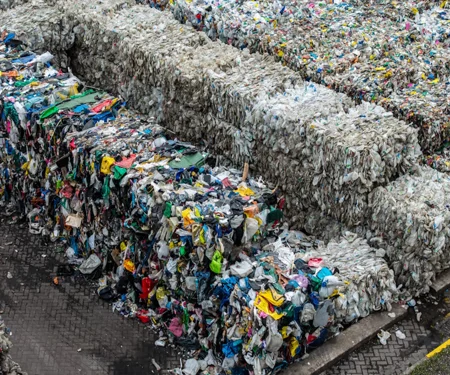
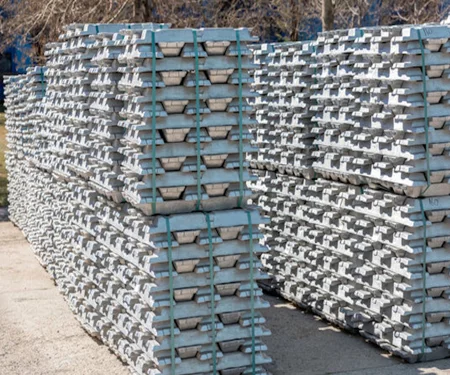
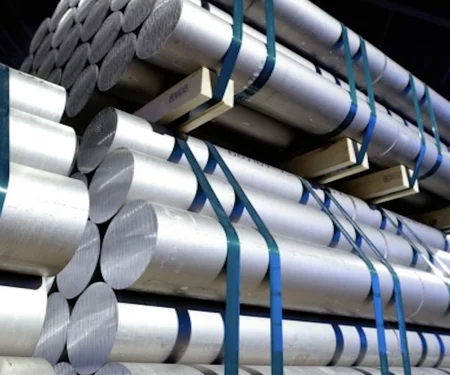
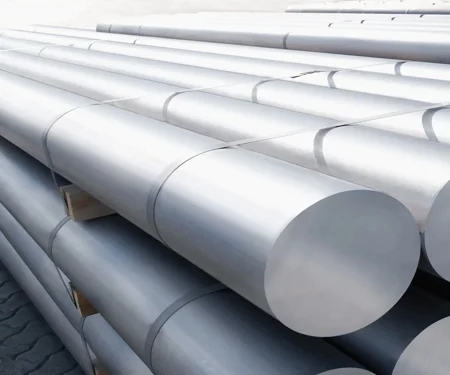
Stock image for referential purposes only
Canada is expanding tariff exemptions on Chinese aluminium imports, adding 32 metal tariff items to the relief framework and extending existing exemptions through 2028. The agreement, signed between Canadian Prime Minister Mark Carney and Chinese President Xi Jinping, attempts to ease domestic metal supply constraints. China would reciprocate with additional tariff relief on approximately CAD 400 million (USD 280 million) worth of diversified products. This marks another step in the countries’ efforts to stabilise bilateral trade relations amid continued trade tensions with the US.
The expanded relief covers all or part of twenty-three steel and nine aluminium tariff items which are insufficient or unavailable in the Canadian domestic market. The measures are intended to reduce import costs for manufacturers dependent on these metals without entirely dismantling Ottawa’s broader tariff protections for domestic producers.
The move builds upon the trade accord reached in January, under which Canada had introduced 66 product-specific and 49 company-specific remissions. Ottawa also expanded coverage to two aluminium derivative products under the earlier arrangement.
However, the latest concessions do not amount to a wholesale rollback of Canada’s metals trade restrictions. Ottawa’s wider duties on Chinese aluminium remain in place, including the 25 per cent surtax imposed on specified imports in October 2024 over concerns about non-market policies and their impact on domestic production and investment.
Explore: Most comprehensive and forward-looking industry-focused report — Global Bauxite & Alumina Market Forecast to 2036: Supply–Demand, Trade Flows & Price Outlook
US trade concerns loom in the background
The expanded Canada-China arrangement surfaces against the backdrop of strained trade relations between Ottawa and Washington. The US has previously raised concerns about the possibility of foreign metals like aluminium entering its market through Canada under preferential trade arrangements.
US Trade Representative Jamieson Greer had called for safeguards to prevent Chinese aluminium and steel from being routed through Canada to access the American market at lower tariff rates.
An August assessment of tariff evasion conducted by the White House’s Office of Trade and Manufacturing Policy even flagged Canada among the “biggest enablers” of tariff evasion through the transshipment of Chinese goods through third countries, thereby leaving the source origin doubtful.
These concerns add another layer to Canada’s efforts to balance access to competitively priced imported metals with the protection of its domestic industry and North American trade relationships.
Carney expressed approval for the renewed engagement which represented a positive shift in bilateral relations, stating, “Canada and China have recalibrated our relationship to the benefit of citizens in both countries.”
He also highlighted better stability in trade exchanges, adding that Canada was ahead of schedule in its target to increase exports to China by 50 per cent by the end of the decade.
Explore primary aluminium suppliers, product listings and trade opportunities on the AL Biz platform.
Wider trade agreement strengthens bilateral engagement
The broader January agreement also addressed the electric vehicle (EV) trade. Canada reduced its 100 per cent tariff on Chinese EVs to 6.1 per cent, initially allowing an annual quota of 49,000 vehicles. The quota is expected to rise to 70,000 over five years. Around 16,200 vehicles had entered Canada under the arrangement since March.
China’s President Xi Jinping described stronger bilateral ties as serving the interests of both countries and “safeguarding world peace, stability, development and prosperity,” adding, “This is the right choice.”
Carney has also announced plans for a Canadian trade mission to China in 2027. Ottawa estimates that the renewed engagement has restored access for more than 90 per cent of Canadian trade previously affected by tariff measures, representing nearly CAD 7.5 billion in exports.
The expanded exemptions offer Canada’s aluminium manufacturers greater importing flexibility. At the same time, the continuation of broader tariff measures indicates that Ottawa is seeking a calibrated approach by addressing supply gaps while maintaining protection for domestic production.
The longer-term implications will depend on how the expanded trade arrangement evolves as Canada navigates its bilateral relations with the US.
Unlock key insights from leading companies and experts across the aluminium ecosystem with our e-Magazine - Mine to Market: ALuminium Producers & Manufacturers 2026
Grow with
AL Circle












_md.webp)
_md.webp)
_md.webp)