LME aluminium backwardation hits 38yr high at $405/t; Oddo calls for urgent action
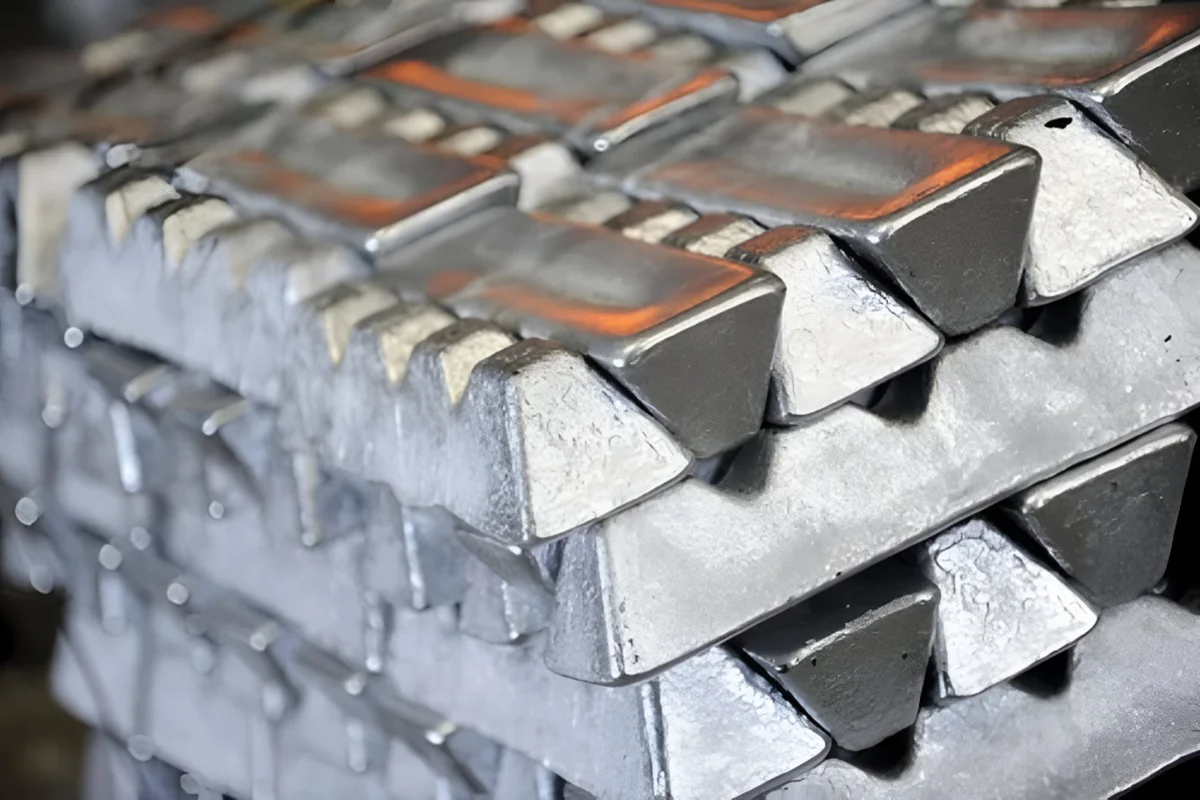
The image used in this article is generated with an AI tool and does not depict any real-time moment
The London Metal Exchange (LME) is facing calls for urgent intervention as an unprecedented aluminium market squeeze pushes the premium for immediate metal to such highs not witnessed in about four decades. With available inventories close to multi-decade lows and a considerable share of exchange stocks concentrated among a limited number of market participants, concerns are mounting over aluminium availability, pricing and supply-chain stability.
The LME aluminium cash contract last traded at a premium of USD 405 per tonne over the three-month forward contract, revealing a sharp backwardation in the market. Antoine Chacun, Managing Director of Oddo BHF Metals, noted that the scale of aluminium backwardation has “reached levels unseen since 1988.”
He has urged the exchange to address the situation, asserting that it is “both essential and urgent for the LME market authorities to intervene.”
Explore: Most comprehensive and forward-looking industry-focused report — Global Bauxite & Alumina Market Forecast to 2036: Supply–Demand, Trade Flows & Price Outlook
Exchange data throws light on a sizable concentration in aluminium positions, surrounding all LME aluminium warrants, or title documents regarding ownership. One entity held between 50 per cent and 79 per cent of all LME aluminium warrants, while the data also depicted significant holdings hovering between 40 and 49 per cent across cash contracts and warrants.
Aluminium supply risks intensified with low inventories
Chacun attributed the squeeze to available LME aluminium stocks of just over 220,000 tonnes, close to their lowest level since 1990. He also noted that exchange inventories consisted almost entirely of Russian aluminium, which he said had come under the control of a limited number of participants.
At the end of October, Russian aluminium made up 99.98 per cent available aluminium stocks in LME warehouses. Even a month before that, Russian-origin aluminium accounted for 99.98 per cent of available stocks at the end of September, up from 95 per cent in August.
Describing the situation as “critical for the entire industry, which relies on the LME as a benchmark,” Chacun highlighted the pressure on producers, processors and stockholders. Producers are finding it difficult to sell, processors are struggling to secure supplies, and entities holding inventory are facing the impact of steep backwardation.
He urged the LME to identify dominant market positions and establish rules to limit extreme backwardation, warning that the resulting supply-chain risks were significant.
Explore primary aluminium suppliers, product listings and trade opportunities on the AL Biz platform.
An LME spokesperson, however, stated that the exchange already had safeguards against undue influence from large or dominant positions. These include front-month lending rules, daily position reporting and accountability levels.
The spokesperson continued, “The LME also routinely requests further position management information from market participants and has the power to require positions to be managed,” as and when necessary.
Chacun further argued that the squeeze did not reflect the prospect of a growing global aluminium surplus, as aluminium from Indonesia was not yet deliverable on the exchange.
“Without a response,” he warned, market pressures could continue to escalate “until it reaches breaking point.”
Unlock key insights from leading companies and experts across the aluminium ecosystem with our e-Magazine - Mine to Market: ALuminium Producers & Manufacturers 2026
The plot thickens: US-Canada deal ‘fairly close’ as China aluminium ties add a new twist
Next articleIndia's ₹4 trillion aluminium investment pipeline faces import pressures as AAI seeks higher duties
Grow with
AL Circle













_md.webp)
_md.webp)