Tekna and Safran sign long-term deal for titanium and aluminum powders as 25% of future engine parts target 3D printing
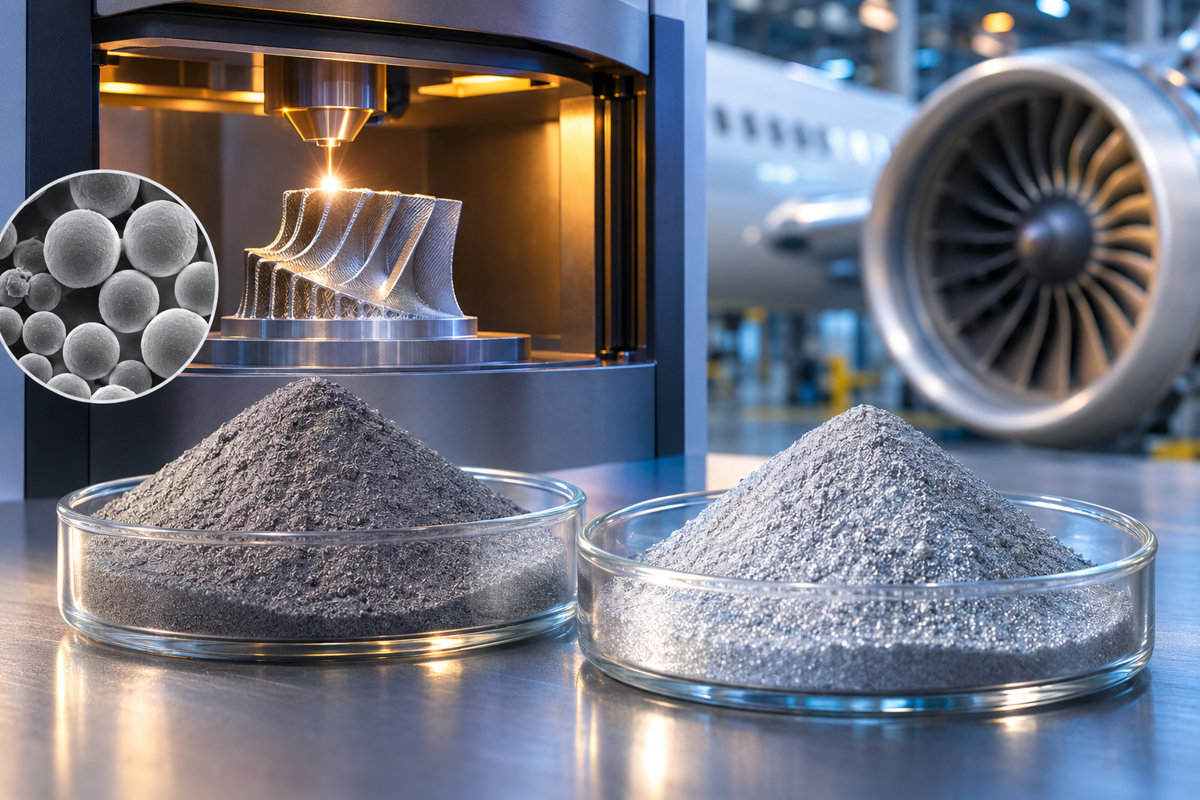
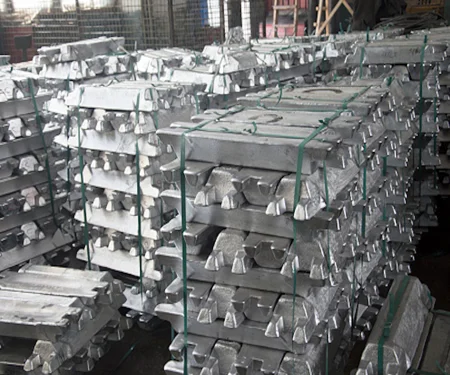
The image used in this article is generated with an AI tool and does not depict any real-time moment
Tekna Holding ASA takes another step forward in the aerospace additive manufacturing supply chain as the Canada-based company signs a long-term supply agreement with French aerospace group Safran for titanium and aluminum alloy powders. The partnership builds on nearly a decade of collaboration and is expected to support the industrialization of metal 3D printing across aerospace and defense applications.
Under the agreement, Tekna will supply Safran with two specialized metal powder grades: titanium alloy Ti-6Al-4V and aluminum alloy AlSi7Mg. Both materials will support Safran's existing manufacturing operations and its broader adoption of additive manufacturing technologies.
The agreement also incorporates a demand-forecasting protocol, enabling Tekna to anticipate Safran's material requirements and plan production capacity accordingly. This arrangement is intended to help both companies coordinate their industrial operations and accommodate evolving supply needs over the coming years.
However, the companies have not disclosed the contracted supply volumes, specific aerospace programs, applications, or end-use components, citing confidentiality considerations.
To learn the growing contribution of aluminium flat rolled products in the packaging sector, explore our report "ALuminium in Packaging: Consumer Trends and Market Dynamics"
Claude Jean, CEO of Tekna, commented on the agreement, saying “This agreement with Safran marks an important milestone in a partnership built over nearly a decade,” said Claude Jean, CEO of Tekna. “Being selected as a partner of choice by one of the world’s leading aerospace groups reflects the consistent quality of our materials and the reliability of our service and underscores the trust Safran places in our teams. It provides a strong foundation for scaling our operations as we continue to drive the industrialization of additive manufacturing in aerospace and defense.”
The agreement comes as Safran continues to expand the application of additive manufacturing across its aerospace operations. The group already produces several components in series using the technology, incorporating aluminum, titanium, and nickel-based alloys.
Looking ahead, Safran expects additive manufacturing to account for 25 per cent of the parts in its future engines.
The technology enables manufacturers to produce complex component geometries while supporting more efficient material utilization. For aerospace applications, the availability of qualified metal powders and reliable supply arrangements remains important as manufacturers scale production.
François-Xavier Foubert, General Manager of Safran Additive Manufacturing Campus, also shared, “Tekna has been a dependable partner since Safran Additive Manufacturing Campus first moved into additive manufacturing. This agreement is a natural continuation of our successful collaboration as we move from development to industrialisation.”
Participate in AL Circle's upcoming e-Magazine Smart ALuminium - Advancing Industrial Technologies in 2027 to showcase the advancement of technologies in aluminium recycling
The recent agreement builds on a commercial relationship that began in 2016, with Safran already ranking among Tekna's largest customers.
A key development came in 2021, when Safran formally qualified Tekna's materials. The approval provided a foundation for expanding supply arrangements and strengthening cooperation between the companies.
Tekna's expertise in high-purity metal powders and plasma-based technologies supports applications across additive manufacturing, medical devices, consumer electronics, and other advanced manufacturing sectors.
Headquartered in Sherbrooke, Canada, Tekna specializes in producing advanced materials and developing induction plasma systems for industrial research and production. Its portfolio includes spherical titanium and aluminum alloy powders, alongside other specialty metal materials.
The agreement’s undisclosed commercial terms mean that its financial value and expected contribution to Tekna's revenue cannot yet be assessed. Nevertheless, the partnership represents a continuation of an established supplier relationship as Safran advances its additive manufacturing ambitions.
To explore why effective emulsion management is becoming an increasingly important part of process control in aluminium hot rolling, join the exclusive webinar presented by Quaker Houghton
Grow with
AL Circle













_md.webp)
_md.webp)