China aluminium sheet, strip and foil defy off-season lull; "golden September" rally in sight

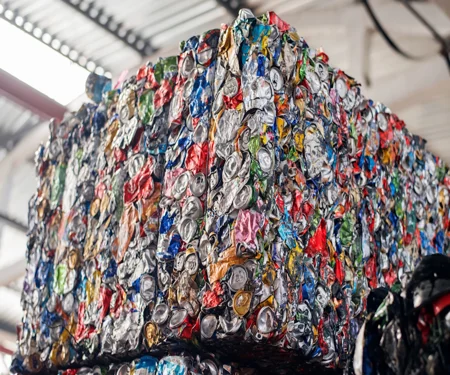
Stock image for referential purposes only
China's aluminium sheet, strip and foil sector posted a stronger-than-expected off-season performance in August 2026, based on Mysteel's data. Specially, the weekly output eased modestly from July peaks but held steady near 390,000 tonnes, with operating rates hovering around 70 per cent. Orders stimulated by July's lower prices continued to be delivered through August, driving a drawdown in finished goods inventories followed by stabilisation -- a "not-so-quiet off-season" scenario.
As the traditional "Golden September, Silver October" peak consumption season approaches, and with traders' inventories of primary aluminium having fallen to a low of 790,000 tonnes, downstream offtake demand is expected to release gradually. Operating rates and output in the sheet, strip and foil sector are poised for a fresh upswing, keeping the peak-season rally well within reach.
Mysteel's survey data from 130 sampled aluminium sheet, strip and foil enterprises nationwide showed that July weekly output edged lower month-on-month from June, but full-month production still exceeded 1.56 million tonnes, with the year-on-year decline remaining extremely limited. Entering August, weekly output from sampled enterprises held at around 390,000 tonnes, only about 10,000 tonnes per week below July peaks, far outperforming the "cliff-edge" drops typically seen in the same period of previous years.
By product mix, the share of high-value-added products, such as aluminium foil, PS plate stock, and aluminium alloy sheet/strip for electric vehicles (EVs), continued to rise, reflecting the sector's ongoing shift toward high-end, differentiated product structures.
On operating rates, the sector averaged around 70 per cent, down from the 72 per cent-73 per cent levels seen in the Q2 peak season but still at a relatively high level for the same period in recent years. By region, operating rates in traditional aluminium processing hubs such as Shandong and Henan remained stable, with large leading enterprises mostly running above 85 per cent; processing firms in core consumption regions including Guangdong and Jiangsu posted rates slightly above the national average, buoyed by sustained demand from EV and solar PV aluminium extrusion.
When aluminium prices hovered in the relatively low RMB 22,500-23,000/tonne range in July, downstream fabricators and end-users actively replenished stocks on dips. This was driven both by profits at lower prices and by early stockpiling ahead of the "Golden September, Silver October" peak season. This lifted new order volumes for sheet, strip and foil enterprises above typical year-ago levels, with some top players seeing their order books extended into late August.
As aluminium prices rallied above RMB 24,000 per tonne in August, downstream buying slowed markedly. Yet contrary to the widely expected demand lull, August order books remained full. Continuous delivery of previously secured orders kept production schedules manageable. According to Mysteel, some leading enterprises have extended their production schedules into mid-September, providing strong support for a smooth transition into the peak season.
In early-to-mid July, concentrated deliveries against earlier low-price orders drove a rapid drawdown in finished goods inventories at sheet, strip and foil enterprises. From late July into August, as prices climbed and downstream purchases slowed, offtake eased, but producers also proactively adjusted output to balance supply and demand. Finished goods inventories remained at reasonably low levels overall, without any notable passive accumulation.
Compared with the same period in previous years, significantly lower finished goods inventories in July-August 2026 can be attributed to two factors: first, more disciplined operating strategies, with "produce-to-order" and strict inventory controls becoming industry consensus; second, resilient off-season demand leaving little room for stockpiling.
In January-July 2026, China's cumulative exports of unwrought aluminium and aluminium products reached approximately 4.04 million tonnes, up 12.0 per cent year-on-year. July alone saw exports of 643,000 tonnes. While this was down 9.5 per cent month-on-month from June's 711,000 tonnes, which marked the first-half peak, July's volume still ranked as the second-highest of the year, up 18.7 per cent from July 2025, pointing to an overall upbeat export picture.
By product category, aluminium plate, sheet and strip (HS 7606) exports stood at 322,000 tonnes in July, the largest component of aluminium product exports. Within this, aluminium alloy thin sheet (76061220) exports totalled 139,000 tonnes, accounting for 43.2 per cent of plate and strip exports, underscoring the rising share of high-value-added products. Sustained export growth has provided important demand-side support for the domestic aluminium market and, to some extent, offset the drag from softening domestic demand during the off-season.
The current combination of low inventories, a pronounced supply-demand gap, and rising costs underpins the bullish bias in aluminium prices. The seasonal demand increment from the peak season will inject fresh momentum into this core narrative.
Mysteel expects the most-active SHFE aluminium contract to trade firm within a RMB 24,000-25,000 per tonne range in September. Operating rates in the sheet, strip and foil sector are likely to recover from the current 70 per cent to 73 per cent-74 per cent, while finished goods inventories should return to a drawdown path as peak-season deliveries accelerate. Key risks to monitor include the dampening effect of elevated prices on downstream buying interest and the sustainability of fabrication margins.
For aluminium sheet, strip and foil enterprises, the following strategies are advisable: first, use price pullbacks as windows to build raw material inventory for the peak season, preferably locking in prices on dips within the RMB 23,500-23,800 per tonne range; second, optimise product mix by tilting toward high-value-added foil and EV sheet and strip; third, strengthen order communication with downstream customers to secure peak-season volumes in advance.
Overall, the aluminium sheet, strip and foil sector has weathered a "not-so-quiet off-season" in 2026 and is set to embrace a more certain peak-season rally. The fundamentally bullish backdrop remains intact, and the "Golden September" outlook still holds.
Note: This news is published under a content and exchange agreement with Mysteel
US aluminium manufacturers launch alliance to address tariff concerns
Next articleSuperAlloy targets semiconductor aluminium as second growth engine beyond automotive
Grow with
AL Circle