Bauxite surge, freight strain and premium spikes signal aluminium market shift
The global aluminium value chain is going through some significant changes. With shifting trade patterns, increasing geopolitical tensions, innovations driven by sustainability and rising cost pressures, the market fundamentals are being redefined. The industry is facing a tricky mix of opportunities and uncertainties, from realignments in bauxite supply and freight fluctuations to spikes in premiums and strategic capacity adjustments. All of this could have a big impact on supply, pricing, and investment trends in the near future.
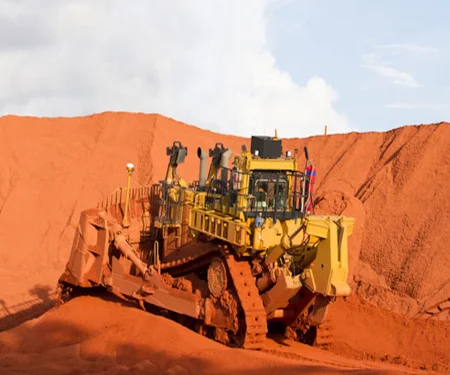
Global bauxite shipments increased by 16 per cent in comparison to the same period last year during the first 11 weeks of 2026. The reason behind this is the rising demand from China for supplies from Guinea, which further cements China's leading role in seaborne trade and enhances capesize shipping activity. Factors like China's aluminium production cap, possible export restrictions from Guinea, and external challenges such as rising energy costs and geopolitical tensions could significantly impact the stability of demand and supply.
Upstream Weekly Recap by AL Circle Pvt Ltd
Vedanta Aluminium, in terms of sustainable mining, has been able to slash CO₂ emissions by 50 per cent at its Kodingamali bauxite mines. The firm has done this by introducing electric vehicle (EV) loaders, which have replaced the traditional diesel-powered operations. This shift not only boosts operational efficiency but also reduces carbon intensity during loading activities. It’s all part of the company’s larger decarbonisation strategy, showcasing their dedication to greener, tech-savvy mining practices.
India increased its bauxite supply, with more than 1 million tonnes of cargo from Guinea being redirected to Indian ports after trade routes in the Middle East were disrupted due to regional tensions. This shift in shipments, which was originally meant for the UAE, underscores the changing dynamics of global trade, bolstering India’s role as an alternative import hub. It also provides a much-needed boost to its alumina sector, which has been facing domestic supply challenges.
Rising freight costs are starting to impact the bauxite trade between Guinea and China, squeezing profit margins and creating challenges for one of the world’s key aluminium supply routes. Although demand from China remains robust, the increase in shipping costs, changes in how vessels are deployed, and possible policy changes from Guinea, such as export controls, are adding a layer of uncertainty.
Scientists at the CSIR-Institute of Minerals and Materials Technology (IMMT) innovated a sustainable way to turn bauxite residue into high-performance refractory bricks that can handle temperatures soaring up to 1,400°C. This breakthrough not only tackles the pressing needs for industrial materials but also addresses the challenges posed by mining waste. By reducing the environmental risks tied to residue disposal, this solution provides a cost-effective, circular option for heavy industries.
Alumina production in Africa and Asia (excluding China) saw a notable 4.8 per cent increase year-on-year in 2025, hitting approximately 14.5 million tonnes. This growth was fueled by consistent refinery operations, capacity expansions in Asia—especially in Indonesia and better plant utilisation.
Nigeria has received over USD 2.6 billion in foreign direct investment for its mining sector over the last two and a half years. This surge is largely thanks to a series of regulatory reforms designed to boost transparency, digitise licensing processes, and tackle illegal mining activities. These increased investments show a growing confidence among investors as the government emphasises mining as a crucial part of its economic diversification strategy.
Japanese aluminium buyers agreed to pay a significantly higher premium of USD 350 per tonne for shipments scheduled in Q2 2026. This decision follows Rio Tinto’s updated offer, which comes amid rising tensions in the Middle East. This notable increase, which is almost 79 per cent more than the previous quarter, highlights the growing risks in the supply chain, along with surging freight and insurance costs.
Century Aluminum saw a boost in market demand, which has led them to restart some of their idle capacity at the Mt. Holly smelter. The firm expects to ramp up to full production by the second quarter of 2026, due to a solid long-term power agreement. In addition to this operational comeback, the company is pushing forward with its growth plans through a partnership with Emirates Global Aluminium to create a new smelter in the United States, capable of producing 750,000 tonnes per year.
Alvance boosted its aluminium production by 10 per cent at the Lochaber smelter in the UK. The firm has been able to do this by smartly taking advantage of favourable US tariff differences, which have opened up greater access to the American market and increased its export volumes. This shift really shows how changing trade policies can turn tariff challenges into real business opportunities.
Alcoa's share price tumbled by 11 per cent as worries about the escalating conflict in Iran intensified. This turmoil has sent shockwaves through the global aluminium market, with LME futures experiencing their biggest drop since 2018, although they did manage to bounce back a bit afterwards. This situation underscores the rising concerns among investors regarding geopolitical risks, the potential for supply chain disruptions in the Middle East, and the unpredictable nature of prices.
Alcoa’s San Ciprián aluminium smelter in Spain has ramped up to about 90 per cent of its capacity and is on track to hit full production by mid-2026. This marks a significant operational recovery after previous cutbacks due to soaring energy costs and power outages. However, the long-term success of the smelter hinges on securing a reliable and competitive power supply.
European aluminium premiums skyrocketed to an all-time high of USD 472 per tonne in March 2026, a significant jump from earlier this year. This surge is largely due to tightening regional supply and rising costs that have pushed physical market prices up. The increase has been primarily fueled by escalating tensions in the Middle East, which are affecting the flow of aluminium exports through the Strait of Hormuz, a vital route for shipments to Europe.
_0_0.png)
Aluminium processing rates rebound 1.1 per cent M-o-M, but lag behind previous years' peak-season levels
Next articleTianshan Aluminum slips 7.48%, yet fundamentals remain stable
Grow with
AL Circle