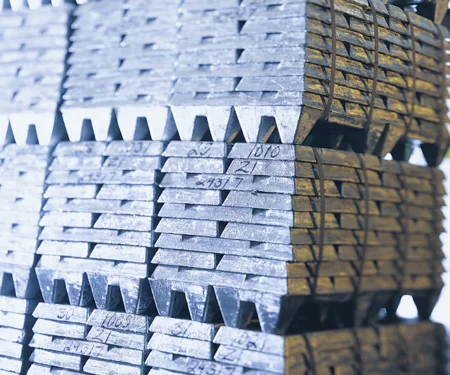
CSIR-IMMT scientists turn bauxite residue into refractory bricks
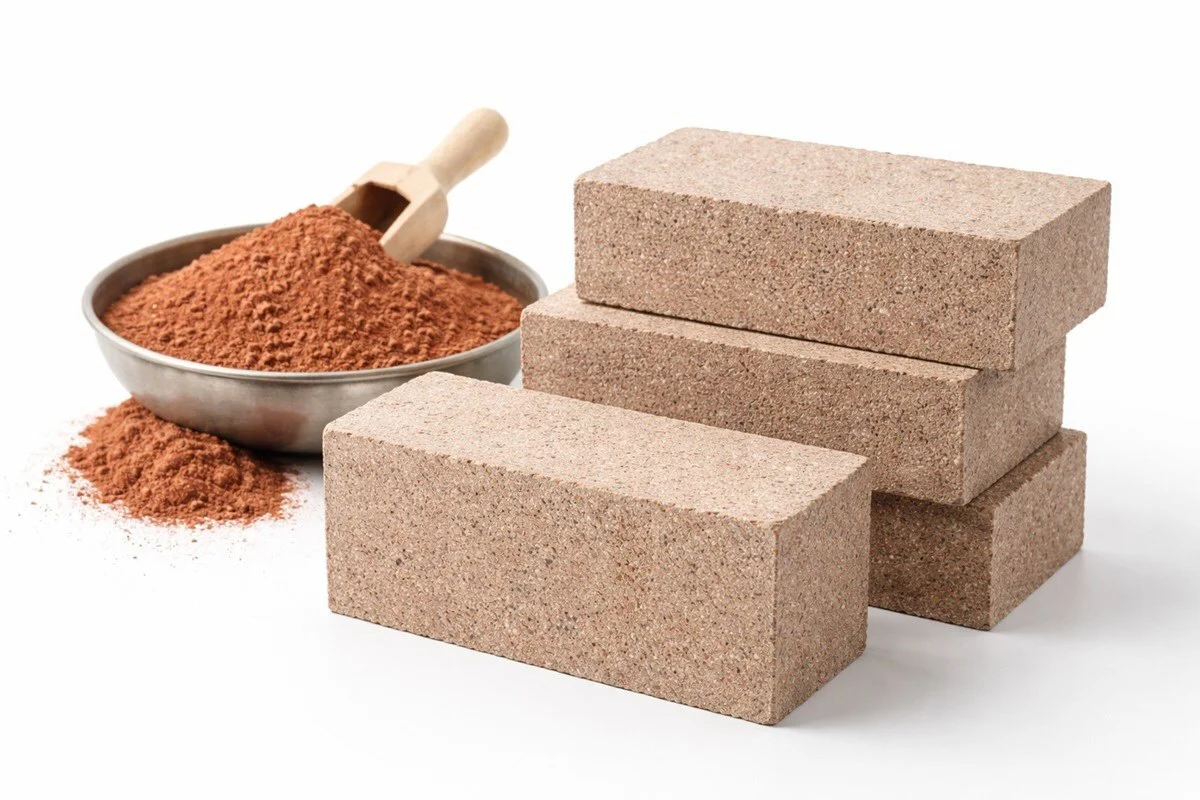
What was once treated as a stubborn by-product of mining may now find a second life in industry. Researchers at the CSIR-Institute of Minerals and Materials Technology have worked out a way to convert leftover bauxite residue into refractory bricks capable of withstanding very high temperatures.
Explore- Most accurate data to drive business decisions with Global ALuminium Industry Outlook 2026 across the value chain
Residue from the bauxite extraction has, over time, added to the dust pollution and significantly altered the chemistry of nearby water bodies, thus making them more acidic. However, managing this residual material is a significant concern, especially in areas where mining activity is concentrated.
The Bhubaneswar team has explored its potential as a raw material instead of treating it just as a residual waste. It is a heat-resistant product perfectly suited for heavy industrial use, including applications where materials can withstand extreme temperature conditions. The process reduces heavy reliance on freshly sourced inputs, while also addressing disposal challenges.
Director of the CSIR- IMMT, Dr. Ramanuj Narayan, said: “Today, IMMT and Utkal have collaborated on a new venture to produce refractory bricks from this mining waste. The bricks developed by a team of our scientists using bauxite industry waste can resist temperatures up to 1,400 degrees Celsius. They will offer many industrial applications. As Odisha is rapidly progressing towards setting up different industries, refractory bricks will play an important role in it.”
The development is now moving beyond the research stage. To facilitate practical use, the institute has entered into a technology transfer arrangement with Utkal Vanguard Engineering & Construction Pvt. Ltd.. The agreement, signed on March 17 at the institute’s campus, is expected to support scaled production and adoption in industrial settings.
The backdrop to this work is significant. Mining operations worldwide generate enormous volumes of residual material each year, making it one of the largest waste streams globally. In India, high levels of residual products are being produced in states such as Odisha, Jharkhand, Chhattisgarh, and Goa due to their mineral-rich landscapes.
From this perspective, the work at CSIR-IMMT shifts the conversation. Rather than focusing solely on containment and disposal, it points to a more practical alternative, turning an environmental burden into a usable industrial resource.
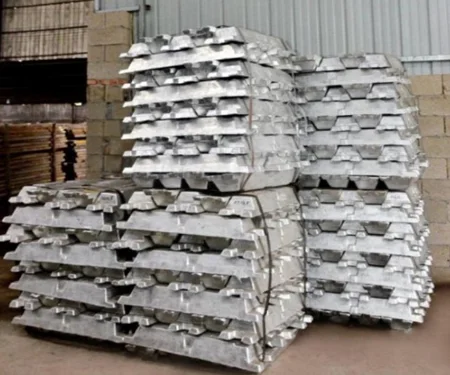
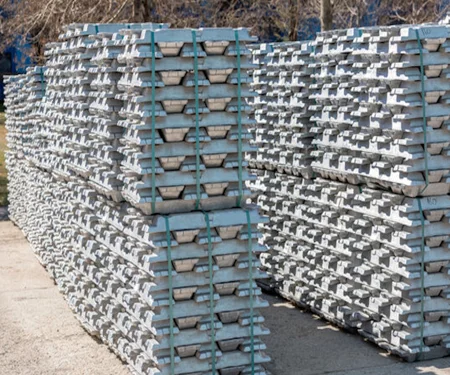
Image source: The image has been generated by AI for referential purposes only.
Don't miss out- Buyers are looking for your products on our B2B platform

South32 pauses Worsley Alumina operations following an incident at the refinery
Next articleChina Hongqiao Group down more than 12 per cent on weaker-than-expected 2025 earnings
Grow with
AL Circle