India gains over 1 million tonnes of Guinea bauxite as Middle East trade routes falter
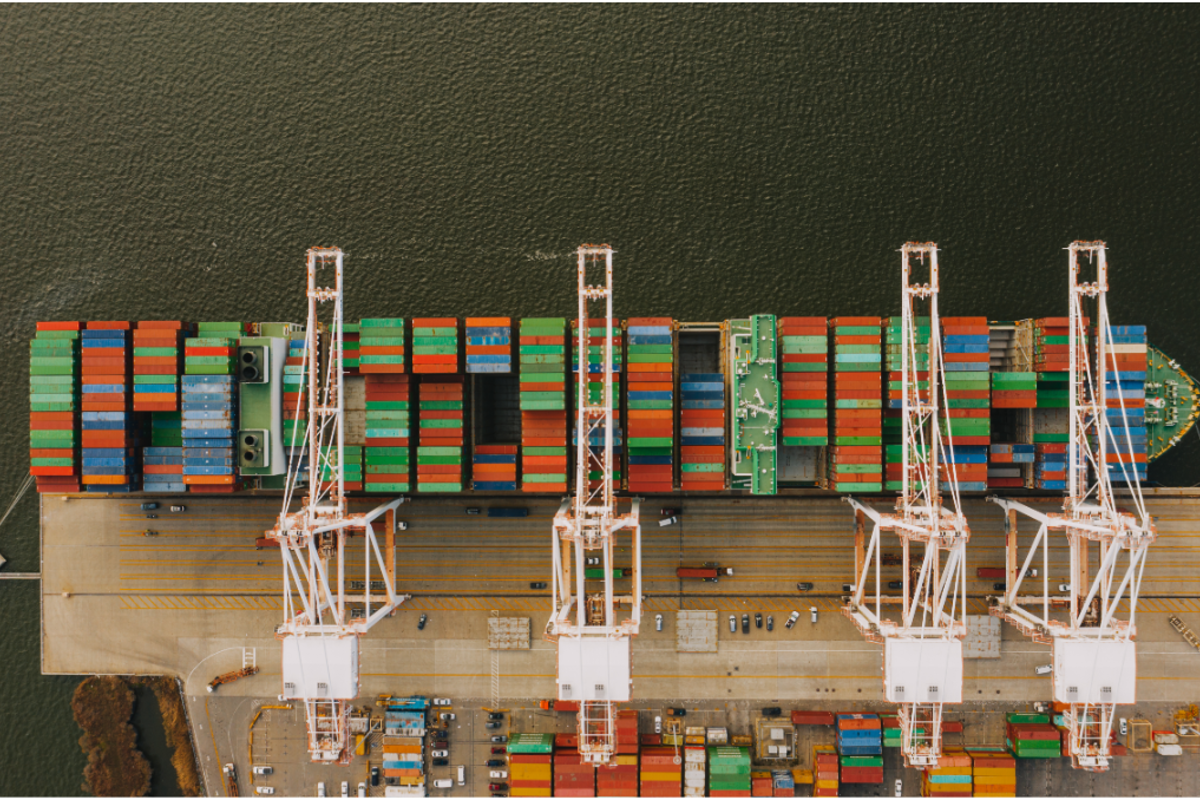
Trade disruption resulting from the Middle East conflict has led to the diversion of approximately 1.2 million tonnes of bauxite shipments from Guinea to India. Amid supply constraints and tightened trade, the bauxite supply originally bound for the United Arab Emirates (UAE) would offer a short-term boost to India’s alumina industry.
Explore- Most accurate data to drive business decisions with Global ALuminium Industry Outlook 2026 across the value chain
Trade disruption reshapes bauxite flows
The Middle East Gulf region, particularly the UAE, has emerged as a preferred destination for shipping bauxite due to its cost-efficient energy base for alumina refining. Originally destined for the UAE, nine vessels have been rerouted to Indian ports such as Visakhapatnam, Gangavaram and Kandla after Gulf-bound shipments were impacted by the regional tensions.
The cargoes departed Guinea for the UAE between February 2 and 28, as per maritime analytics firm Signal Ocean. After the trade realignment, the first vessel arrived at Visakhapatnam on March 12, with the remaining expected by early April. Given the usual transit time between Guinea and the Gulf, shipments could be redirected mid-route.
The buyers are yet to be disclosed, but the shift highlights a temporary disruption in the Arabian Gulf’s role as a major bauxite import hub, placing India in a position of advantage.
India absorbs supply amid domestic constraints
The diverted volumes are expected to provide short-term support to India’s alumina sector, improving raw material availability as well as aiding export competitiveness.
On the logistics front, ports such as Visakhapatnam have the infrastructure to handle bulk shipments, reinforced by mechanised systems and established linkages with major aluminium producers, as stated by M. Angamuthu, Chairperson of Visakhapatnam Port Authority.
“We have dedicated mechanised facilities and strong industry linkages with companies such as NALCO, Vedanta, Hindalco and Pioneer Aluminium. Recently, we handled a single shipment of nearly 2 lakh tonnes,” he mentioned.
According to industry estimates, 4-5 tonnes of bauxite yield around 2 tonnes of alumina. Despite concerns around excess supply, Luke Nickels, Senior Commodity Market Analyst at Signal Ocean, noted that Indian refiners are well-positioned to absorb the additional cargoes, either through processing or inventory build-up.
The development also points to India’s structural supply gap. Production remains limited despite the country’s considerable bauxite reserves, largely concentrated in Odisha. Key deposits in regions like Kalahandi and Rayagada are yet to be operational, indicating the operational gap between resource availability and refining demand.
The current diversion may reverse once geopolitical tensions ease. Nonetheless, it emphasises India’s growing role as a strengthening and flexible destination in the global bauxite market.
Don't miss out- Buyers are looking for your products on our B2B platform

Image for referential purposes only.
Vedanta Aluminium cuts 50% CO₂ at Kodingamali bauxite mines with EV loader shift
Next articleOperations restart at Metro Mining’s Bauxite Hills after Narelle impact
Grow with
AL Circle