Japanese aluminium buyers agree to $350/t Q2 premium amidst Middle East tension
For deliveries scheduled during the April-June quarter, Japanese aluminium buyers agreed to the payment of a USD 350 per tonne premium, which buyers will pay in addition to the current base price on the London Metal Exchange.
At the end of February, global aluminium producers had suggested a premium of USD 220 to 250 per tonne for the buyers in Japan for April-June quarter (Q2 2026). That was already 13 to 28 per cent higher than the premium of USD 195 per tonne agreed for the previous quarter.
A few days later in mid-March, Rio Tinto, offered the premium of USD 350 per tonne to Japanese buyers, which was 40 per cent higher than the previous offering of USD 250 per tonne. Compared with the current quarter, the offer rose by 79 per cent, owing to the concerns revolving around the Middle East conflict, which may create supply disruption.
At the same time, it also came into being that many global aluminium buyers, after proposing the premium price between USD 220 and 250, had withdrawn or allowed the offers to expire, keeping in mind the risks of shipment, which would be passing through the Strait of Hormuz as a result of the rising geopolitical crisis.
From unknown sources, it was secured that the decision to undertake a high aluminium premium is a result of stronger aluminium premiums in Europe and the US, alongside the hiked insurance and freight costs.
Don’t miss out- Buyers are looking for your products on our B2B platform
Geopolitics drives a spike in the Asia premium offer
In the second week of March, the commodities markets experienced volatility due to mixed messages by the Trump administration regarding the duration of the conflict with Tehran. Trump mentioned that the situation in Iran may come to an end soon; however, no clear timeline has been shared as of yet. On the other hand, the London Metal Exchange, aluminium prices surged, resulting in increased premiums over the Shanghai Futures Exchange to reach the highest price since April 2022. This could lead to a boost in exports from China and alleviate some supply issues.
Check out the historical and daily aluminium prices seamlessly here
Chinese exports have held strong this year, mainly because of the rising demand from emerging industries like artificial intelligence and solar panels. Zhang Meng, General Manager at Shandong Aize Business Information Consulting Co., pointed out that shipments in March could see an increase by nearly 5 per cent compared to last year.
In the meantime, there’s been a notable uptick in orders to pull aluminium from LME warehouses, especially driven by demand in Asia. Market sources indicate that Mercuria Energy Group Ltd. is the main player behind requests to withdraw nearly 100 thousand tonnes of aluminium from LME warehouses in Malaysia. As a result, aluminium prices climbed by 1.5 per cent, settling at USD 3,457 per tonne on the LME.
The market implication
The agreement for the higher premiums indicates the ongoing conversations between aluminium suppliers and Japanese industrial buyers. The USD 350 per tonne premium is going to affect the cost structures for Japanese manufacturers who rely on aluminium as a key raw material. This agreement provides pricing stability for both buyers and suppliers for the upcoming quarter, allowing for better planning and cost management throughout the aluminium supply chain.
Must read: Key industry individuals share their thoughts on the trending topics
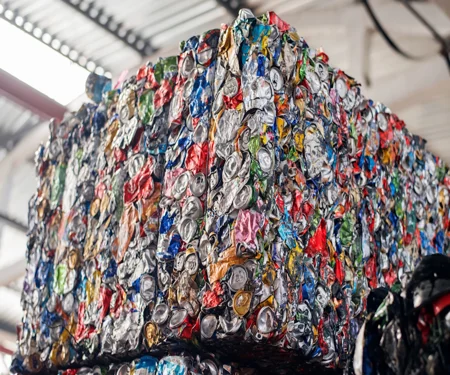
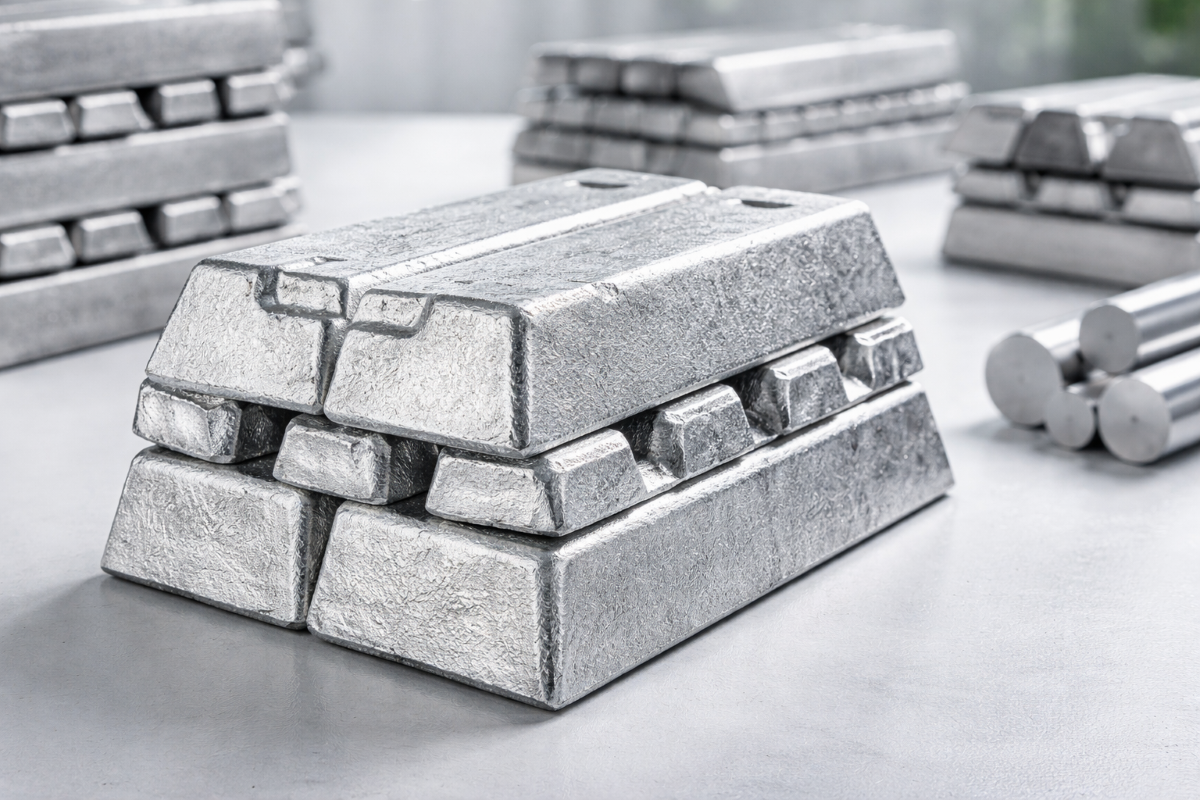
Note: The image used in this article is generated with an AI tool and does not depict any real-time moment
_0_0.png)
LME aluminium cash offer slips to $3,426/t while future contracts continue to rise
Next articleEGA reroutes aluminium trade through Oman amid Hormuz disruption
Grow with
AL Circle