Rio Tinto raises aluminium shipment premiums to $350/t for Japan

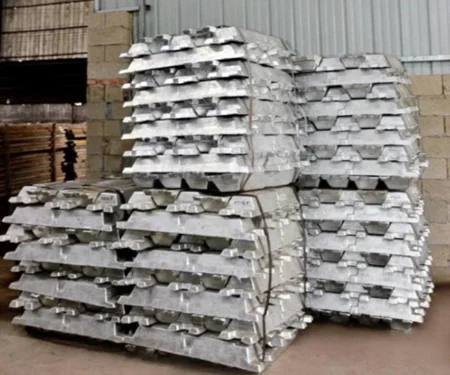
Rio Tinto increased its aluminium premium offer to Japanese buyers to USD 350 per tonne for primary aluminium shipments for April to June (second quarter of the calendar year). This is 79 per cent higher than the current quarter. The increase reflects concerns about the conflict in the Middle East, which could disrupt supply.
The new offer is 40 per cent higher than Rio Tinto’s earlier proposal of USD 250 per tonne. If accepted, it would be the highest since the April to June quarter of 2015, when premiums were USD 380 per tonne.
For the global aluminium value-chain 2026 outlook, book our exclusive report “Global ALuminium Industry Outlook 2026"
By late February, aluminium producers offered Japanese buyers premiums of USD 220 to 250 per tonne for April-June shipments. This represented an increase of 13 to 28 per cent over the current quarter, reflecting higher international premiums. However, some producers later withdrew or allowed these offers to expire due to the risks of shipments passing through the Strait of Hormuz, due to the Middle East conflict.
The conflict in the Middle East, accounting for about 9 per cent of global aluminium supply, disrupted the market and limited shipments through the Strait of Hormuz. Qatalum began shutting down production, and Aluminium Bahrain declared force majeure on shipments.
According to a source involved in the negotiations, the higher offer is linked to stronger aluminium premiums in Europe and the United States, as well as increased freight and insurance costs.
In 2025, Japan imported about 20 per cent of its primary aluminium ingots from the Middle East. Aluminium premiums in South Korea have also increased significantly since the end of February. Japan’s quarterly aluminium pricing negotiations began last month and are expected to continue until late March.
Don't miss out- Buyers are looking for your products on our B2B platform
Japan is a major importer of aluminium in Asia. The quarterly premiums that Japanese buyers agree to pay over the London Metal Exchange cash aluminium price serve as a regional benchmark for aluminium pricing.

Note: The image used in this article is generated with an AI tool and does not depict any real-time moment
Middle East supply shock prompts Mercuria to cancel warrants for nearly 100,000 tonnes of LME aluminium
Next articleHydro approves: Qatalum to maintain 60% aluminium production amid reduced gas supply
Grow with
AL Circle