The European aluminium premium, the extra cost buyers pay above London Metal Exchange prices to obtain physical metal, has risen in early 2026, indicating higher costs and tighter supply in the region. It was at USD 335 per tonne on January 2, 2026 and stayed within USD 340 per tonne to USD 360.63 per tonne through February.
The change became evident in March. Premiums moved up to USD 369.5 per tonne on March 2, rose to USD 427.5 per tonne by March 4, and continued increasing to USD 472.22 per tonne on March 25.
Over this period, average aluminium costs in Europe rose by roughly 17–18 per cent compared to late 2025.
The timing lines up with rising tensions in the Middle East. The Persian Gulf, producing about 6.8 million tonnes of primary aluminium each year, is a key supplier to Europe and accounts for around 14 per cent of EU imports. As uncertainty around supply and energy markets increased, aluminium prices also moved up by about 7 per cent.
The production curtailments in the Gulf and uncertainty around future output added pressure. Shipping disruptions through the Strait of Hormuz pushed up freight and insurance costs, making it harder and more expensive to move metal into Europe.
Before the Middle East crisis, the cost of transporting metal through the Strait of Hormuz was around USD 0–5 per tonne under standard freight rates as per various industry sources.
Following the outbreak of conflict in late February 2026, shipping through the Strait of Hormuz has faced severe disruptions, with Iranian authorities reportedly charging around USD 2 million per vessel for safe passage through a controlled corridor. This has contributed to the rise in aluminium prices.
Energy costs added to the strain. Gas prices in Europe rose from around EUR 30 per MWh to about EUR 46 per MWh between late February and early March, with spikes above EUR 60 per MWh. Since gas influences electricity pricing, wholesale power prices increased by 20–30 per cent to EUR 80-EUR 120 per MWh, raising costs for aluminium production.
Explore- Most accurate data to drive business decisions with Global ALuminium Industry Outlook 2026 across the value chain
How much more are buyers paying?
The increase in premiums shows up clearly in delivered prices. On January 2, 2026, with an LME price of USD 2,986 per tonne and a premium of USD 335, buyers in Europe paid USD 3,321 per tonne. By March 13, the LME price reached USD 3,520 per tonne and the premium rose to USD 463.06 per tonne, taking the total to USD 3,983.06 per tonne.
On March 25, even though the LME price eased to USD 3,294.5 per tonne, the higher premium of USD 472.22 kept the delivered price at USD 3,766.72 per tonne.
Who is most exposed to these rising costs?
Import-dependent countries like Europe are feeling the impact. Germany imported 1.9 million tonnes of primary aluminium in 2025, Netherlands 2.7 million tonnes, and Italy around 1.5 million tonnes. EU imported aluminium worth USD 18.5 billion and about 6 million tonnes in 2025.
That reliance is now being tested. From a pre-war level of roughly 5.3–6 million tonnes, Europe has effectively lost access to around 1–1.2 million tonnes linked to Gulf exports. As a result, Q1 imports dropped by around 15–20 per cent, alongside force majeure events, including at Aluminium Bahrain, and shortages of raw materials. Imports have therefore declined sharply in 2026.
In the absence of steady inflows from GCC countries, Europe has increasingly turned to other key suppliers such as Norway, China, and Iceland. In 2024, Norway was the largest supplier of aluminium and related articles to the EU, with imports valued at EUR 4.4 billion, accounting for 15 per cent of total imports. China followed as the second-largest supplier, contributing EUR 3.9 billion or 13.1 per cent of total imports, while Iceland supplied EUR 2.1 billion worth, representing 7.3 per cent.
These shifts highlight a broader structural dependence, with the Europe’s primary aluminium supply-particularly unwrought and alloyed metal-now largely supported by Norway, China, and Iceland.
Was this already building-and what role does policy play?
The pressure did not start this year. By September 26, 2025, premiums were at USD 240.83 per tonne with LME prices at USD 2,642.5 per tonne. By year-end, premiums reached USD 330 per tonne alongside an LME price of USD 2,968 per tonne.
In November, premiums were USD 327.66 per tonne with prices at USD 2,903 per tonne, supported by supply disruptions, carbon-related cost preparation, and freight pressures.
A key disruption came from Iceland. The Grundartangi smelter, operated by Century Aluminum with a capacity of 320,000 tonnes per year, suffered an electrical failure in late October that shut down one potline. Output dropped by about two-thirds, removing roughly 213,000 tonnes annually. Repairs are expected to take 11–12 months, extending the impact into 2026.
This mattered because Iceland had been Europe’s second-largest supplier in the first eight months of 2025, delivering 241,412 tonnes. Mozambique, the largest supplier with 337,670 tonnes, became even more important, but longer shipping distances and higher logistics costs added further pressure on premiums.
Policy is now adding another layer. The EU’s Carbon Border Adjustment Mechanism will introduce payments from 2027, but its effect is already visible. Carbon costs are being factored into premiums across Europe, including Rotterdam and regional benchmarks in Italy and Spain.
Under CBAM, importers will need to buy certificates based on embedded emissions, linked to EU ETS prices of around EUR 90–100 per tonne of CO₂. For higher-carbon aluminium, this could add USD 100-150 per tonne, increasing prices by 10–20 per tonne.
With Europe relying on imports for nearly two-thirds of its aluminium, these cost pressures are likely to spread across the market, including scrap-based products. At the same time, the removal of free carbon allowances raises costs for domestic producers, while Norwegian and Icelandic suppliers remain outside CBAM, giving them a structural cost advantage.
Don't miss out- Buyers are looking for your products on our B2B platform
Trading aluminium across borders? Find out the exact cost you need to bear for the embedded carbon in the product by using this CBAM calculator.
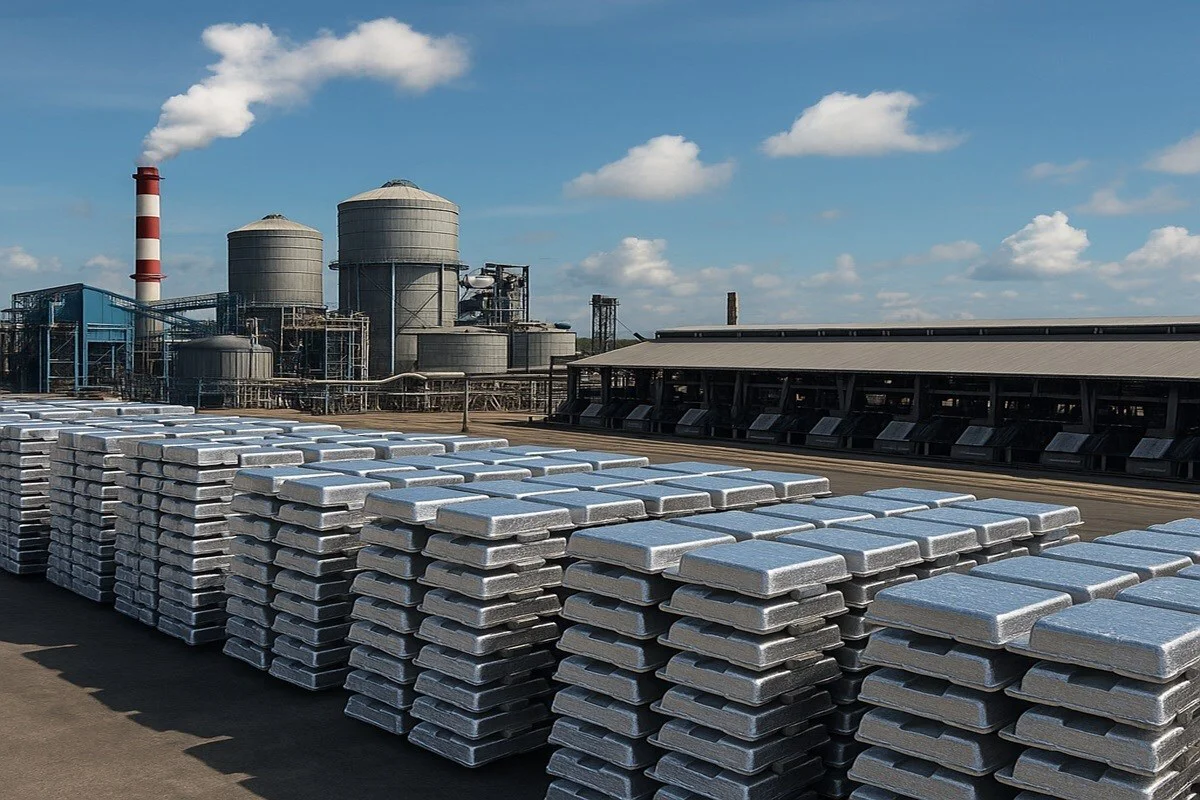
Image used for representational purpose













_md.webp)
_md.webp)
_md.webp)







