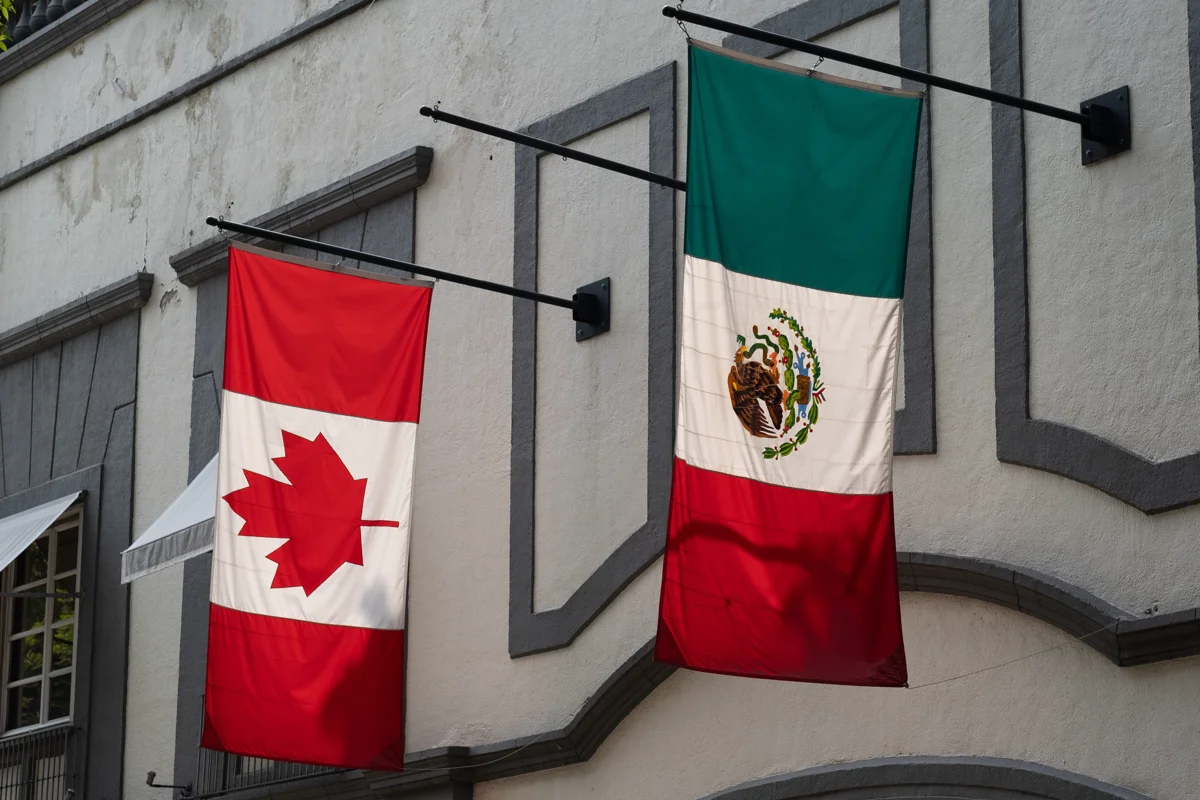
In a period defined by high-stakes trade battles and international power plays, few episodes have captured as much attention as the Trump administration’s sudden decision to postpone tariffs on Canada and Mexico.
With a punchy mix of economic strategy and geopolitical manoeuvring, this move has been dissected from every angle—from trade negotiations to resource security and even to controversial diplomatic meetings with Ukraine.
In a clear-cut policy shift, the Trump administration announced that the planned tariffs on key imports from Canada and Mexico, tariffs initially slated to hit the markets with full force, would be delayed. Official statements at the time emphasised that this postponement was meant to provide room for further trade negotiations and to secure better terms for US industries.
Beyond the immediate trade concerns, an undercurrent has sparked even more heated debate: the role of critical minerals. US officials have long warned that ensuring a reliable supply of key resources, such as lithium, cobalt, nickel, and rare earth elements, is vital for national security and high-tech manufacturing.
With negotiations underway with several allied partners, including Ukraine, some analysts argue that the tariff delay provided a crucial breathing space for finalising a critical minerals agreement. Such an accord would help safeguard strategic industries against supply disruptions and geopolitical vulnerabilities. While the White House maintained that the postponement was a routine recalibration of trade policy, the synchrony between the delay and the push for resource security has not gone unnoticed.
Adding another layer to the unfolding events was a high-profile meeting between Ukrainian President Volodymyr Zelenskyy and US President Donald Trump. In what some have described as a flashpoint of diplomatic tension, the meeting — centred on economic cooperation and security concerns, unwittingly became entangled in the broader narrative of Trump’s trade strategy.
Officials confirmed that the negotiations between Ukrainian and US diplomats are over topics ranging from energy security to mutual economic interests. Yet the timing raised questions. Critics have pointed out that the diplomatic engagement coincides closely with the decision to delay tariffs on North American allies, suggesting a possible attempt to simultaneously recalibrate multiple facets of US foreign policy.
Bipartisan voices in Congress stressed that while the meeting was scheduled by all accounts as a standard diplomatic affair, its proximity to the tariff postponement fed into a broader perception of calculated manoeuvring on multiple fronts.
There’s no escaping the fact that these decisions were made in a climate where trade, resource security, and diplomatic relations are inextricably linked. The tariff postponement was not just about avoiding immediate economic friction; it played into a larger strategic narrative. The US government’s focus on critical minerals underscores a commitment to fortifying supply chains essential for national defence and technological leadership.
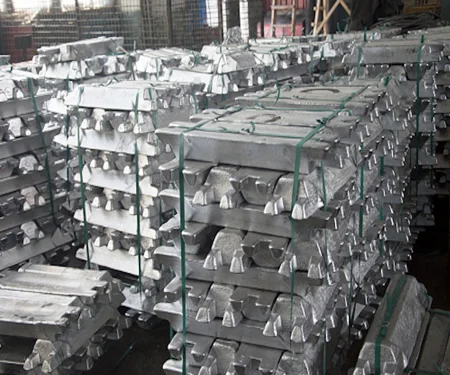
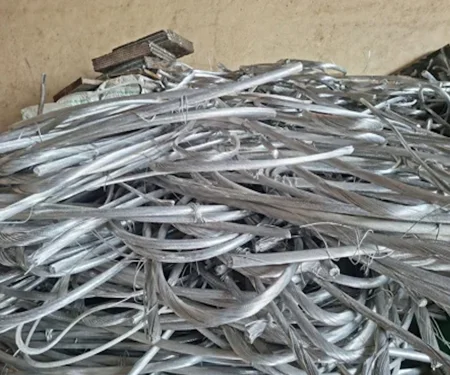
Importing aluminium from Canada is efficient for the US for two key reasons: infrastructure and energy. With its world-class infrastructure and abundant clean energy supplies, Canada provides a reliable, low-carbon source of aluminium to the US.
In 2024, the US imported 2.7 million tons of aluminium from Canada. If the US were to produce all of this aluminium domestically, the energy requirements would soar to over 40 million megawatt-hours of electricity. This amount is nearly four and a half times the annual electricity production of the Hoover Dam, which could power 460 data centres or the entire state of Nevada for a year.
Ending this relationship would result in substantial financial and energy costs and represent a significant setback in sustainability efforts, stressing the urgency of maintaining this partnership.
As for Mexico, Trump argues it was a relationship-strengthening action. “After speaking with President Claudia Sheinbaum of Mexico, I have agreed that Mexico will not be required to pay Tariffs on anything that falls under the USMCA agreement,” Trump has disclosed through a Truth Social post. “The Agreement is until April 2, 2025. I did this as an accommodation and out of respect for President Sheinbaum,” he further added.
However, industry insiders noted that stable trade relations with these neighbouring giants were essential for maintaining competitive supply chains in a rapidly evolving global marketplace.
Simultaneously, the contentious Ukraine-US meeting—while routine in its official capacity added fuel to an already blazing debate about whether these policy moves were part of a broader geopolitical strategy.
Trump’s decision to delay tariffs on Canada and Mexico, set against the backdrop of high-level Ukraine-US talks and the race for critical minerals, offers a striking example of how trade policy can serve as a fulcrum for broader strategic objectives.
While official explanations highlighted routine negotiations and recalibrated trade tactics, the convergence of these events continues to fuel debate among policymakers, industry experts, and critics alike. In the intricate world of international trade and diplomacy, every decision is a calculated risk, and in this case, one that continues to reverberate across multiple arenas of US policy.












_md.webp)
_md.webp)
_md.webp)