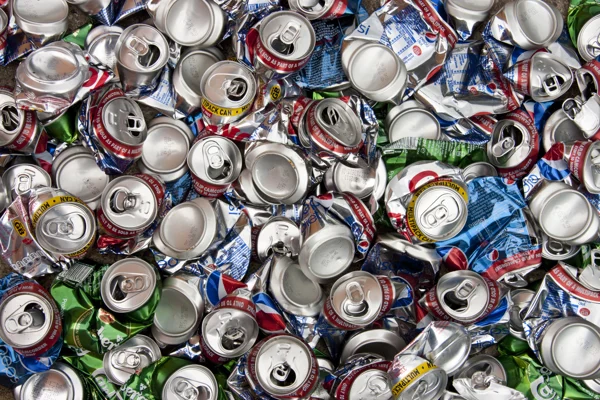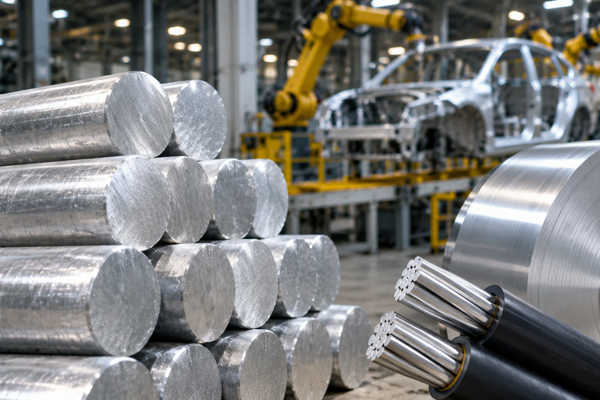
India's aluminium market is expected to record stronger demand in the second quarter of FY2026-27, with consumption estimated to reach 1.735 million tonnes, a 6 per cent increase from the corresponding period last year, according to Hindalco Industries Ltd. Growth is being driven primarily by demand from the automotive and electrical sectors, highlighting the expanding role of aluminium across key industrial applications. Hindalco's Q2 FY2027 presentation estimates Indian aluminium demand at 1.735 million tonnes, compared with 1.643 million tonnes in Q2 FY2026. The latest estimate also represents a recovery from the 1.427 million tonnes recorded in Q1 FY2027. Domestic aluminium supply and imports increase Domestic primary aluminium supply is estimated at 735,000 tonnes in Q2 FY2027,...
Sampat Aluminium Limited reported a net profit of INR 47.4 million (USD 502,121) for the half year ended September 30, 2026, supported by a non-recurring gain of INR 57.1 million (USD 604,875) from the sale of old plant and machinery. The company's revenue from operations increased to INR 1,250.9 million (USD 13.25 million) from INR 811.4 million (USD 8.60 million) in the corresponding period last year. However, its profit before exceptional items and tax declined significantly, highlighting the impact of the machinery sale on reported earnings. The company's profit before exceptional items and tax stood at INR 5.887 million (USD 62,363), compared with INR 62.5 million (USD 662,079) in the first half of the previous financial year. After including the exceptional gain, profit before tax...
Grow with
AL Circle
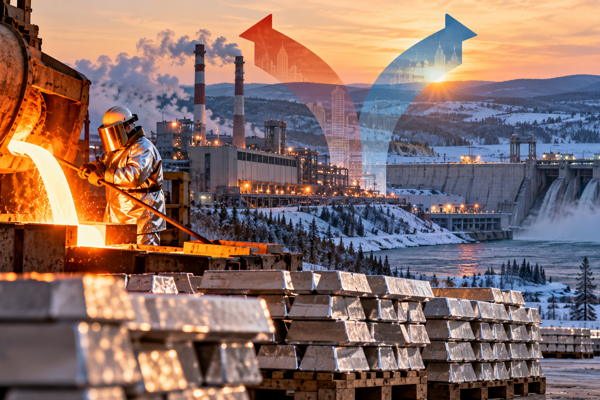
Russia’s aluminium market could face a new competitive dynamic after Sual Partners signed a production-sharing agreement with state-controlled hydropower group RusHydro, potentially giving Sual access to up to 150,000 tonnes of aluminium from the Boguchany smelter in Siberia. The arrangement could challenge Rusal’s near 20-year dominance of Russia’s primary aluminium market, allowing Sual to target both domestic and overseas customers with the metal. The agreement, announced on October 15 during Russian Energy Week, provides for a production-sharing mechanism at the Boguchansky aluminium plant, which is co-owned by RusHydro. The arrangement could give Sual access to as much as a 50 per cent share of the smelter’s output, putting it in a position to compete directly with Rusal, its...

The Confederation of British Metalforming (CBM) has called for closer UK-EU relations, warning that proposed European industrial policies could affect British manufacturers supplying the aluminium, steel and automotive industries. Stephen Morley, CBM President and Chair of the Euroforge Automotive Sector, made the call at the organisation's autumn meeting in Munich. He said stronger cooperation between the UK and EU was important for protecting manufacturing jobs, investment and cross-border supply chains. He stated, “ We need to protect British industry, but we also need to recognise that the UK and European automotive sectors are deeply connected. What damages one part of the supply chain will inevitably affect the other. ” Join the fourth edition of webinar " Hedging for recyclers -...
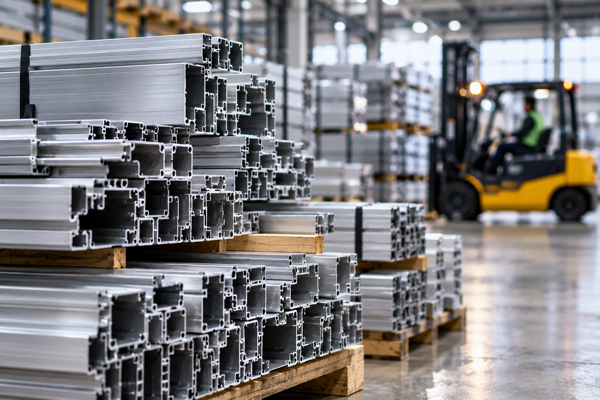
Profilgruppen reported a 14 per cent increase in third-quarter revenue to SEK 567.6 million (USD57.12 million), but the rise was driven mainly by higher metal prices rather than stronger demand. The Swedish aluminium profile producer delivered 6,850 metric tonnes of aluminium profiles during Q3 2026, down 6.8 per cent from 7,350 tonnes in the same period last year. Despite the higher revenue, operating profit under International Financial Reporting Standards (IFRS) edged down 1.7 per cent to SEK 28.6 million (USD 2.88 million) from SEK 29.1 million (USD 2.93 million) a year earlier. Under the company’s alternative accounting method, RAN, operating profit fell 37.5 per cent to SEK 3 million (USD 301,970), compared with SEK 4.8 million (USD 483,153) in Q3 2025. Net income under IFRS...
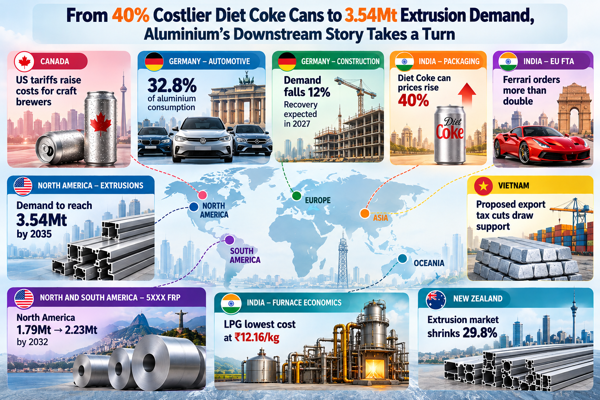
Aluminium’s downstream and end-user world is having one of those fortnights where a beer can, a luxury sports car, a German construction site and an Indian furnace all end up in the same conversation. The metal may begin its life far upstream, but its real fuss is playing out in cans, cars, extrusions, buildings and factories, where tariffs, trade policy, energy costs and demand cycles decide who wins. This fortnight highlights that aluminium demand is moving towards electric vehicles, lightweight transport and long-life infrastructure, even as packaging and construction feel the pinch of cost and weak activity. Meanwhile, producers from Vietnam to New Zealand are arguing over the oldest question in the business of how much protection, taxation or openness does a downstream industry need...
Malaysia has opened a limited route for raw rare earths exports while pursuing a broader ambition to develop domestic processing capabilities, highlighting the challenge of attracting international investment without giving up opportunities to create more value locally. The country has approved its first application to export unprocessed rare earths under a revised regulatory framework, with the shipment authorised for research and development purposes. Malaysia’s Department of Mineral and Geoscience granted the approval, according to the Ministry of Natural Resources and Environmental Sustainability, which confirmed the decision in response to a Bloomberg query. The ministry did not identify the applicant or disclose further details. The approval follows new guidelines issued earlier in...

Hydro reported higher adjusted earnings in the third quarter of 2026, supported by strong aluminium prices, record liquid metal production from its Norwegian smelters and improved performance in Recycling and Extrusions. Adjusted EBITDA rose to NOK 9 billion (USD 965 million) from NOK 8.92 billion (USD 957 million) in the second quarter, an increase of around 0.9 per cent quarter-on-quarter. Adjusted earnings per share increased to NOK 2.3 (USD 0.25) from NOK 1.0 (USD 0.11) in the third quarter of 2025, a rise of 130 per cent year on year. The company generated free cash flow of NOK 1.4 billion (USD 150 million) during the quarter. Strong adjusted EBITDA was partly offset by higher net operating capital, mainly due to increased metal prices, working capital requirements and prepayments....
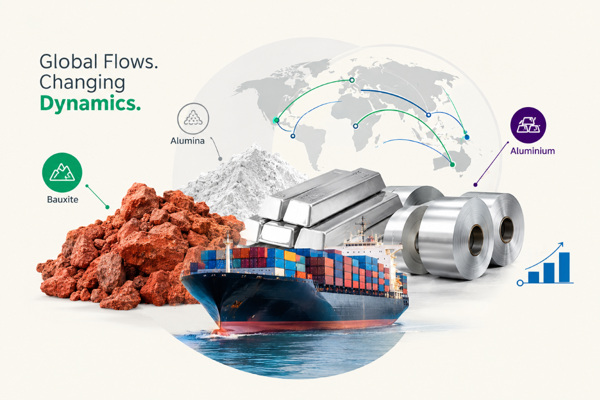
The global aluminium supply chain is facing a series of changes that extend from bauxite mines and alumina refineries to smelters, regional premiums and finished-metal trade. In 2026, the market’s direction is being shaped not only by production volumes but also by freight costs, export restrictions, shifting Chinese demand and tariffs. Developments across Guinea, Australia, China, Europe and North America point to a market where access to supply is increasingly as important as the availability of raw materials. Bauxite supply: Guinea’s cap meets a well-stocked China, but is it stable? Guinea remains central to the seaborne bauxite market, with its shipment connections to China demonstrating the importance of reliable logistics. A new sea-rail route has enabled a Guinea bauxite shipment...
The United States needs a stronger domestic primary aluminium industry to support national security, military equipment and critical infrastructure, according to an economic analysis by Adam Hersh, an economist and research fellow at the University of Massachusetts. Hersh presented the findings at a press event in Washington, D.C. He highlighted the need for domestic production of high-purity aluminium used in military applications. He said the US currently has no operating smelters capable of producing this specialised aluminium, leaving the country reliant on overseas supplies and exposed to possible supply disruptions. The report points to a major change in US aluminium production over the past 25 years. In 2000, the country accounted for around 15 per cent of global aluminium...
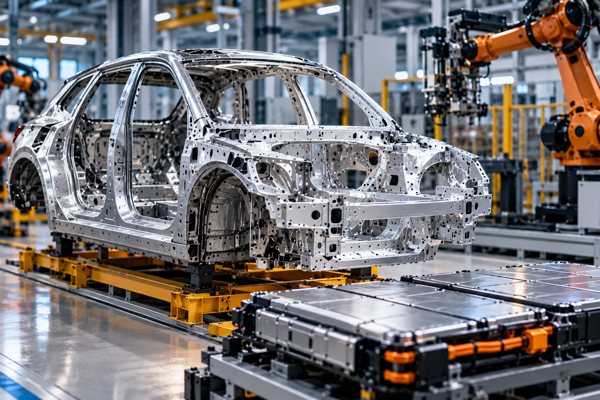
Aluminium-intensive vehicle design could reduce electric vehicle (EV) weight, battery requirements and manufacturing complexity, according to a joint theoretical study by Stellantis and Alumobility. Using Stellantis’ STLA Medium platform as its reference, the study found that an optimised aluminium-based architecture could cut total vehicle mass by around 20 per cent and create the potential to reduce battery capacity by 15 per cent while maintaining equivalent range. Presented at EuroCarBody 2026 in Bad Nauheim, Germany, on October 22, the study examined how aluminium could be incorporated across the vehicle structure rather than simply replacing steel components on a like-for-like basis. The concept reduced body-in-white mass - the vehicle’s structural body before components such as...
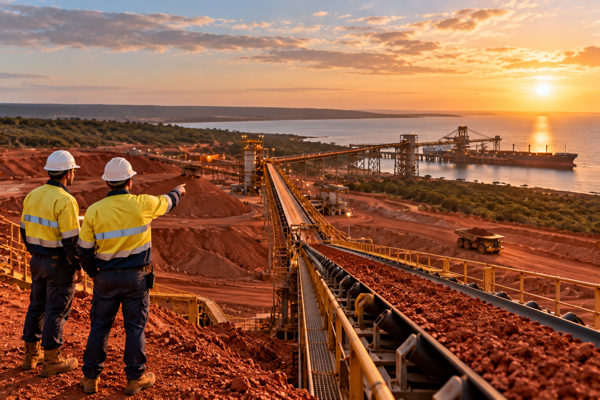
Rio Tinto’s planned USD 1.9 billion investment in the Kangwinan bauxite project is expected to support more than 1,300 construction jobs in Queensland, while helping secure the long-term future of its Weipa mining operations as existing sources of production approach the end of their lives. Located on Western Cape York Peninsula, Kangwinan will add 20 million tonnes of annual bauxite production capacity, with first output targeted for 2029 and full production expected by 2032. The project will raise Weipa Operations’ annual capacity to around 44 million tonnes from current production of approximately 38 million tonnes. Construction is scheduled to ramp up in 2027. Beyond the immediate employment boost, the investment is expected to help sustain Rio Tinto’s residentially based workforce of...
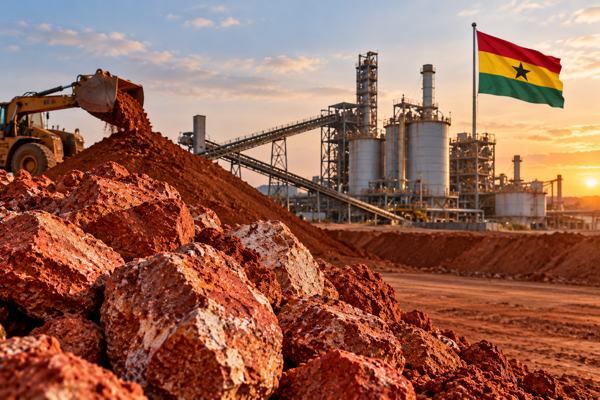
Ghana is seeking investors to establish an alumina refinery, aiming to close a gap in its bauxite-to-aluminium production chain as the country prepares to phase out raw mineral ore exports by 2030. President John Dramani Mahama has identified the absence of domestic alumina refining as a key obstacle to retaining more value from the country’s mineral resources. Speaking during a panel discussion at the 2026 Financial Times Africa Summit on October 21, Mahama said Ghana could no longer rely on exporting raw materials while importing finished products. The government wants more processing to take place locally, creating jobs and expanding industrial activity. “We cannot continue forever to be the exporter of raw materials to the rest of the world and consumers of finished products,” Mahama...
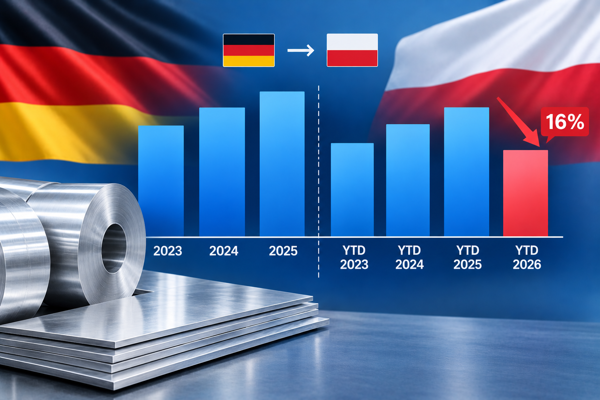
Germany’s aluminium flat-rolled product (FRP) exports to Poland fell 16.3 per cent year on year in January–July 2026, reaching 86,723 tonnes, compared with 103,658 tonnes in the same period of 2025. The volume was also 2.8 per cent lower than the 89,181 tonnes recorded in January–July 2024. However, exports were 2 per cent higher than the 85,018 tonnes shipped during the first seven months of 2023. The decline follows an increase in shipments during the previous two years. Exports rose 16.2 per cent between January–July 2024 and the same period in 2025, while the 2024 volume was 5 per cent higher than in 2023. To know the global production, demand and consumption forecasts of aluminium extrusions, explore our report " The World of Aluminium Extrusions to 2035 " Aluminium FRP exports rose...

Aughinish Alumina, the Rusal-owned refinery in County Limerick and one of Ireland’s major industrial employers, remains outside the European Commission’s draft 22nd sanctions package against Russia, although pressure to restrict its alumina exports continues. However, the position could change as the European Commission consults EU member states on the proposed measures. Confidential discussions involving Commission officials and senior diplomats from all 27 member states are expected to take place over the coming weeks to assess support for the proposals and consider possible amendments. Alumina export restrictions remain under consideration The debate centres on Aughinish Alumina’s shipments to Russia, where the raw material is processed into aluminium at smelters owned by Rusal....
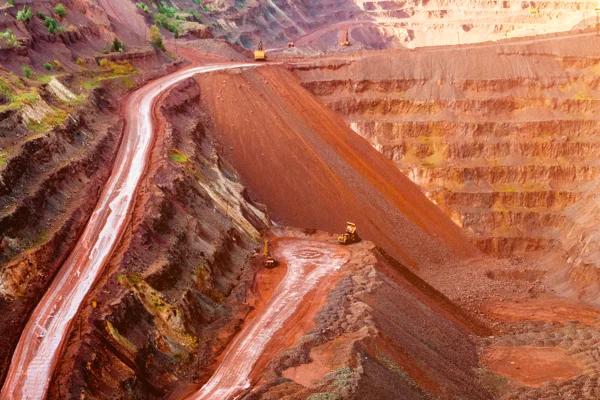
International Responsible Business Conduct (IRBC) has completed a project examining aluminium and bauxite supply chains to improve transparency and traceability in materials supporting the renewable energy transition. The project brought together wind energy company Siemens Gamesa, Dutch cable manufacturer TKF, Digital Product Passport (DPP) technology provider Minespider, and project partner Responsible Trade. The initiative mapped selected upstream aluminium and bauxite supply chains and tested secure DPPs to organise and present traceability and sustainability information across multiple supplier tiers. Explore the production, demand and consumption forecasts of bauxite and alumina in our report: " Global Bauxite & Alumina Market Forecast to 2036: Supply–Demand, Trade Flows & Price...
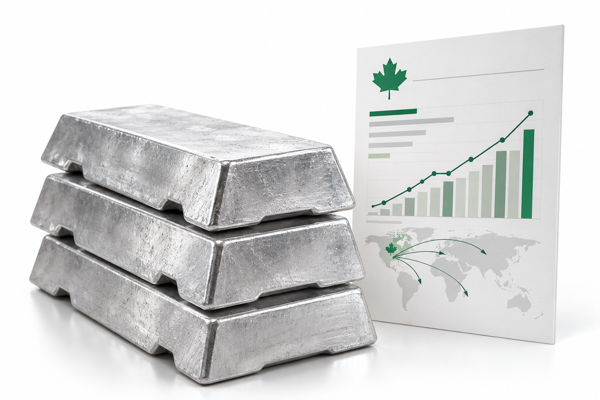
The Aluminum Association of Canada (AAC) welcomes the integration of country of smelt and cast reporting into Canada’s Aluminum Import Monitoring Program (AIM), effective October 1, 2026. This milestone strengthens transparency across aluminium supply chains and equips authorities with better information to monitor trade flows and identify potential circumvention. The new requirements build on Canada’s progressive development of its aluminium import monitoring framework: • September 1, 2019: Canada launched AIM under General Import Permit No. 83, following the Canada–US joint statement on steel and aluminium trade. • Summer 2024: Global Affairs Canada (GAC) consulted stakeholders on collecting and publishing country of smelt and cast information. • July 31, 2025: Under a separate trade...
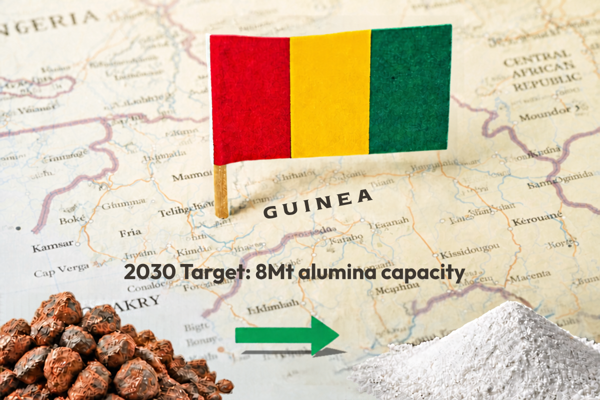
After introducing its annual bauxite export cap at 150 million tonnes in June 2026 , Guinea is now accelerating its alumina refining ambitions, with three refineries under construction and a target of five operating by 2030. However, the country’s electricity generation of around 1,000 MW falls well short of the estimated 5,000–10,000 MW needed to support industrialisation, putting energy infrastructure at the centre of its bauxite-to-alumina strategy. Daouda Diakite, Senior Adviser to Guinea’s Minister of Mines and Geology, Bouna Sylla, outlined the plans at African Mining Week in Cape Town. The government aims to establish annual alumina production capacity of approximately 7 million to 8 million tonnes, with aluminium smelters envisioned as a subsequent step. To know the future market...
Futures: SHFE aluminium closed at RMB 23,145 per tonne, edging down 0.19 per cent. Although prices held above MA5 (23,077) and MA10 (23,044), they remained capped by MA30 (23,760) and MA60 (23,767), with the overall market in a consolidation phase following the sharp decline. The MACD indicator's dual lines (DIF=-261.81, DEA=-237.16) operated below the zero axis, with the green bar expanding to -49.29, failing to extend the previous day's bottom divergence repair, indicating fading rebound momentum. Trading volume shrank to 54,800 lots, with market activity turning cautious. The suggested core trading range for SHFE aluminium is 22,700-23,500. LME aluminium closed at USD 3,008 per tonne, edging up 0.07 per cent. Prices barely held above MA5 (3,002.4) but remained pressured by MA10...
LME aluminium cash prices edged higher on October 22, while three-month and December 2027 contracts moved lower. The Asian Reference Price also declined, whereas alumina Platts prices posted a stronger gain. Exchange stocks recorded small changes, with live warrants remaining stable. On October 22, the cash bid increased 0.08 per cent to USD 3,032.50 per tonne from USD 3,030 per tonne . The cash offer rose 0.07 per cent to USD 3,033 per tonne, which was USD 3,031 per tonne previously. Three-month aluminium prices weakened, with the bid falling 0.55 per cent to USD 3,007.50 per tonne from USD 3,024 per tonne . The offer decreased 0.54 per cent to USD 3,008 per tonne from USD 3,024.50 per tonne. Explore the production, demand and consumption forecasts of bauxite and alumina in our report: "...