Aughinish Alumina dodges proposed EU sanctions as 22nd Russia package takes shape

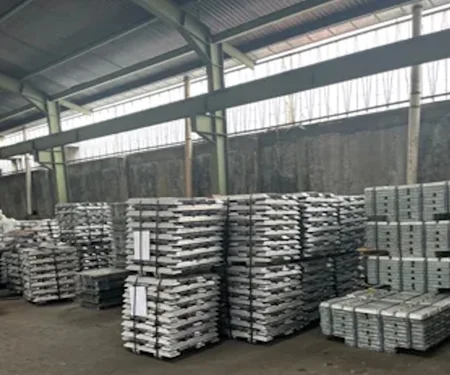
Stock image for referential purposes only
Aughinish Alumina, the Rusal-owned refinery in County Limerick and one of Ireland’s major industrial employers, remains outside the European Commission’s draft 22nd sanctions package against Russia, although pressure to restrict its alumina exports continues.
However, the position could change as the European Commission consults EU member states on the proposed measures. Confidential discussions involving Commission officials and senior diplomats from all 27 member states are expected to take place over the coming weeks to assess support for the proposals and consider possible amendments.
Alumina export restrictions remain under consideration
The debate centres on Aughinish Alumina’s shipments to Russia, where the raw material is processed into aluminium at smelters owned by Rusal. Investigative reporting has traced material from the Irish refinery to Russian smelters that supply aluminium to a Moscow-based trader linked to manufacturers associated with Russia’s defence industry.
Estonia’s foreign ministry has indicated that it intends to push for alumina to be included in the sanctions package, a move that could prevent the refinery from exporting the material to Russia.
A full export ban is not the only option that has been considered. The European Commission has reportedly discussed introducing a quota to limit Aughinish’s alumina exports to Russia, rather than imposing an immediate prohibition. Such a measure would gradually reduce shipments, allowing the refinery time to seek alternative markets.
Rusal has stressed that it complies with EU sanctions, which are updated regularly. Nevertheless, the possibility of further trade restrictions remains relevant to the refinery’s commercial outlook, given its exposure to the Russian market.
Explore the production, demand and consumption forecasts of bauxite and alumina in our report: "Global Bauxite & Alumina Market Forecast to 2036: Supply–Demand, Trade Flows & Price Outlook"
Employment and industrial supply chains at stake
The potential economic consequences of sanctions extend beyond the refinery’s direct workforce. Aughinish Alumina has previously warned that restrictions on exports to Russia could threaten the facility’s viability and disrupt industrial supply chains connected to its operations.
Earlier this year, the refinery’s managing director wrote to Enterprise Minister Peter Burke warning of “the potential loss of employment” locally if sanctions were introduced.
The letter also highlighted the operational implications of restricting exports, warning that the measures “would leave Aughinish in a position where a significant portion of its alumina would need to be curtailed, reducing efficiency and increasing unit costs.”
The plant has previously cautioned that it could be forced to close if its exports to Russia were prohibited. Such an outcome would place its 475 direct jobs at risk, alongside additional employment supported by its suppliers and associated businesses.
The wider concern is the refinery’s position within the European aluminium supply chain. Alumina is a key raw material for aluminium production, and restrictions affecting a major supplier could have implications for downstream industrial customers as well as the plant itself.
Explore alumina and other essential inputs in the right grades from global suppliers on AL Biz
Final decision awaits EU member-state discussions
The exclusion of Aughinish Alumina from the current draft does not amount to a permanent exemption from future sanctions. The European Commission’s proposal remains subject to discussions with member states, during which measures may be added, amended or removed.
Any new EU sanctions require unanimous agreement among all 27 member states, making the negotiations a crucial stage in determining whether alumina exports to Russia will face restrictions.
Grow with
AL Circle