US aluminium industry highlights importance of domestic smelting capacity for national security
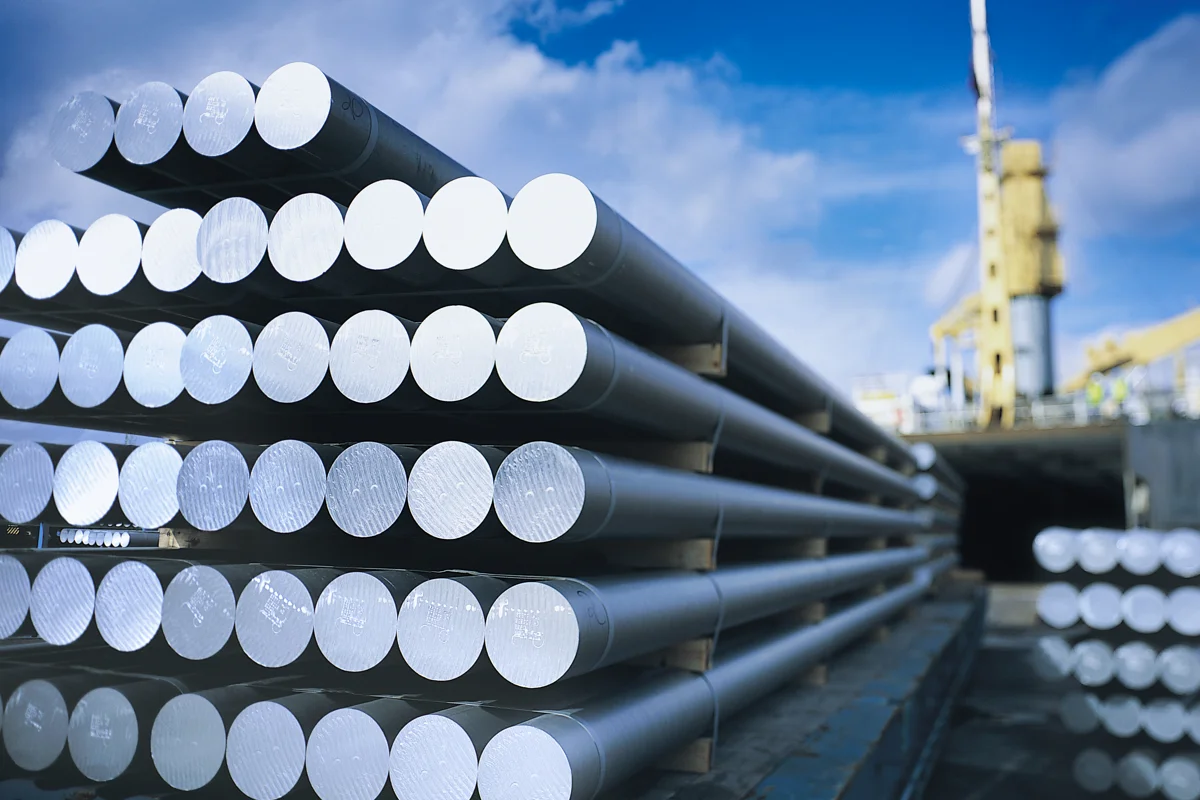
Stock image for referential purposes only
The United States needs a stronger domestic primary aluminium industry to support national security, military equipment and critical infrastructure, according to an economic analysis by Adam Hersh, an economist and research fellow at the University of Massachusetts.
Hersh presented the findings at a press event in Washington, D.C. He highlighted the need for domestic production of high-purity aluminium used in military applications. He said the US currently has no operating smelters capable of producing this specialised aluminium, leaving the country reliant on overseas supplies and exposed to possible supply disruptions.
The report points to a major change in US aluminium production over the past 25 years. In 2000, the country accounted for around 15 per cent of global aluminium capacity, with 23 smelters in operation. Today, the US produces about 1 per cent of the world's aluminium through four smelters owned by Alcoa and Century Aluminum.
Explore the production, demand and consumption forecasts of bauxite and alumina in our report: "Global Bauxite & Alumina Market Forecast to 2036: Supply–Demand, Trade Flows & Price Outlook"
According to Hersh, high operating costs and competition from cheaper imports led to the closure of most US smelters. Over the same period, China added nearly 42 million tunnes of aluminium capacity, expanding its role in the global market.
“This has created a huge global glut in supply, and that drives prices down,” Hersh said.
High-purity aluminium is particularly important because there are few alternatives for its use in military equipment, energy and transportation systems, and other infrastructure. Hersh said the lack of domestic production capacity raises economic and national security concerns for the US.
Looking for unwrought aluminium business opportunities? Explore potential leads of primary aluminium on AL Biz.
The Trump administration has increased Section 232 tariffs on steel, aluminium and copper imports from 25 to 50 per cent to support domestic producers. The measures have contributed to higher aluminium and steel prices, while producers have reported stronger financial results.
Hersh explained, “Tariffs are a great policy tool when they’re used…narrowly, strategically to support key industries…but just like a hammer can be used to build a house, if you don’t use the tool correctly, bad things can happen. This one is a good thing.”
His analysis found little to no impact on consumer prices across 11 selected product categories, including beer cans, wires and cables, construction materials, and furniture. The report said six categories showed no impact on input prices.
Showcase your brand, aluminium recycling initiatives and sustainability vision in our upcoming magazine: Sustainability & Recycling: Aluminium’s Commitment 2026.
US smelting activity has also shown signs of recovery. In June, Century Aluminum reached full capacity at its Mt. Holly smelter in Goose Creek, South Carolina, following a USD 50 million investment to restart idle production. In July, Magnitude 7 Metals moved to restart its smelter in Marston, Missouri, by the end of the year after shutting down operations in 2024.
Century Aluminum and Emirates Global Aluminum are also planning a USD 4 billion smelter in Inola, Oklahoma. If built, the facility would be the first new aluminium smelter in the US since 1980. However, the project faces legal challenges and opposition from residents and officials over environmental and health concerns. These developments highlight the role of domestic aluminium production, particularly for specialised materials used in defence and critical infrastructure.
Grow with
AL Circle