China trade imbalance hits aluminium: India’s imports rise as exports slide
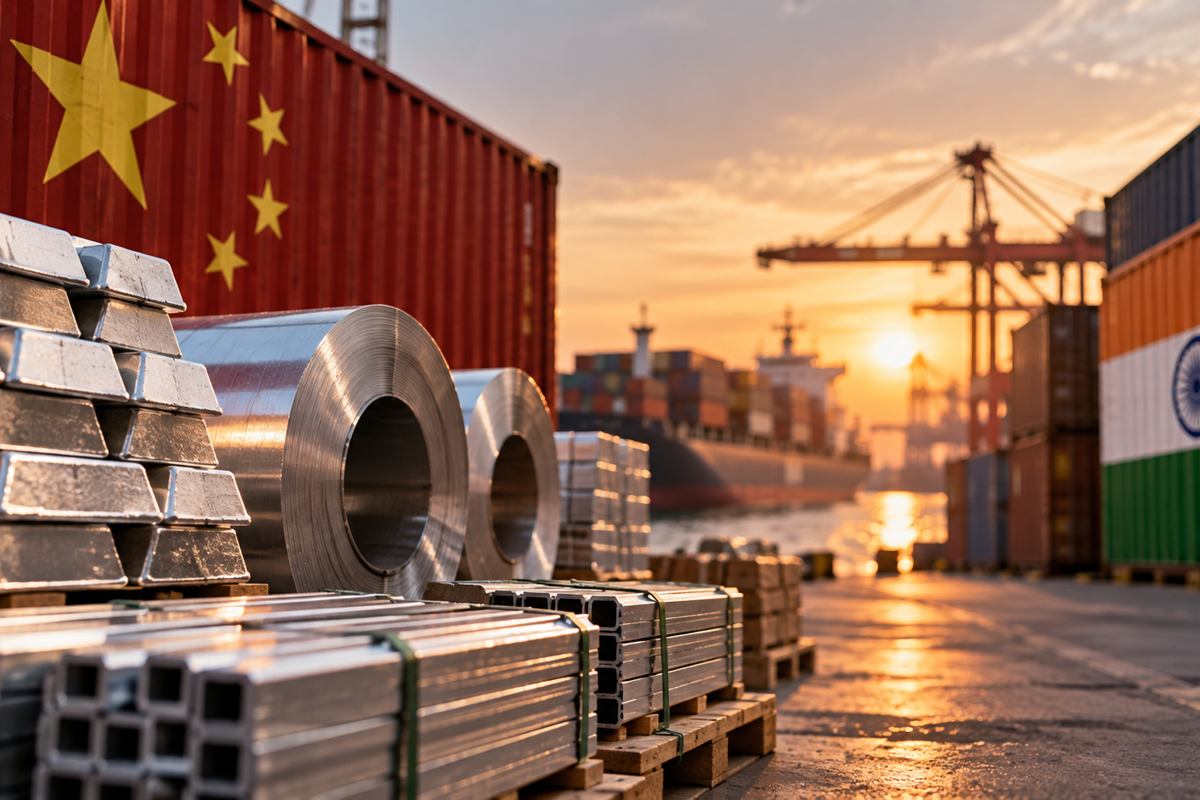
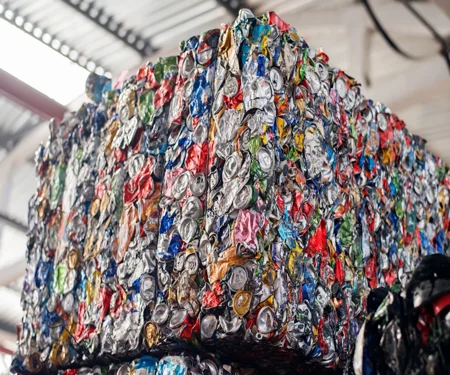
The image used in this article is generated with an AI tool and does not depict any real-time moment.
India’s trade deficit with China crossed USD 100 billion in the first nine months of 2026 as imports continued to outpace exports, with aluminium trade data showing a widening imbalance in the latest available period. While India’s overall exports to China recorded strong growth between January and September, the value of its aluminium exports to the neighbouring country declined year on year through July, even as aluminium imports from China increased.
Data released by China’s General Administration of Customs showed that bilateral trade rose 25.4 per cent to USD 144.45 billion between January and September 2026. India’s imports from China increased 23.3 per cent to USD 125.19 billion, while exports to China grew 40.7 per cent to USD 19.26 billion.
Despite the rise in exports, the trade deficit reached USD 105.93 billion during the period, putting it on course to surpass the record USD 116.12 billion recorded in 2025.
India’s trade deficit with China continues to widen
Indian officials have highlighted the need for improved market access for Indian businesses and raised concerns about the composition of imports. While Chinese intermediate goods support manufacturing in India, continued dependence on finished products remains a broader economic concern.
India’s exports to China have nevertheless shown some improvement. Seafood products, naphtha and printed circuit boards were among the major Indian export categories during the year. The increase in exports, however, has not been sufficient to offset the much larger value of imports.
The trade deficit was also discussed during talks between Prime Minister Narendra Modi and Chinese President Xi Jinping on the sidelines of the BRICS summit last month. Both governments acknowledged the need to address economic and trade concerns, including structural imbalances and supply-chain issues.
Explore the production, demand and consumption forecasts of bauxite and alumina in our report: "Global Bauxite & Alumina Market Forecast to 2036: Supply–Demand, Trade Flows & Price Outlook"
Aluminium trade follows a different trajectory
The imbalance is also visible in bilateral aluminium trade, according to the US Department of Commerce’s Global Aluminum Trade Monitor, which tracks trade values by reporting and partner country.
India’s imports of aluminium products from China reached approximately USD 1.03 billion in the year to July 2026, compared with around USD 860 million during the corresponding period in 2025. This represents an increase of roughly 19 per cent in import value.
In the opposite direction, India’s aluminium exports to China fell to approximately USD 132 million in the first seven months of 2026, down from around USD 155 million in the same period a year earlier. The decline amounts to roughly 15 per cent.
The figures point to a widening gap between the value of aluminium products India purchases from China and the value it exports to the country. In the first seven months of 2026, India’s aluminium imports from China were worth nearly eight times its exports to the same market.
The trend contrasts with India’s overall trade performance with China, where exports increased 40.7 per cent during January–September. Aluminium exports, by comparison, recorded a decline in value through July, while imports continued to rise.
Unlock key insights from leading companies and experts across the aluminium ecosystem with our e-Magazine - Mine to Market: Aluminium Producers & Manufacturers 2026
Supply-chain concerns remain on the agenda
India’s concerns extend beyond the value of imports and exports. Chinese export controls affecting sectors ranging from fertilisers to rare earths have added to questions about supply-chain reliability.
Following the meeting between Modi and Xi, India’s Ministry of External Affairs said the leaders had “underlined the need to address each other’s concerns, including structural trade imbalance and supply chain issues, and facilitation of meaningful and predictable market access”.
China’s Foreign Ministry said the two countries should address their economic and trade concerns in a balanced manner and promote the steady development of bilateral economic relations.
For the aluminium sector, the latest trade figures highlight the scale of India’s reliance on Chinese supplies relative to the value of its exports to that market. Whether this pattern persists will depend on subsequent trade data and developments in bilateral market access and supply chains.
Find the right unwrought aluminium for your business. Browse a comprehensive list of primary aluminium products on AL Biz.
US aluminium industry highlights importance of domestic smelting capacity for national security
Next articleLME aluminium prices climb up to 0.41% as Asian reference price jumps $34
Grow with
AL Circle