From furnace linings to molten-aluminium transfer, how advanced technologies are addressing challenges in aluminium production
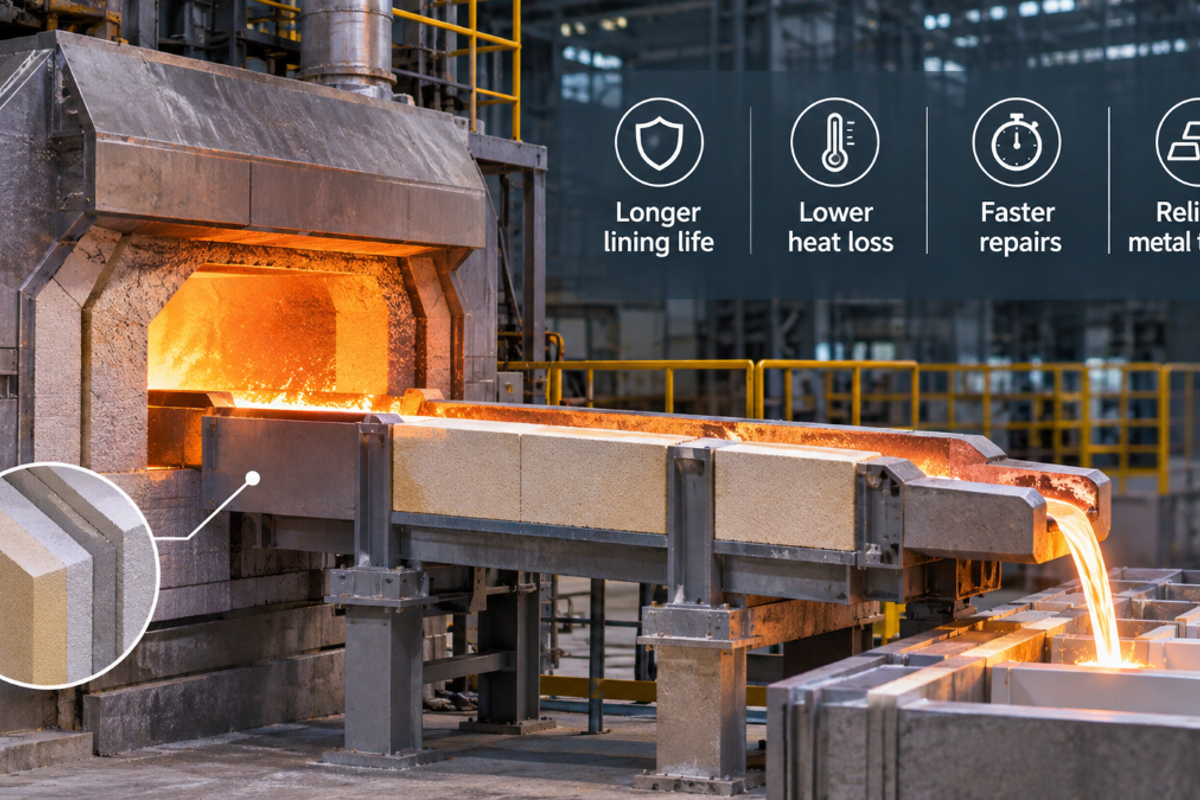
The image used in this article is generated with an AI tool and does not depict any real-time moment
Aluminium production depends on high-temperature processes where furnace efficiency, thermal management and equipment durability are essential for maintaining operational performance. However, refractory materials used in melting, holding and casting operations face continuous exposure to extreme temperatures, thermal fluctuations, chemical corrosion and mechanical wear. These conditions can lead to premature furnace-lining failure, molten-metal penetration, corundum formation and heat loss, increasing maintenance requirements and operating costs.
Addressing these challenges requires materials that can withstand demanding operating conditions while keeping equipment efficient and reliable. Alkegen, a supplier of high-temperature refractory and insulation materials, serves this requirement through products used in aluminium melting, holding, casting and other furnace operations. Its offerings include engineered refractories, low-density insulation, customised shapes, repair materials and molten-metal delivery systems.
Refractory challenges across aluminium operations
Premature furnace-lining failure remains a concern for aluminium producers. When molten aluminium penetrates pores and cracks in refractory materials, it can trigger chemical reactions and corundum formation, weakening the lining and accelerating its deterioration. Repeated temperature changes caused by charging cold scrap, opening furnace doors or modifying operating conditions can further increase the risk of cracking and spalling.
Heat loss presents another challenge, particularly in aluminium cast houses, where maintaining molten-metal temperature throughout processing and transfer is essential. Conventional refractory repairs can also involve lengthy drying and heat-up periods, keeping furnaces, launders and other critical equipment out of operation for extended periods.
Mechanical damage from scrap charging, metal movement, cleaning, stirring and slag or dross removal adds to the maintenance burden. Producers must also ensure that molten aluminium moves from furnaces to casting centres with minimal turbulence, heat loss, spillage risk and wear on metal-contact components.
Explore the production, demand and consumption forecasts of bauxite and alumina in our report: "Global Bauxite & Alumina Market Forecast to 2036: Supply–Demand, Trade Flows & Price Outlook"
Refractory materials for melting, holding and casting
These operating requirements are reflected in Alkegen's range of refractory and insulation products. Its Thermbond® refractory materials include customised furnace linings, monolithic refractories, preformed shapes and repair solutions for furnaces, launders, crucibles, ladles, doors and roofs.
Through its Thermshape™ and REX Materials forming solutions, the company also supplies engineered refractory shapes and insulation components, including low-density fused-silica materials such as Pyroform and Fusion Fused. These products are designed to withstand thermal stress and wear in foundry and aluminium-processing applications.
The portfolio also includes ceramic-fibre insulation products such as boards, sleeves, blankets and customised components that help reduce heat loss and protect high-temperature equipment. Meanwhile, Purefrax® hot-gas filtration solutions use ceramic-fibre filters to treat high-temperature gas streams, with filtration efficiency of up to 99.99 per cent, supporting particulate removal and industrial emissions control.
These materials are used across melting and casting furnaces, launders, troughs, crucibles, ladles, furnace seals, expansion joints, tap-out cones, and furnace door and roof supports.
Faster repairs and longer refractory service life
One of the important requirements in aluminium furnace maintenance is reducing the time needed to repair and restart critical equipment. Alkegen's Thermbond refractory materials are designed for faster drying and heat-up, helping repaired furnaces and other equipment return to operation sooner. This can be particularly relevant for producers, as prolonged shutdowns can affect melting, holding and casting schedules.
Resistance to molten-aluminium attack is another consideration. The company's application-specific refractory and insulation products are designed to withstand high temperatures, thermal cycling, abrasion and molten-metal exposure. By improving resistance to these conditions, the materials aim to limit lining deterioration and extend the service life of furnaces, ladles, crucibles, launders and other hot-metal handling equipment.
Its low-density insulation and refractory materials also address heat loss from furnaces and molten-metal handling systems. By helping reduce heat losses, these products aim to lower energy requirements and improve thermal performance. This is particularly relevant in aluminium cast houses, where maintaining metal temperature during transfer and processing must be balanced against energy consumption and operating costs.
An integrated approach to molten-aluminium transfer
Beyond individual refractory products, Alkegen offers its High-Performance Metal Delivery System (HPMDS), a complete launder solution designed to transport molten aluminium from furnaces to casting centres.
The system combines refractory linings, backup insulation, support structures and covers to facilitate controlled, non-turbulent metal flow while reducing heat loss and maintenance requirements. Its components include Pyroform HP, Fusion or Thermblock refractory materials for the launder, ceramic-board backup insulation, Pyroform HP covers and E-Z Foam bonding material.
By combining these components into an integrated system, the solution addresses the requirements of molten-metal transfer, particularly thermal efficiency and wear on metal-handling equipment.
Looking for unwrought aluminium business opportunities? Explore potential leads of primary aluminium on AL Biz
Competition across aluminium refractory and insulation markets
Alkegen operates alongside several established suppliers in the aluminium refractory, furnace insulation and molten-metal handling markets. These include Vesuvius/Foseco, Saint-Gobain Performance Ceramics & Refractories, RHI Magnesita, Calderys, Morgan Advanced Materials and Pyrotek. Their product portfolios overlap with Alkegen across different applications, although their areas of specialisation vary.
Vesuvius/Foseco has a broad presence in aluminium furnace linings, monolithic refractories, precast shapes, launders, ladles, crucibles and molten-metal transfer systems. Its TRIAD and ALUGARD castables serve aluminium-related applications, while KELLUNDITE dry-vibratable linings are used in furnace operations. The company also supplies INSURAL insulating shapes, Zyarock/Zyacast fused-silica ladles, precast launders, transfer troughs, furnace blocks, spouts and refractory repair materials. These offerings overlap with Alkegen's Thermbond, Pyroform and Fusion products, as well as its HPMDS launder solution.
Saint-Gobain Performance Ceramics & Refractories competes in high-performance ceramics, furnace components, launder systems and refractory materials for primary and secondary aluminium production. Its portfolio includes refractory mortars, castables, spouts, baffles, immersion-heater tubes and engineered ceramic components. Its silicon carbide and silicon-nitride-based materials, including Advancal and Refrax ARC, are designed for applications requiring resistance to corrosion, oxidation, thermal shock and spalling. The company also serves primary aluminium reduction-cell applications.
RHI Magnesita supplies high-grade refractories, monolithic materials, silicon carbide products and customised refractory systems for aluminium and other non-ferrous metal operations. Its portfolio overlaps with Alkegen in furnace linings, shaped refractories and high-temperature equipment protection.
Calderys competes in monolithic refractories, furnace linings and thermal solutions for aluminium and non-ferrous metal processing. Its offerings cover castables, refractory maintenance and insulation, particularly in furnace protection and thermal management.
Morgan Advanced Materials operates in thermal ceramics, furnace insulation, molten-metal systems and engineered refractory components. Its overlap with Alkegen is mainly in insulation materials, customised shapes and high-temperature components used in aluminium processing.
Pyrotek has a specialised presence in the aluminium industry, supplying cast-house refractories, thermal insulation, molten-metal handling and filtration products. Its portfolio overlaps with Alkegen in aluminium casting and metal-transfer applications. However, its filtration solutions are primarily associated with molten-metal filtration rather than the high-temperature gas filtration addressed by Alkegen's Purefrax® products.
Participate in AL Circle's upcoming e-Magazine - Smart ALuminium: Advancing Industrial Technologies in 2027 to showcase the advancement of technologies in aluminium recycling
Grow with
AL Circle












_md.webp)