AAC welcomes Canada’s implementation of smelt and cast reporting for aluminium imports

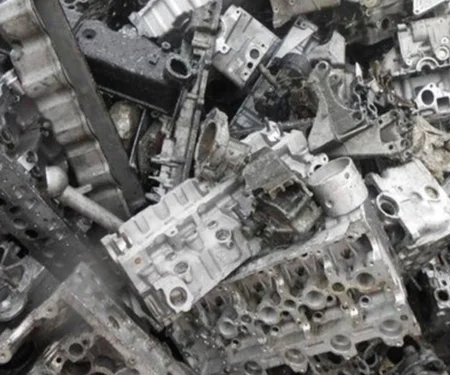
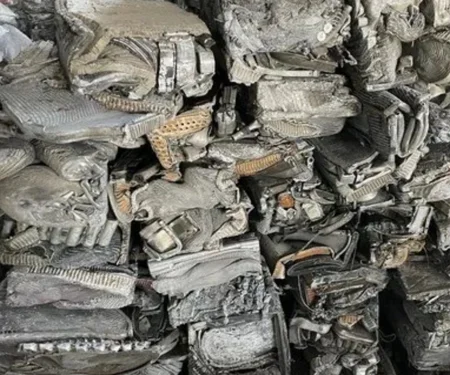
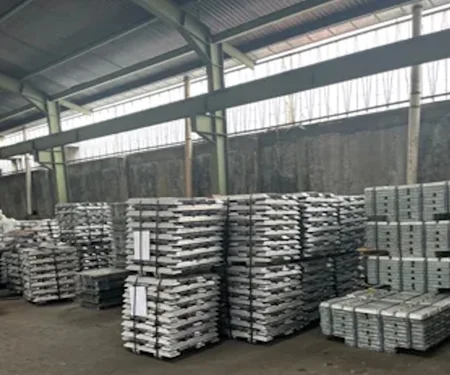
The image used in this article is generated with an AI tool and does not depict any real-time moment
The Aluminum Association of Canada (AAC) welcomes the integration of country of smelt and cast reporting into Canada’s Aluminum Import Monitoring Program (AIM), effective October 1, 2026. This milestone strengthens transparency across aluminium supply chains and equips authorities with better information to monitor trade flows and identify potential circumvention.
The new requirements build on Canada’s progressive development of its aluminium import monitoring framework:
• September 1, 2019: Canada launched AIM under General Import Permit No. 83, following the Canada–US joint statement on steel and aluminium trade.
• Summer 2024: Global Affairs Canada (GAC) consulted stakeholders on collecting and publishing country of smelt and cast information.
• July 31, 2025: Under a separate trade measure, Canada implemented a 25 per cent surtax on certain imported aluminium goods containing aluminium smelted and cast in China. This measure uses smelt and cast information to determine surtax applicability and operates independently of AIM.
• October 1, 2026: The new reporting requirements took effect.
Under the new requirements, importers of covered products containing primary aluminium must report the country of largest and second-largest smelt. The country of most recent cast must also be reported for all covered products.
“Smelting is the DNA of primary aluminium. Its origin remains part of its history, even when the metal is blended, recast or transformed,” said Jean Simard, President and CEO of the AAC. “Mandatory smelt and cast reporting will bring that origin into view, strengthening traceability and giving authorities better tools to monitor what crosses our borders.”
These reporting requirements are backed by Canada’s compliance and enforcement framework, which provides for administrative monetary penalties for reporting violations. False or misleading reporting can also lead to prosecution under the Export and Import Permits Act. GAC and the Canada Border Services Agency monitor compliance and can require supporting documentation to verify declarations.
The AAC will continue to focus on border monitoring by tracking imports, identifying unusual trade patterns and supporting effective verification and enforcement. Building on the requirements that took effect on October 1, the Association looks forward to further strengthening the system through broader coverage of aluminium products and derivatives, as well as improved traceability for secondary aluminium and scrap. Timely publication of smelt and cast data in accessible, user-friendly formats will also be essential to strengthen transparency and help authorities and industry identify emerging risks in global aluminium trade.
Note: This article has been shared by The Aluminum Association of Canada and has been published by AL Circle with its original information without any modifications or edits to the core subject/data.
Grow with
AL Circle