Macro sentiment relatively cautious, consumption resilience underpins aluminium prices

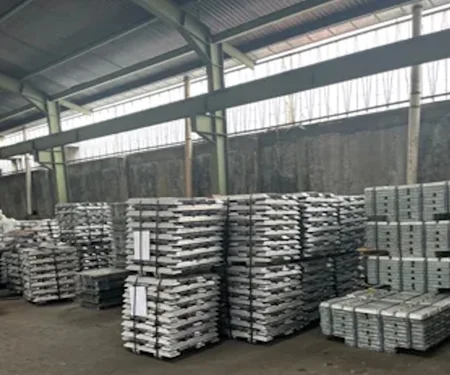
The image used in this article is generated with an AI tool and does not depict any real-time moment
Futures: SHFE aluminium closed at RMB 23,145 per tonne, edging down 0.19 per cent. Although prices held above MA5 (23,077) and MA10 (23,044), they remained capped by MA30 (23,760) and MA60 (23,767), with the overall market in a consolidation phase following the sharp decline. The MACD indicator's dual lines (DIF=-261.81, DEA=-237.16) operated below the zero axis, with the green bar expanding to -49.29, failing to extend the previous day's bottom divergence repair, indicating fading rebound momentum. Trading volume shrank to 54,800 lots, with market activity turning cautious. The suggested core trading range for SHFE aluminium is 22,700-23,500. LME aluminium closed at USD 3,008 per tonne, edging up 0.07 per cent. Prices barely held above MA5 (3,002.4) but remained pressured by MA10 (3,019.6) and medium and long-term moving averages (MA30=3,139.2, MA60=3,201.8). The MACD indicator's dual lines (DIF=-57.58, DEA=-57.29) showed a death cross convergence, with the green bar at only -0.57, as bullish and bearish momentum approached stagnation. The suggested core trading range for LME aluminium is 3,000-3,050.
Macro front: Reports indicate that the US and Israeli militaries have formulated specific plans to strike Iran again after the US midterm elections in November, with potential targets including Iran's energy infrastructure, nuclear facilities, and missile and drone arsenals. However, it remains uncertain whether US President Trump will approve the implementation of this plan. Iran has stated that it is prepared for a full-scale, multi-layered, and comprehensive war.
Fundamentals: Supply side, with project replacement, a small amount of idle capacity was released, and China's weekly aluminium production edged up this week. Overseas, on October 21, it was reported that an aluminium plant in the UAE had restored its operating rate to 50 per cent; meanwhile, overseas reports indicated that a production line at an aluminium plant in Iran had malfunctioned, with the possibility of production being affected, though the plant's scale is limited. Combined with the continued production ramp-up of the Indonesia project, overseas supply overall continued to recover. Demand side, after aluminium prices declined from earlier levels, aluminium billet processing fees recovered, and aluminium billet plants in south China improved their production, with the proportion of liquid aluminium rebounding 0.06 percentage points MoM. Overall, consumption in October remained resilient. Inventory side, according to SMM statistics, as of this Thursday, China's social inventory of aluminium ingots destocked by 24,000 tonnes from this Monday and by 53,000 tonnes from last Thursday, shifting to destocking after the post-holiday seasonal inventory buildup, confirming consumption resilience.
Primary aluminium market: Central China market: Aluminium prices rebounded, and combined with month-end invoice quota shortages for some traders and active shipments under long-term contracts, suppliers in the central China market showed increasing willingness to sell, with panic selling continuing to drag down market prices. Ultimately, actual transaction prices in the central China market centered around premiums of RMB 120-150 per tonne against the SHFE aluminium November contract. East China market: Yesterday, the SHFE aluminium 2611 contract continued to rise in early trading, with the center clearly higher than the previous day. Spot trading sentiment weakened, and spot premiums for SHFE aluminium declined during the day. SMM A00 aluminium ingot spot transaction prices were at premiums of RMB 260-280 per tonne. As the price spread between futures contracts narrowed, some suppliers were reluctant to sell large volumes at low prices. South China market: On the previous trading day, aluminium prices extended gains, with the spot market struggling at the bottom. Nearby contract basis had continued to weaken to varying degrees, and with significant destocking reappearing, there were initially attempts to hold prices firm and control pricing; however, on one hand, absolute prices rebounded consecutively from lows, and on the other hand, the basis remained not low compared to the structure before it opened, so the desire to sell and realize cash gradually became dominant, making downward adjustments unavoidable, with mainstream quotes in the discount range. Buying demand steadily entered the market, but buyers generally only considered pushing for lower prices, providing moderate support at the bottom but insufficient upward momentum, making transactions less than ideal. Spot transaction prices concentrated at premiums of RMB 165 per tonne to RMB 205 per tonne against the SHFE aluminium 2611 contract.
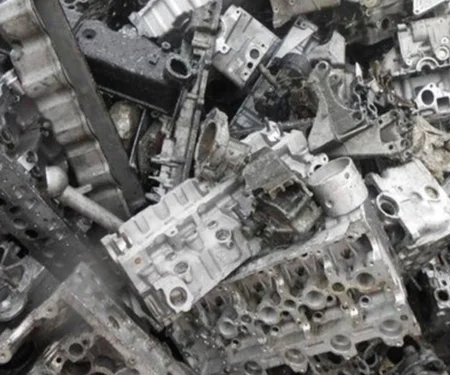
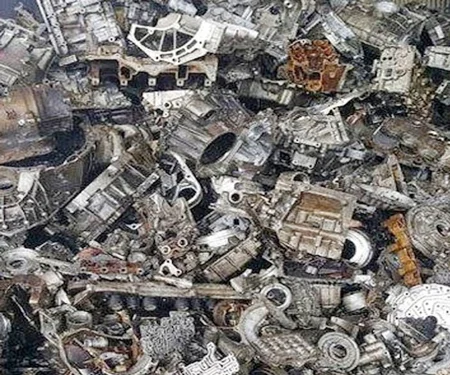
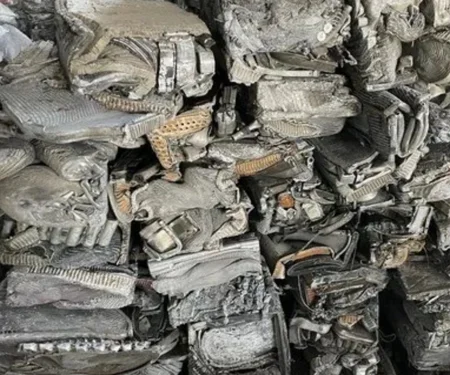
Aluminium scrap: On the previous trading day, SMM A00 aluminium price closed at RMB 23,710 per tonne, up RMB 100 per tonne from the previous trading day, with aluminium scrap prices generally following with a RMB 50 per tonne increase, while some regions stayed on the sidelines with no price adjustments. As of October 22, SMM A00 aluminium price closed at RMB 23,710 per tonne, rebounding RMB 450 per tonne from last Thursday. On the price difference front, on October 22, the price difference between A00 aluminium and mixed aluminium extrusion scrap free of paint in Foshan was about RMB 2,142 per tonne, narrowing RMB 12 per tonne WoW; the price difference between A00 aluminium and shredded aluminium tense scrap was about RMB 532 per tonne, narrowing RMB 179 per tonne WoW. Supply side, tax inspections in central China continued to deepen, with compliant invoiced aluminium scrap becoming increasingly scarce, and enterprises holding invoices showed strong willingness to hold prices firm; competition among enterprises was intense, and actual effective supply remained tight. On the import front, this week, imported zorba prices at Ningbo port and Tianjin port were recorded at RMB 20,970 per tonne (tax-inclusive) and RMB 21,020 per tonne (tax-inclusive) respectively, flat from last week. According to customs data, aluminium scrap imports in September were 158,800 tonnes, up 12 per cent MoM, continuing the recovery trend. On one hand, shipping schedules and deliveries have gradually returned to normal, with Southeast Asian supply replenishment continuing to increase; on the other hand, the deepening peak season has to some extent driven phased restocking demand for imported scrap. In the short term, the aluminium scrap market is expected to hold up well, with limited downside. Supply side, the scope and intensity of tax inspections remain the core variable, with the tight supply of compliant invoiced cargo unlikely to ease. Some industry leaders have further raised their invoice tax rates, and competition for compliant cargo among enterprises has intensified. Demand side, downstream scrap utilization enterprises still show demand resilience, but finished product inventory pressure also suppresses raw material purchasing enthusiasm. Additionally, the price difference between A00 aluminium and aluminium scrap has recently narrowed to historical lows, weakening the economic advantage of aluminium scrap, and the issue of primary aluminium substitution has returned to the discussion table. Going forward, focus on the spread of tax inspections, changes in invoice quotas across regions, and downstream operating pace.
Secondary aluminium alloy: On the previous trading day, the ADC12 market overall maintained a stable and wait-and-see stance, with SMM ADC12 market quotes holding steady at RMB 24,500 per tonne from the previous day. Today, enterprise quotes were mostly stable, with a few enterprises considering slight upward adjustments driven by the rebound in aluminium prices, but the overall willingness to follow through with price increases remained weak. Although aluminium prices have rebounded, the upward momentum is limited, and bullish sentiment has not fully recovered. Additionally, downstream demand performance is mediocre, with purchases still mainly based on rigid demand, and the improvement in transactions is limited, making it difficult to effectively support spot price increases. Overall, the ADC12 market is likely to continue moving sideways in the short term, with attention on aluminium price trends, changes in market sentiment, and actual downstream purchasing.
Comprehensive outlook: Current macro sentiment is relatively cautious; fundamentals, overseas production resumptions and new project ramp-ups are weighing on futures sentiment, but continued destocking in China still supports the bottom of aluminium prices.
Note: This article has been shared by SMM and has been published by AL Circle with its original information without any modifications or edits to the core subject/data.
Grow with
AL Circle