您想继续阅读英文文章还
是切换到中文?
是切换到中文?

THINK ALUMINIUM THINK AL CIRCLE

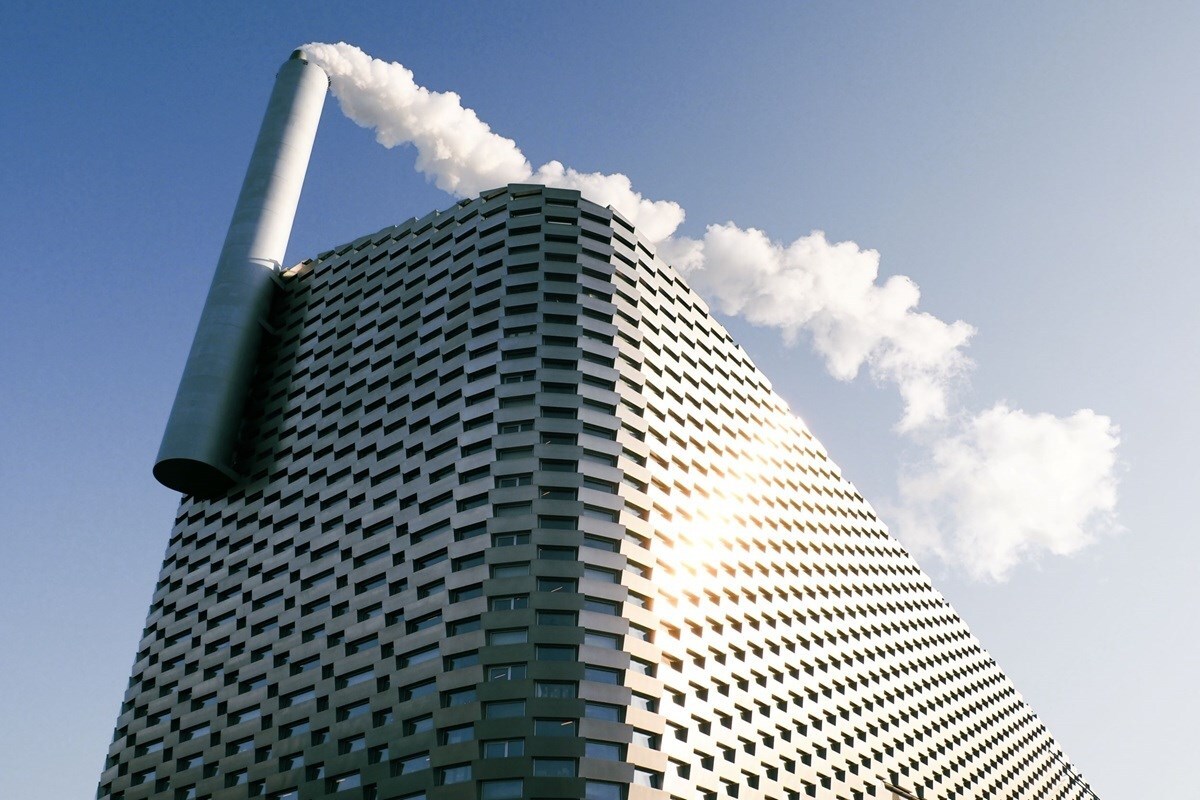
With the recent publication, Speira is now offering Environmental Product Declarations (EPDs) for all major product categories in its Specialities business. “Choosing the most sustainable aluminium should be as easy as possible for our customers. EPDs are an important tool for achieving this, making our efforts for sustainability transparent, accountable and comprehensive. With these certifications, we are purposefully stepping up our game, especially in the sustainable construction segment,” explains Peter Basten, Head of Specialities & New Business Development at Speira.
{alcircleadd}For the global aluminium value-chain 2026 outlook, book our exclusive report “Global ALuminium Industry Outlook 2026"
The verifications were carried out according to ISO 14025:2006 by Tetis Institute, a spin-off from the University of Genoa in Italy, and cover all major cold- and hot-rolled as well as coated products from Speira’s Specialities. These are primarily the alloys for transport applications and shipbuilding, for mechanical engineering and energy technology, and, most of all, for functional and aesthetic applications in architecture. Generally, the declarations are an important tool for planners and engineers to compare the environmental impact of products in concrete terms and optimise the sustainability of their projects. And in the construction sector in particular, sustainability standards such as BREEAM, LEED and DGNB – the world’s leading voluntary certification systems for sustainable construction and operation – require EPDs. Here, low-carbon aluminium from Speira can be used in façade elements as well as in roofing, window and shading technology and, thus, contribute to “green buildings”.
Also Read: Constellium celebrates the performance of its team at the 2025 THANK YOU AWARDS
For Speira, it is particularly important to use a proportion of recycled material as high as possible in order to minimise the ecological footprint of its aluminium. This is because recycling requires up to 95 per cent less energy than primary production and therefore generates correspondingly lower CO2 emissions.
Speira’s EPDs follow the cradle-to-gate approach and consider the use of primary metal, internal and external scrap and alloy surcharges, as well as the composition, melting and casting, rolling and cutting. The Life Cycle Assessments included were carried out by Alea Design, a spin-off from the University of Modena in Italy. “This results in a transparent overview of the environmental impacts along the entire value chain, from the material and its origin to when it leaves the factory grounds,” says Dorothea Flockert, Head of Group Sustainability & ESG Reporting at Speira.
Must read: Key industry individuals share their thoughts on the trending topics
Note: This article has been issued by Speira and has been published by AL Circle with its original information without any modifications or edits to the core subject/data.

Responses


A proud
ASI member
AL Circle Private Limited | CIN: U72200WB2017PTC221175
Registered Office: Ecospace Business Park, Block 3A, Unit 401A, New Town, Rajarhat, Kolkata, WB 700160
Corporate Office: Ecospace Business Park, Block 3A, Unit 401A, New Town, Rajarhat, Kolkata, WB 700160
© 2026 AL Circle. All rights reserved. AL Circle is not responsible for content from external sources.