Tomago smelter set for $2.5b lifeline for as Australian PM Albanese set to make major announcement
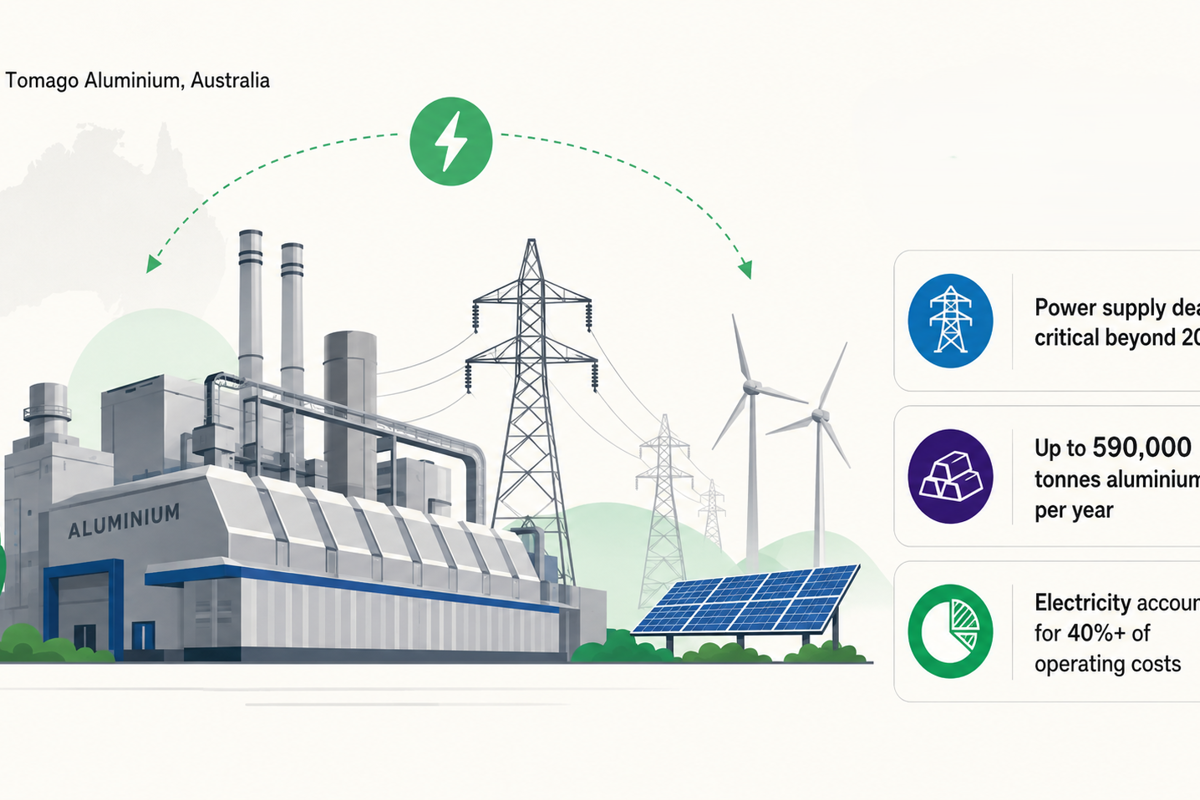
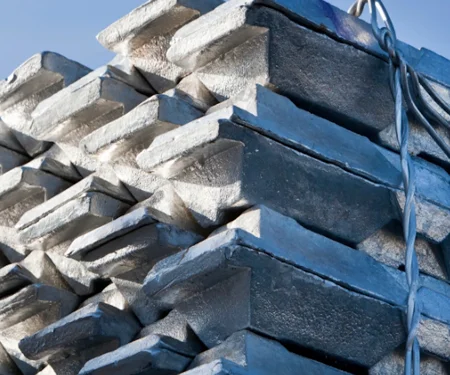
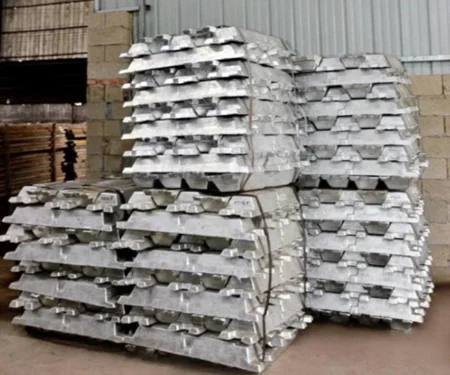
The image used in this article is generated with an AI tool and does not depict any real-time moment
Australia’s largest aluminium smelter, Rio Tinto-controlled Tomago Aluminium, appears set for a major government-backed lifeline, with Prime Minister Anthony Albanese and New South Wales Premier Chris Minns expected to announce a support package worth up to AUD 2.5 billion over 10 years on Thursday.
The proposed deal comes as Tomago’s future beyond 2028 remains tied to its ability to secure reliable and competitively priced electricity. Its existing power supply agreement with AGL expires in December 2028, and the smelter has warned that significantly higher power costs could make continued operations economically unviable.
A AUD 2.5 billion package to keep Tomago running
According to reports, Albanese and Minns are expected to visit Tomago near Newcastle on Thursday to announce a joint federal-NSW funding package worth as much as AUD 2.5 billion over a decade. The package is reportedly linked to long-term power purchase agreements with government-owned renewable energy generator Snowy Hydro and could support the development of around 2.5 GW of new energy supply.
The reported package is also expected to include up to AUD 1 billion in capital and major maintenance investment from Tomago’s owners, while the government component would reportedly be split equally between Canberra and NSW.
The development follows months of negotiations between the Federal and NSW governments, Tomago and its owners over how to secure affordable electricity beyond 2028. In July, AL Circle reported that Albanese had entered the final stages of discussions with Minns, with subsidised electricity supplied through Snowy Hydro at the centre of the proposed model.
Join the webinar by Alberto Monje Gama to learn about recycled aluminium, CBAM and trust
Why is Tomago such a big deal for Australia?
The Hunter Valley smelter consumes roughly 700-900 MW of electricity, making it one of the largest individual electricity users in Australia and accounting for around 12 per cent of NSW’s electricity demand. It employs approximately 1,000 people directly, while supporting thousands more jobs across the broader regional economy and supply chain.
Tomago can produce up to 590,000 tonnes of aluminium annually, equivalent to almost 40 per cent of Australia’s annual aluminium production, according to Rio Tinto. Its output feeds a wide range of applications, including packaging, construction, solar panels and wind turbines.
That makes a potential shutdown more than a corporate decision. It would remove a significant chunk of Australia’s domestic primary aluminium production while putting pressure on downstream manufacturers that rely on locally produced metal.
Albanese has previously made precisely this point, warning that if Australia stops producing aluminium, the consequences would ripple through other industries. “If Australia doesn’t produce aluminium, then the knock-on effect in other industries is significant because aluminium is increasingly a vital product.”
The proposed arrangement has been taking shape for months
In December 2025, the Federal and NSW governments announced a framework to work with Tomago on a long-term, fixed-price power purchase agreement, alongside investment in renewable generation and electricity infrastructure. Tomago, meanwhile, committed to at least $1 billion in capital and major maintenance investment over the following decade, including further decarbonisation opportunities.
Previous reports mention that Snowy Hydro could act as an intermediary or offtaker, purchasing renewable electricity through long-term contracts and supplying it to Tomago. Government-backed credit support and concessional financing could reduce the cost of capital for renewable projects, helping bring down the eventual electricity cost.
This is important because electricity accounts for more than 40 per cent of Tomago’s operating costs. The smelter had previously said it could not find an affordable replacement for its existing electricity arrangement, whether from coal-based or renewable sources.
Tomago has also been working towards a major change in its power mix. The smelter had announced an ambition to reach roughly 50 per cent renewable electricity by 2030 and 100 per cent by 2035, making the availability of competitively priced clean power central to its long-term strategy.
To explore trade opportunities of secondary aluminium, visit AL Biz
The numbers behind the electricity problem
Earlier estimates suggested the proposed subsidy-backed arrangement could cost the government between AUD 300 million and AUD 470 million annually, potentially running into several billion dollars over a decade. Under the earlier model, Snowy Hydro would procure renewable power at market rates and supply it to Tomago at a lower price, with the government effectively covering the difference.
The final model now being reported appears broader, with around 2.5 GW of new energy supply potentially linked to the package and significant capital investment from the smelter's owners.
Tomago is not an isolated case
The Australian government has increasingly turned to financial support to protect energy-intensive industrial assets as high electricity costs, decarbonisation requirements and international competition squeeze domestic production.
Earlier this year, Canberra committed AUD 1 billion to support Rio Tinto’s Boyne aluminium smelter in Queensland. Other energy-intensive facilities, including the Whyalla steelworks and metal-processing operations, have also attracted government support.
Not everyone is convinced
Nationals leader Matt Canavan has warned that it would not be sustainable for major industries to repeatedly rely on government support, arguing against what he described as a cycle of government “blank cheque” assistance. He also linked the issue to the broader debate over Australia’s net-zero policies.
The question now is whether government-backed electricity pricing can create a sustainable business model, or simply postpone the underlying competitiveness problem.
Unlock key insights from industry experts on sustainability moves in the aluminium industry with our magazine
Solar PV boom creates a new aluminium recycling opportunity as panel waste grows
Next articleRio Tinto ecstatic as Tomago smelter gets its power secured through 2038
Grow with
AL Circle