EU corrects CBAM default values, selected aluminium products and unknown-origin precursors affected
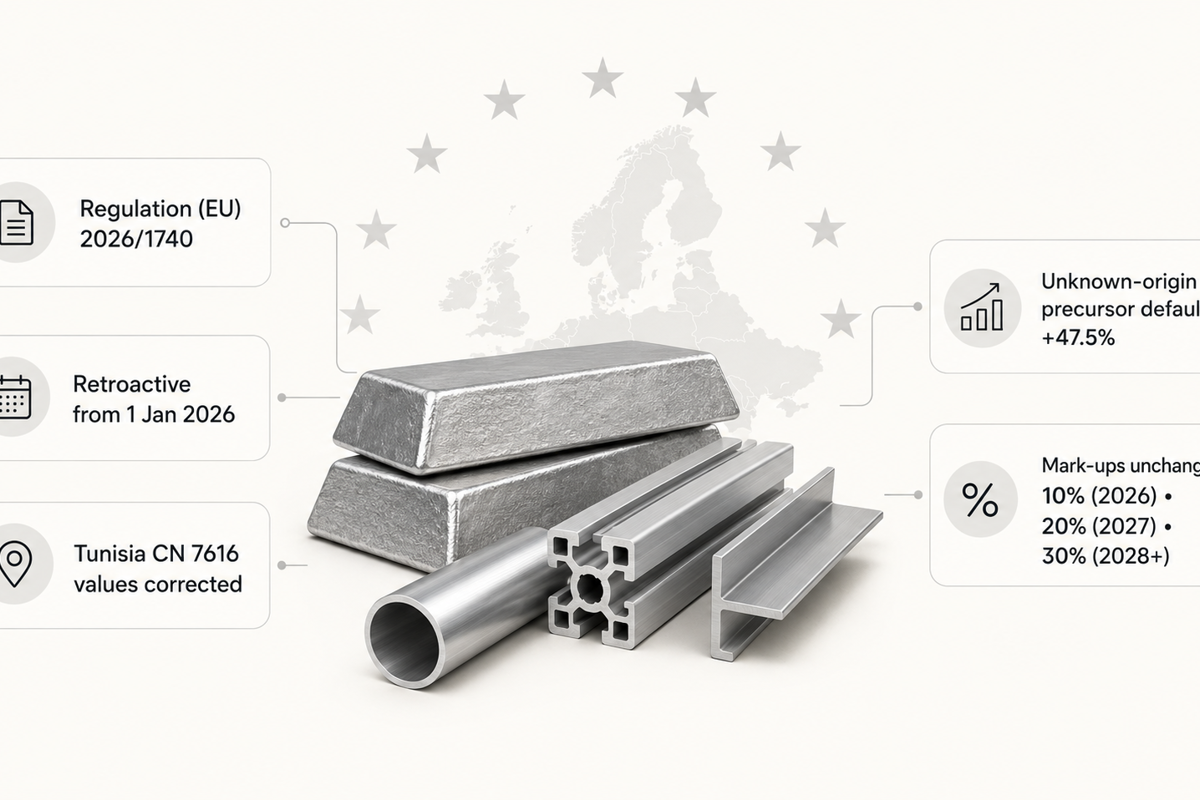
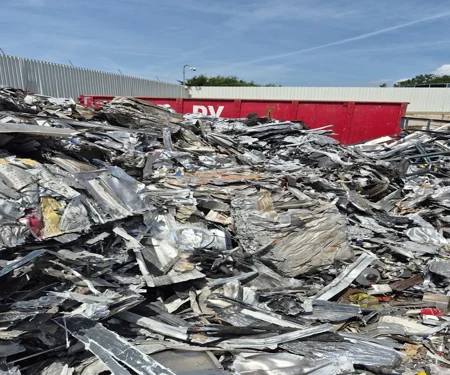
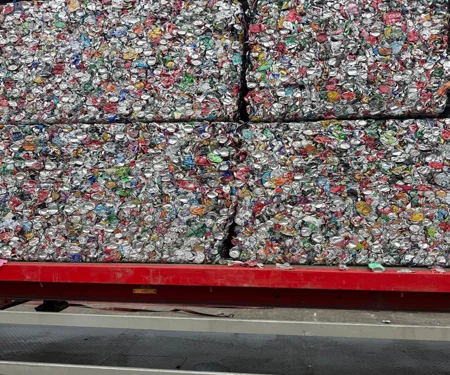
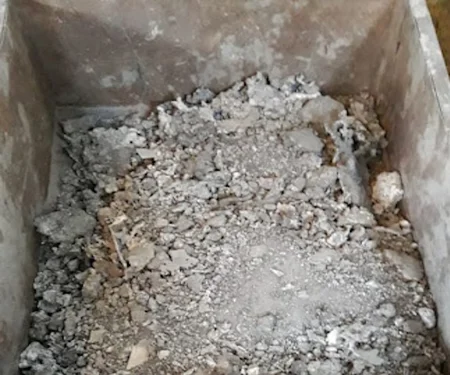
The image used in this article is generated with an AI tool and does not depict any real-time moment
On July 31, 2026, the European Commission published Implementing Regulation (EU) 2026/1740, correcting a number of default values, production-route indicators and product-code entries under the Carbon Border Adjustment Mechanism (CBAM). The corrections apply retroactively from January 1, 2026, meaning affected importers may need to revisit calculations already made for 2026 transactions.
For the aluminium sector, the latest correction does not materially change the main country-specific default values for CN 7601 unwrought aluminium. The more significant numerical revisions are instead concentrated in selected downstream aluminium products and precursor values, particularly under CN 7616.
For Tunisia, several aluminium entries were corrected following erroneous CN-code assignments in the original regulation. Under the corrected tables, the country-specific base default values for CN 7616 10 00, CN 7616 91 00 and CN 7616 99 90 are 1.440 tCO₂e per tonne, while CN 7616 99 10 is set at 0.760 tCO₂e per tonne. These corrected values are substantially lower than the fallback values that would otherwise have applied where no valid Tunisia-specific entry was available.
At the same time, the Commission raised two default values used for aluminium precursors where the country of production cannot be determined. The value for CN 7616 99 10 was corrected from 3.080 tCO₂e per tonne to 4.542 tCO₂e per tonne, while CN 7616 99 90 increased from 3.770 tCO₂e per tonne to 5.559 tCO₂e per tonne. Both revisions represent increases of approximately 47.5 per cent.
This means the July correction has different effects depending on the product and the availability of origin information. For certain Tunisian downstream aluminium products, the corrected country-specific values reduce the applicable default emissions intensity. By contrast, where the origin of relevant aluminium precursors cannot be established, the corrected Annex IV values result in a noticeably higher default emissions assumption.
The Commission has characterised the latest changes as corrections to transcription mistakes, CN-code mapping issues, missing or inaccurate production-route information and related technical errors, rather than a broader adjustment to the CBAM methodology itself. The underlying framework for applying default values remains unchanged.
The annual mark-ups applied to CBAM default values also remain unchanged. Under the current framework, the applicable mark-up is 10 per cent in 2026, 20 per cent in 2027 and 30 per cent from 2028 onward. The correction therefore mainly affects the underlying base values and technical classification of selected entries rather than the broader escalation mechanism.
Overall, the July update leaves the main primary aluminium default-value structure largely intact, while revising the treatment of selected fabricated aluminium products and unknown-origin precursors. For companies relying on default values, especially where precursor origin cannot be fully determined, the revised tables may alter the estimated embedded emissions and corresponding CBAM certificate exposure for affected 2026 imports.
Given that Regulation (EU) 2026/1740 applies from January 1, 2026, importers and exporters involved in the affected product categories may need to review earlier calculations and ensure that their CBAM reporting uses the corrected values.
Note: This article has been issued by SMM and has been published by AL Circle with its original information without any modifications or edits to the core subject/data.
From 67% to 80%: Crown Holdings steps up its recycled aluminium ambition for beverage cans
Next articleVoltalia eyes €120m IFC funding for solar, BESS projects through 2028
Grow with
AL Circle