From 67% to 80%: Crown Holdings steps up its recycled aluminium ambition for beverage cans

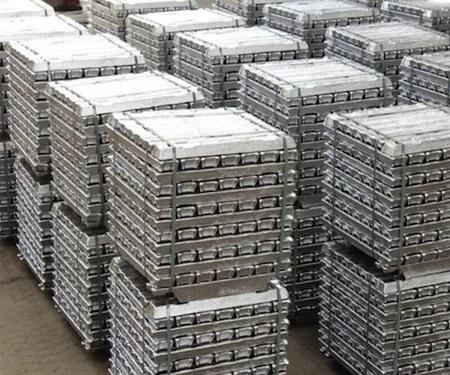
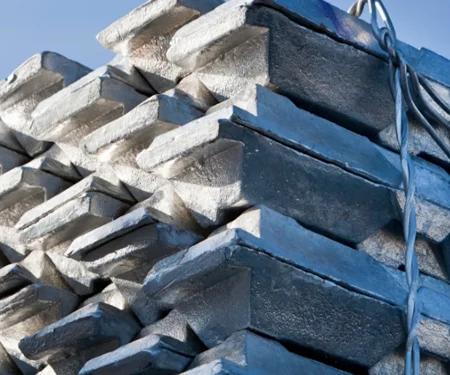
The image used in this article is generated with an AI tool and does not depict any real-time moment
What does it take to make an aluminium beverage can more sustainable? The answer is no longer limited to what happens on the production line. For Crown Holdings, it starts with the aluminium entering the plant, continues through energy and water use during manufacturing and extends to what happens to the can after it is used.
That wider picture runs through Crown’s 2025 Sustainability Report. As the company reaches the midpoint of its Twentyby30™ programme, the report brings together its progress on emissions, renewable energy, recycled aluminium, lightweighting, water, waste and responsible sourcing, while setting out the next stage of its sustainability ambitions.
For the aluminium industry, perhaps the most significant part is the growing focus on the material itself - from increasing recycled content in beverage cans to engaging with suppliers on emissions data and making a commitment around low-carbon primary aluminium.
How far has Crown moved on emissions?
Crown’s Scope 1 emissions rose from 531,870 tonnes of CO2e in 2019 to 562,894 tonnes in 2024, an increase of 5.8 per cent, before rising a further 2.9 per cent to 578,997 tonnes in 2025, leaving emissions 8.9 per cent higher than the 2019 baseline.
Scope 2 emissions have moved in the opposite direction. They fell from 846,255 tonnes of CO2e in 2019 to 463,038 tonnes in 2024 and then to 386,982 tonnes in 2025.
Crown's combined Scope 1 and 2 emissions therefore declined from 1,378,125 tonnes of CO2e in 2019 to 965,979 tonnes in 2025. The company reports a 30 per cent absolute reduction in combined Scope 1 and 2 emissions against its baseline.
The difference becomes more interesting when energy consumption is considered.
Crown’s electricity consumption was 7,883,257,005 megajoules in 2019, 7,914,066,032 megajoules in 2024 and 7,846,776,300 megajoules in 2025. That means electricity use was down by less than 0.5 per cent from 2019 to 2025, even as Scope 2 emissions declined substantially.
Renewable electricity accounted for 44 per cent of Crown’s global electricity mix in 2025. Its European virtual power purchase agreement is linked to a photovoltaic plant expected to generate 285 GWh annually, with Crown contracted for around 70 per cent of the output.
A Texas wind vPPA has supplied renewable electricity to Crown’s US and Canadian beverage can plants since 2020, and Crown says the project prevents more than 310,000 tonnes of GHG emissions annually. Crown also completed solar projects in Nevada, Minnesota and Spain during 2025. The company is targeting 75 per cent renewable energy by 2030 and 100 per centby 2040.
To learn the future of aluminium in the packaging industry, explore our report "ALuminium in Packaging: Consumer Trends and Market Dynamics"
The aluminium inside the can is becoming a bigger part of the climate conversation
For Crown, reducing the environmental footprint of a can cannot stop at the factory.
Purchased raw materials form a major part of its Scope 3 strategy, and the company says it works with aluminium, steel and other suppliers through sustainability reviews, site visits, third-party assessments and audits. Crown also collects supplier information on emissions factors and recycled content to improve its understanding of purchased-goods emissions.
Aluminium is particularly important. Crown procured 1,227,503 tonnes of aluminium in 2025, while recycled content in its beverage packaging reached 67 per cent. The company is targeting an average of 80 per cent recycled content in aluminium beverage cans by 2030.
Crown’s approach also extends to primary aluminium. In 2025, the company officially joined the World Economic Forum’s First Movers Coalition as part of its efforts to accelerate the decarbonisation of primary aluminium. Its commitment involves sourcing at least 10 per cent by volume of its primary aluminium procurement annually from low-carbon producers by 2030, under the First Movers Coalition definition of low-carbon aluminium.
What happens to the resources around the can?
Aluminium is only one part of Crown’s resource-efficiency programme.
The company says it achieved its 2025 target of reducing water withdrawal by 20 per cent, even as can production increased 30 per cent. Its next target is to reduce water withdrawal per 1,000 cans in beverage operations by 10 per cent from the 2025 baseline.
Total water withdrawal fell from 9,833.99 megaliters in 2019 to 7,838.47 megaliters in 2025.
Crown highlights a series of projects behind that progress. At Vichisa in Mexico, changes to the bottle-forming line reduced total water withdrawal by 9 per cent. The Tunis plant cut water consumption by 21 per cent through monitoring, training, metering and changes to washer systems.
In India, Signode’s Dahej facility harvested 3,400 cubic metres of rainwater and reused 360 cubic metres of treated water for gardening, while the Rudraram plant reduced municipal water consumption by 22% during the rainy season.
At Jeddah, water consumption fell 15 per cent in 2025, while a reverse-osmosis recycling system at Nong Khae in Thailand reduced freshwater withdrawal by 15 per cent. Crown also reported reductions at Cheraw in South Carolina, Dubai and Owatonna in Minnesota.
Waste is another part of the programme. Crown generated 361,844 tonnes of waste in 2025, of which 325,937 tonnes, or 90 per cent, was diverted from disposal. Recycled metal and plastic scrap accounted for 280,565 tonnes. The company reported 35,907 tonnes of waste disposed of, including 23,522 tonnes sent to landfill. Valencia achieved Zero Waste to Landfill certification in 2025.
The circularity effort continues beyond Crown’s factories.
In Brazil, around 35 billion cans are produced annually, with a 97 per cent recycling rate. A study supported by Crown through the Aluminium Stewardship Initiative’s CARE Project found that aluminium cans represented just 3 per cent of the material collected by informal waste pickers in Bogotá and Barranquilla, Colombia, but accounted for nearly 25 per cent of their income.
In the US, Crown says 40per cent of all recycled aluminium beverage cans come from the ten states with deposit programmes.
To explore trade opportunities of secondary aluminium, visit AL Biz
Can sustainability become part of everyday manufacturing?
Crown’s report suggests that the sustainability programme is increasingly being built into ordinary operating decisions rather than treated as a separate exercise.
The company is developing a “Net Zero Plant” roadmap involving its Technology R&D, Project Management & Engineering and CMB Engineering teams. The work covers existing plants, new production lines, greenfield sites and the technologies needed on the journey towards 2050.
Digital tools are becoming part of that effort. Crown says advanced sensors, vision systems, real-time data platforms and machine learning are being used to detect production anomalies, support predictive maintenance, optimise material use and improve line stability.
One example is an AI-driven can spoilage troubleshooting system that uses camera-based inspection and machine-learning models to classify defects, identify likely causes and recommend troubleshooting actions.
The wider programme also covers employee safety, responsible sourcing and product development. Crown reported an 18 per cent reduction in its Total Recordable Incident Rate since 2019. Its R&D programme also exceeded its commitment to devote at least 50 per cent of technology development efforts towards reducing the lifecycle footprint of products and manufacturing processes.
For an aluminium industry audience, however, the most significant thread may still be the material flowing through Crown’s supply chain. The company is increasing recycled content, working with suppliers on emissions data, supporting alloy development for higher recycled content, pursuing ASI certification and committing to source a share of its primary aluminium from low-carbon producers.
Unlock key insights from industry experts on sustainability moves in the aluminium industry with our magazine - Sustainability & Recycling: Aluminium's Dual Commitment
Continuum: The new benchmark for green aluminium billets
Next articleVoltalia eyes €120m IFC funding for solar, BESS projects through 2028
Grow with
AL Circle