Europe’s aluminium scrap exports to the US have risen by 243 per cent, highlighting a growing concern over the continent’s access to strategic raw materials as it pursues recycling, decarbonisation and industrial competitiveness. Evangelos Mytilineos, Executive Chairman of METLEN, raised the issue, linking scrap outflows to the broader challenges facing European industry, energy security and strategic autonomy. Aluminium scrap outflows raise industrial concerns Mytilineos referred to the contrasting US tariff treatment of aluminium products, i.e., a 50 per cent tariff on primary aluminium, compared with zero tariff on scrap . With European aluminium scrap exports to the US increasing by 243 per cent, he questioned whether Europe could strengthen its industrial base while allowing valuable...
The US aluminium used beverage can (UBC) scrap price benchmark tracked by Argus recorded a mixed performance over the third quarter of 2026, declining in July before rising in August and September. The monthly average increased from USD 2,322.89 per tonne in July to USD 2,491.22 per tonne in August and USD 2,602.51 per tonne in September, indicating a sustained recovery in the benchmark over the three months. July: Prices decline despite a high opening The benchmark began July at USD 2,464.98 per tonne on July 1, before falling sharply to USD 2,270.76 per tonne on July 3. The price remained at that level on July 2 and July 6, the lowest recorded price for the month. It subsequently recovered gradually, reaching USD 2,319.86 per tonne on July 10 and USD 2,328.63 per tonne on July 22....
Grow with
AL Circle

AlumaPower, Canada’s Sarnia-based manufacturer of aluminum-powered generators, has secured a C$4 million ($2.81 million) federal grant to advance its technology towards commercial launch. The funding, provided through the Federal Economic Development Agency for Southern Ontario (FedDev Ontario) under the Regional Defence Investment Initiative (RDII), would be reinforcing the company’s expansion into defense and telecommunications markets. Moving away from the traditional power-generating feedstock of diesel, the development also sends a signal to securing a greener future with aluminum recycling. Recycled aluminum technology moves towards market AlumaPower’s generator system uses recycled aluminum to produce electricity and has been under development with the Canadian military for the...
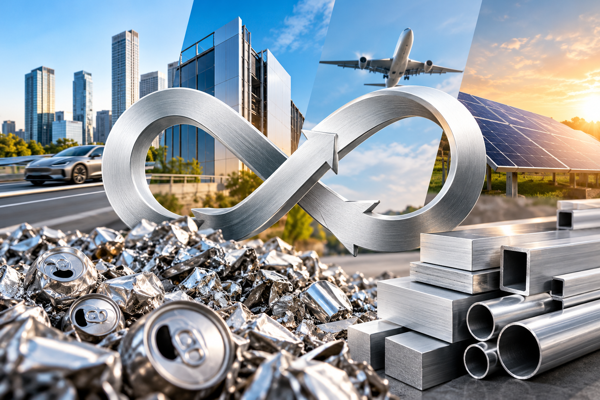
The aluminium industry is undergoing a data-driven transformation, with recycling now delivering up to 95 per cent energy savings, achieving a 75 per cent global can recycling rate, and processing nearly 42 million tonnes of scrap annually. These figures are not just environmental milestones—they are reshaping supply chains, pricing, and national strategies as primary aluminium faces structural deficits and carbon constraints. Where 1.5 billion tonnes of aluminium went Of the roughly 1.5 billion tonnes of aluminium produced since 1888, about 1.1 billion tonnes (around three-quarters) remained in productive use in the 2019 estimate. Within that total, approximately 750 million tonnes were still in their first use, while about 370 million tonnes had been recycled and reused. In other words,...
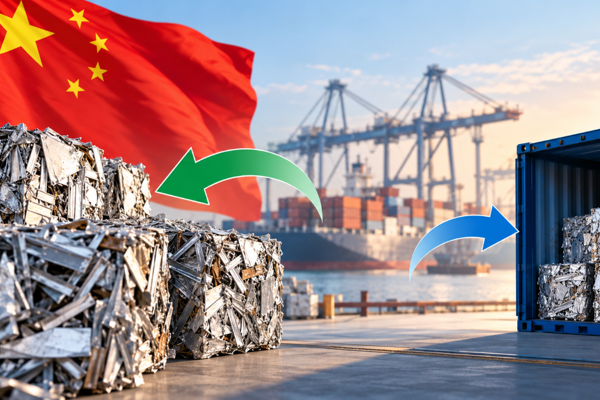
China’s aluminium scrap market lost some momentum in the first half of 2026, with imports falling from a year earlier as higher prices, tighter overseas availability and weaker demand weighed on buying activity. Despite the decline, imports remained above the level recorded two years earlier. China imported 981,000 tonnes of aluminium scrap from the World in H1 2026, down 3.2 per cent from 1 million tonnes in H1 2025. The latest volume was, however, 3.6 per cent higher than the 947,000 tonnes imported in H1 2024. The H1 2026 total comprised 526,000 tonnes in Q1 and 455,000 tonnes in Q2, compared with 507,000 tonnes and 506,000 tonnes, respectively, in H1 2025. Overseas supply becomes a key constraint The weaker import performance came as Chinese buyers faced a less favourable...

Yamaha Motor Co. Ltd. will progressively replace conventional virgin aluminum with recycled aluminum alloy in its proprietary all-aluminum DiASil Cylinders, marking a move to recycled materials in a high-performance motorcycle component. Once the transition is completed across all products using DiASil Cylinders, targeted for 2030, Yamaha estimates that the switch will reduce CO2 emissions by approximately 47,000 tonnes annually. The transition will initially begin with commuter motorcycle models produced in Indonesia before a planned global rollout. Recycled aluminum meets DiASil requirements The DiASil Cylinder is an all-aluminum cylinder design that requires neither an iron sleeve nor plating. Yamaha Motor developed and deployed the technology in 2002 and uses it across a range of...
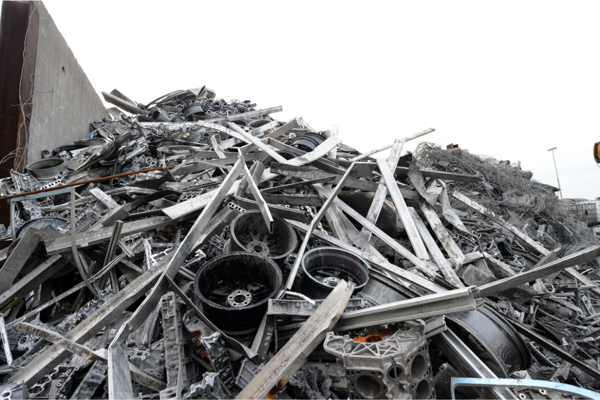
Coimbatore-based MSME and industry associations have urged the Government of India to facilitate and encourage imports of aluminium scrap, citing reported shortages of essential metals and rising production costs affecting local manufacturers. In a representation sent to Prime Minister Narendra Modi, the associations identified aluminium, steel, copper and pig iron among raw materials facing supply pressure and price volatility. While the representation described the broader situation as an “acute and unprecedented” increase in prices and shortages, the report specifically quantified the recent price rise only for steel, which reportedly increased by around INR 8,000–10,000 (USD 83.07–103.83) per tonne between August and September 2026. Join the fourth edition of the webinar "Hedging for...
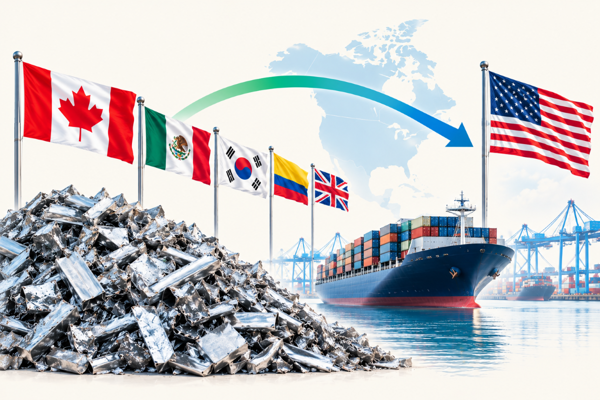
The US aluminum industry is becoming increasingly dependent on aluminum scrap, with the Aluminum Association noting that 85% of aluminum produced in the US comes from secondary sources. Against this backdrop, US imports of aluminum scrap have continued to rise year-on-year. During January-June, or the first half (H1) of 2026, the US imported 580,000 metric tons of aluminum scrap, valued at $2.07 billion. The US-Canada trade relations are a recurring headline with tariff and duty updates from both sides. Interestingly, when it comes to aluminum scrap trade, Canada accounts for a staggering 63.62% share as a supplier to the US. Join the fourth edition of the webinar "Hedging for recyclers - Become an expert in 6 hours" by Jorge Dyszel. The H1 growth chart: 2026 vs 2025 vs 2024 Comparing the...

Germany is on track to generate over 600,000 tonnes of solar PV waste by 2030, creating a major recovery opportunity for aluminium and silver. A new study by the Fraunhofer Centre for Silicon Photovoltaics (CSP) highlights the approximate raw-material value locked in the country’s installed solar fleet. At the same time, it identifies a key challenge of an efficient recovery of the trapped aluminium and silver. Germany had roughly 5.35 tonnes of PV modules installed by 2023, containing around 660,000 tonnes of aluminium and 3,900 tonnes of silver, with a combined value of about EUR 4.8 billion (USD 5.4 billion) at current prices. These figures have risen considerably since 2023 and would need to almost double by 2030 if Germany is to meet its solar deployment targets. However, turning...
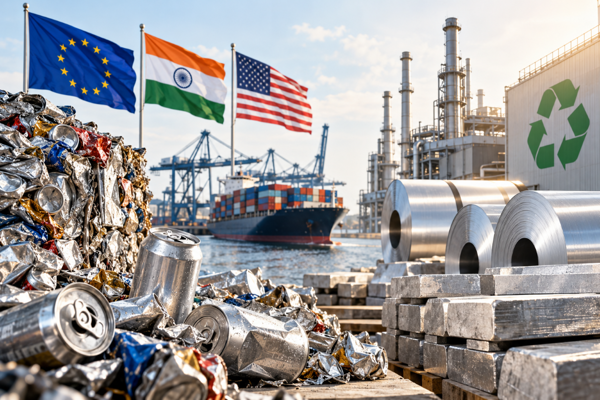
Aluminium recycling is supposed to be the industry’s easiest win — economic and eco-friendly. Interestingly, this is where the plot thickens. Aluminium recycling is moving from a sustainability objective to a strategic supply-chain issue, with scrap availability, domestic recovery, cross-border waste rules and decarbonisation policy influencing where recycled metal can be produced and consumed. Recent developments across Europe, such as the UK and Greece, in the US and India reveal that investment in recycling is accelerating, but access to suitable scrap and the rules governing its movement are becoming equally important. Join the fourth edition of the webinar "Hedging for recyclers - Become an expert in 6 hours" by Jorge Dyszel. Europe wants more recycled aluminium, but what is the...
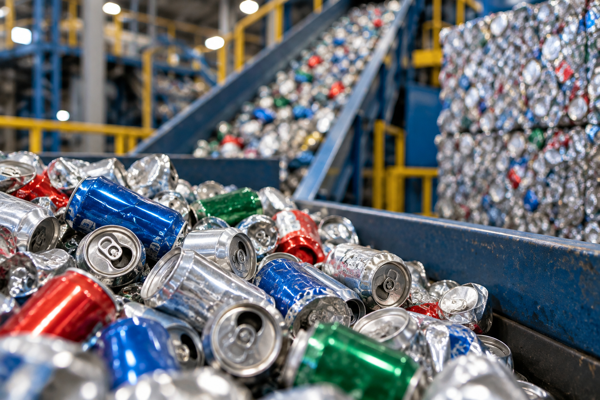
The US aluminum beverage can industry is stepping up efforts to recover more used cans as it works toward a 70% aluminum can recycling rate by 2030. The latest push is focusing on a critical weakness in the recycling chain: cans that enter the system but are lost during collection and sorting. The Can Manufacturers Institute (CMI) is pursuing a combination of improved material recovery facility (MRF) sorting, stronger collection systems, deposit return programs, extended producer responsibility (EPR) schemes and consumer education to increase the amount of aluminum flowing back into the domestic recycling system. Roxanne Sharif, CMI’s director of sustainability, outlined the industry’s priorities during Climate Week NYC, where representatives from across the aluminum supply chain...
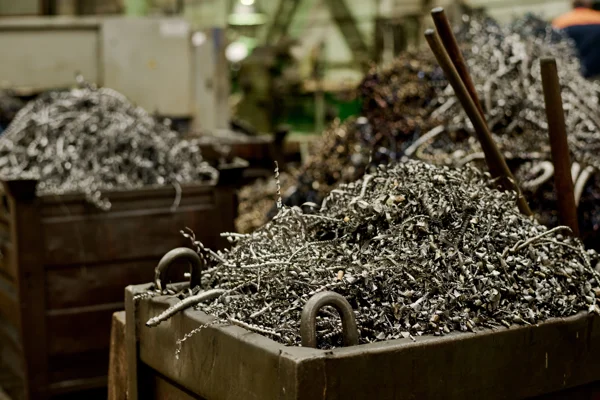
Hydro is calling for stronger measures to keep more aluminium scrap in Europe and support investment in the region’s recycling capacity. The company made the call during European Commission Executive Vice-President Stéphane Séjourné’s visit to Hydro’s aluminium recycling plant in Clervaux, Luxembourg. The facility processes post-consumer aluminium scrap from vehicles, buildings and infrastructure and has an annual capacity of 115,000 tonnes. Discussions during the visit covered aluminium scrap exports, the EU Waste Shipment Regulation and the policy conditions needed to support recycling in Europe. Rising scrap exports pressure recyclers The EU is considering a 15 per cent levy on aluminium scrap exports to retain more recyclable metal within Europe. The proposal comes as EU scrap exports...
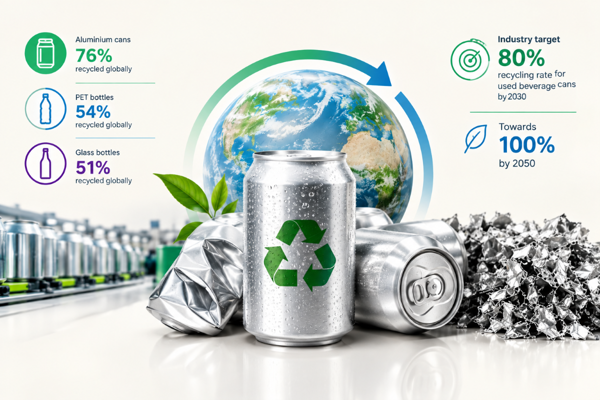
Aluminium cans are maintaining a clear lead in global beverage container recycling, with the latest 2026 data depicting a jump in aluminium can recycling rate from 74.8 per cent to 76 per cent. The figures place aluminium well ahead of PET bottles and glass bottles, highlighting the role of beverage cans in the global circular economy. Aluminium cans with clear recycling edge The 2026 Global Beverage Container Recycling Dataset, released by the Global Beverage Can Circularity Alliance (GBCCA), shows a significant gap between aluminium cans and other major beverage packaging formats. Globally, 77 per cent of aluminium cans are collected for recycling and 76 per cent are recycled. By comparison, PET bottles record collection and recycling rates of 69 per cent and 54 per cent, respectively,...
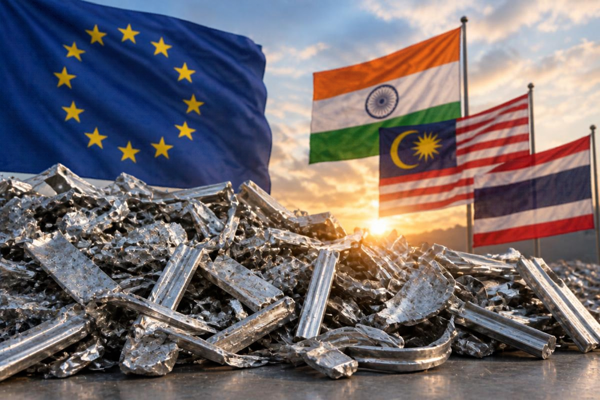
The EU aluminium scrap market could face disruption if proposed changes to the Waste Shipment Regulation (WSR) restrict access to major Asian recycling destinations, the Bureau of International Recycling (BIR) has warned. The Brussels-based association issued its response after the European Commission published a draft proposal on September 18 listing non-OECD countries authorised to receive certain non-hazardous materials from the EU . Excluding countries such as India , Malaysia and Thailand from authorised destinations for ferrous and nonferrous metals could weaken recycled material markets rather than strengthen Europe’s recycling capacity. Join the fourth edition of the webinar “Hedging for recyclers - Become an expert in 6 hours” by Jorge Dyszel. At the centre of BIR’s concern is...
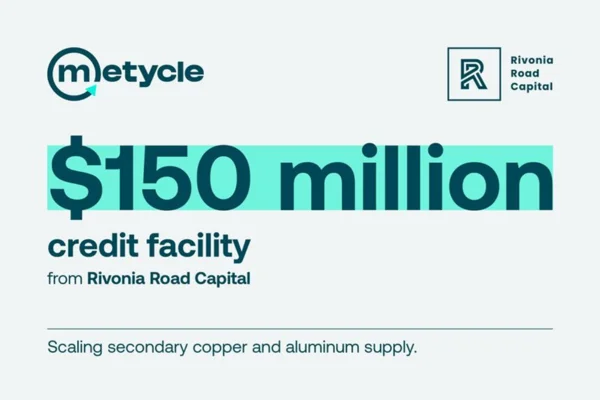
Metycle , a global supplier of secondary copper and aluminium, has secured a USD 150 million credit facility from Rivonia Road Capital, a global private capital manager focused on asset-backed lending. The financing will support eligible transactions across the full trade cycle from supplier payment through buyer settlement, enabling Metycle to execute larger transactions, move greater volumes of secondary metals, and expand supply to industrial buyers and smelters. It also provides a repeatable framework for financing complex physical commodity transactions with institutional private credit, enabling faster execution for suppliers and larger, more consistent flows of specified secondary feedstock for customers. “Secondary metals do not lack demand. They lack predictability. Our...
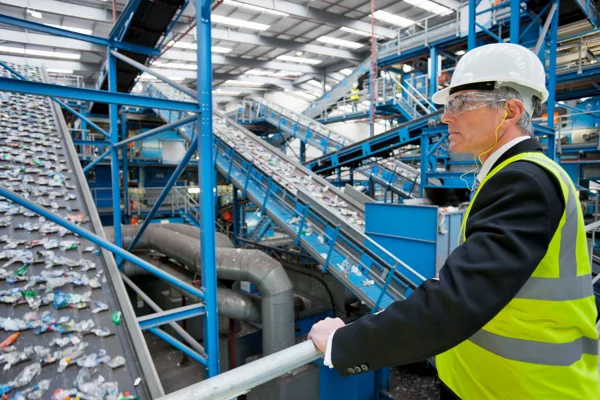
The United States is sending more than $1 billion worth of aluminum cans to landfills each year, even as it relies heavily on imports of the metal. According to London-based AI waste intelligence company Greyparrot, the discarded cans represent around 11 million megawatt-hours of wasted energy annually. The scale of the lost material becomes clearer at the recycling plant level. Data from Greyparrot’s Analyzer systems at Circular Services’ Sunset Park material recovery facility (MRF) in Brooklyn, New York, shows that 89 percent of aluminum reaching the sorting belt is recoverable. The facility processes roughly 91,000 cans per day, equivalent to about 514 metric tons per year, and recovers nearly nine out of every 10 cans that pass through its sorting lines. Greyparrot released the...
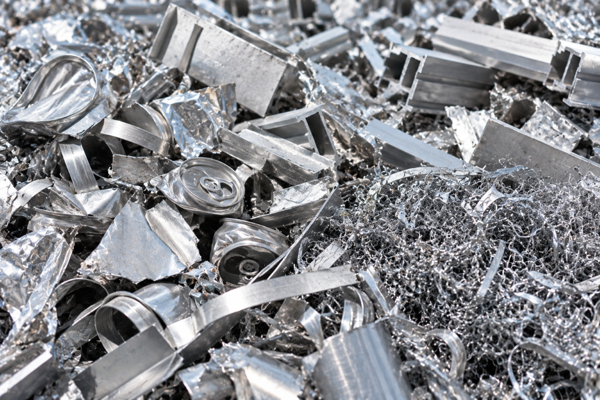
Neuman Aluminium has upgraded a melting furnace at its Marktl headquarters in Austria, improving its ability to process low-density aluminium scrap for the production of aluminium slugs used in packaging and technical applications. The furnace retrofit comes as customers increasingly seek products with higher levels of post-consumer recycled (PCR) aluminium. By adapting its existing melting and recycling setup, Neuman aims to handle a wider range of challenging scrap streams while maintaining the quality requirements of impact-extruded aluminium products. Furnace retrofit strengthens aluminium recycling The project involved the refurbishment of an existing melting furnace and the installation of a Typhoon™ chip submersion system from Zmag. Neuman also renewed the furnace door system,...
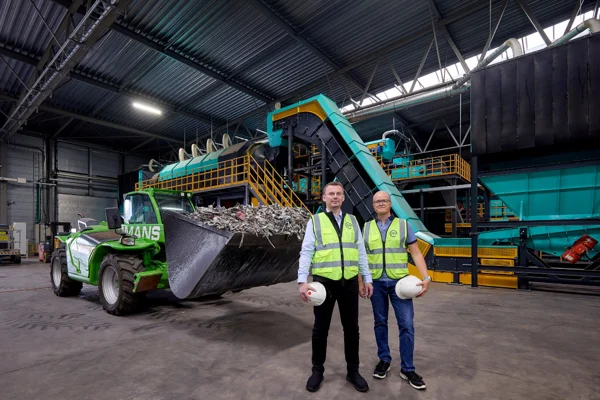
From alloy-level sorting to the intelligence behind each batch, Metycle is connecting aluminium recycling with industrial supply. Explore the model at ALUMINIUM 2026, Hall 6, Booth 6F19, and join the SmartSorting Hub Opening Night on 7 October in Düsseldorf. Aluminium does not become interchangeable when it becomes scrap. A window profile, a vehicle panel and a cast component may enter the same recycling stream, but their chemistry still matters. Recovering the metal is one task. Preserving the alloy value is another. For an industrial buyer, the distinction is practical: which material fits the next melt, what evidence supports its specification, and how reliably can it be supplied? Metycle is building its business around those questions. The vertically integrated secondary metals...
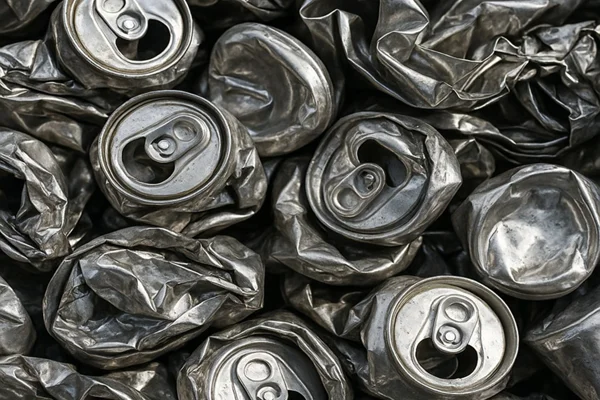
Constellium’s plans to expand aluminium recycling in the European Union could be put on hold if the region fails to secure enough aluminium scrap, with exports to overseas markets contributing to a shortage of raw material for European producers. The company is reviewing aluminium recycling projects across its packaging, automotive and aerospace divisions. CEO Ingrid Joerg told Reuters that the projects could be larger or smaller than the EUR 130 million (USD 148.82 million) recycling expansion at Constellium’s Neuf-Brisach plant in France. “We have several recycling projects in the pipeline that we are investigating. But if there’s no scrap, they’re not going to happen,” Joerg said. EU aluminium scrap policy under scrutiny The availability of aluminium scrap has become a key concern for...
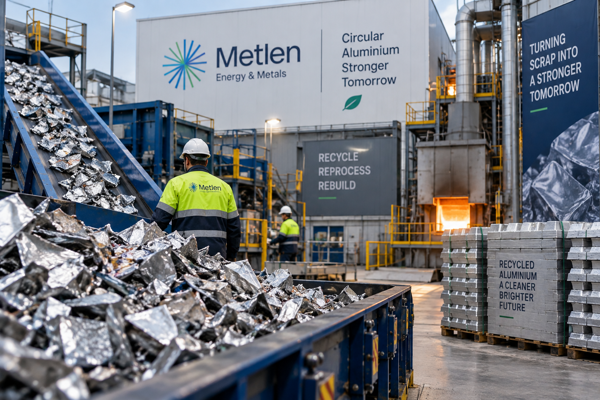
Metlen Energy & Metals PLC is investing EUR 25 million in its recycled aluminium production facility EP.AL.ME. in Greece, targeting higher processing capacity and greater use of complex aluminium scrap streams. The investment will fund automated sorting, processing and melting equipment at EP.AL.ME., which Metlen describes as Greece’s largest independent recycled aluminium producer. The project will allow the facility to process more complex scrap, including post-consumer aluminium recovered from end-of-life products. The expansion will connect EP.AL.ME. more closely with Metlen’s Aluminium of Greece facility. EP.AL.ME. will manage the collection, sorting and pre-processing of aluminium scrap, while Aluminium of Greece will provide the production scale needed to incorporate recycled metal...