Vedanta goes 1k metres deep in India’s critical-mineral hunt
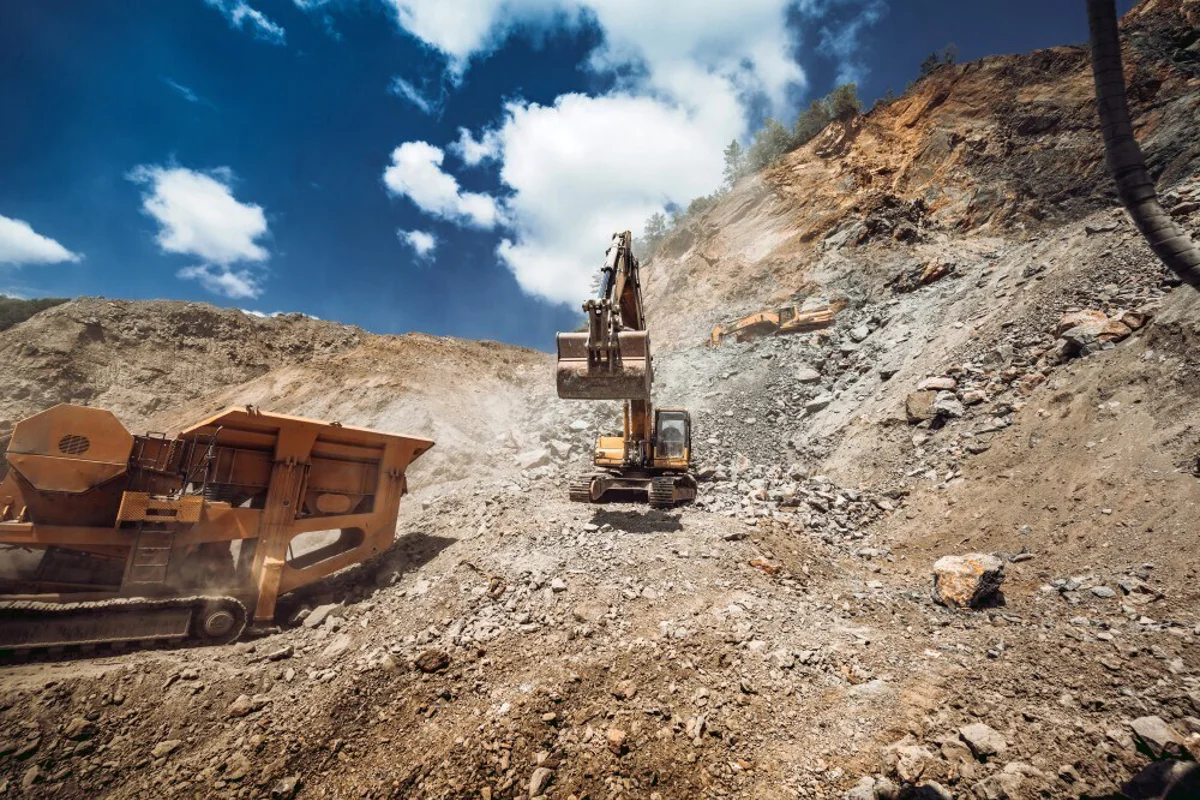
Stock image for referential purposes only
Before India can mine more nickel, copper or rare earths, it first has to find them. Vedanta has deployed what it describes as India’s first high-speed hydrostatic portable drilling rig in Chhattisgarh, designed to investigate mineral targets as deep as 1,000 metres below ground.
The rig is being used at two projects targeting gold and critical minerals, including nickel, chromium and platinum-group elements. Vedanta says conventional drilling equipment typically reaches 300 to 400 metres, leaving deeper geological targets harder to investigate.
The search starts before the mine
The new machine is not a mine, nor evidence that an economic deposit has been found. It is an exploration tool intended to collect geological information from deeper underground before a project can progress to resource definition, feasibility studies and, potentially, mining.
Its hydrostatic system uses pressurised fluid to drive drilling operations, while its portable configuration is designed for use in remote and difficult terrain. Vedanta said this can reduce time spent moving equipment between sites, supporting faster exploration with less site disruption.
The company said the equipment has been deployed at sites in Chhattisgarh, including targets for nickel, chromium, platinum-group elements and gold. These materials have potential uses across batteries, charging infrastructure, electronics, hydrogen technologies, medical applications and high-reliability equipment.
To learn about the market potential of aluminium dross, explore "ALuminium Dross Processing: Generation, Recovery & Strategic Roadmap"
A deeper test for Chhattisgarh
Chhattisgarh’s two exploration projects have become an early test of whether new drilling technology can help accelerate India’s search for minerals currently sourced heavily from overseas markets.
Vedanta said it has secured 10 critical-mineral blocks covering gold, manganese, copper, nickel-chromium-platinum-group elements, tungsten, graphite, vanadium, rare earth elements and potash. Exploration is under way at five of the blocks.
The company has also been declared the successful bidder for the Punnam manganese block in Andhra Pradesh, adding to its exploration portfolio.
The scale of that portfolio is important because critical-mineral development is a long process. A successful auction does not guarantee a mine: companies must first prove the size, grade, geometry and economic viability of a deposit. Deep drilling can help determine whether targets at depth are worth further investment.
More than an equipment upgrade
Vedanta is positioning the new rig as part of its broader “Vedanta 2.0” strategy, which centres on technology-led growth, critical minerals and greater value-added processing. The group has mineral assets in India, South Africa, Namibia, Liberia and Zambia, and says it intends to build its exploration, mining and processing presence across additional jurisdictions.
The company said the rig can improve safety and operational efficiency while supporting “faster, less intrusive exploration” of mineral reserves.
The timing reflects a wider shift in global supply chains. Copper and nickel are vital to electrification, data centres, artificial-intelligence infrastructure and electric mobility. Graphite is used in lithium-ion battery anodes, while rare earth elements are needed in technologies such as electric motors, wind turbines and electronics.
Vedanta cited estimates that global demand for critical minerals used in clean-energy technologies could nearly triple by 2030 under the International Energy Agency’s Net Zero Emissions Scenario and quadruple by 2040 to close to 40 million tonnes a year.
To explore trade opportunities of aluminium consumables, visit AL Biz
What comes next
The most significant outcome will not be the rig itself, but the data it produces. Drilling deeper may identify promising mineralisation, but it does not establish that a commercial resource exists.
If exploration results are encouraging, the next steps would typically involve more drilling, independent resource estimation, engineering studies, environmental approvals, financing and infrastructure planning. Those stages can take years.
For now, Vedanta’s new equipment gives the company a way to look below the depth range of conventional drilling in difficult terrain. In a country seeking more secure supplies of critical minerals, that early exploration capability could matter as much as the mine eventually built above it.
Unlock key insights from leading companies and experts across the aluminium ecosystem with our e-Magazine - Mine to Market: Aluminium Producers & Manufacturers 2026
Alcoa breaks ground on gallium plant targeting 10% of global demand
Next articleUS backs Serra Verde rare earth with $750m, aims to reduce China dependence
Grow with
AL Circle