US researchers develop aluminium alloys that cut truck engine weight by 15%
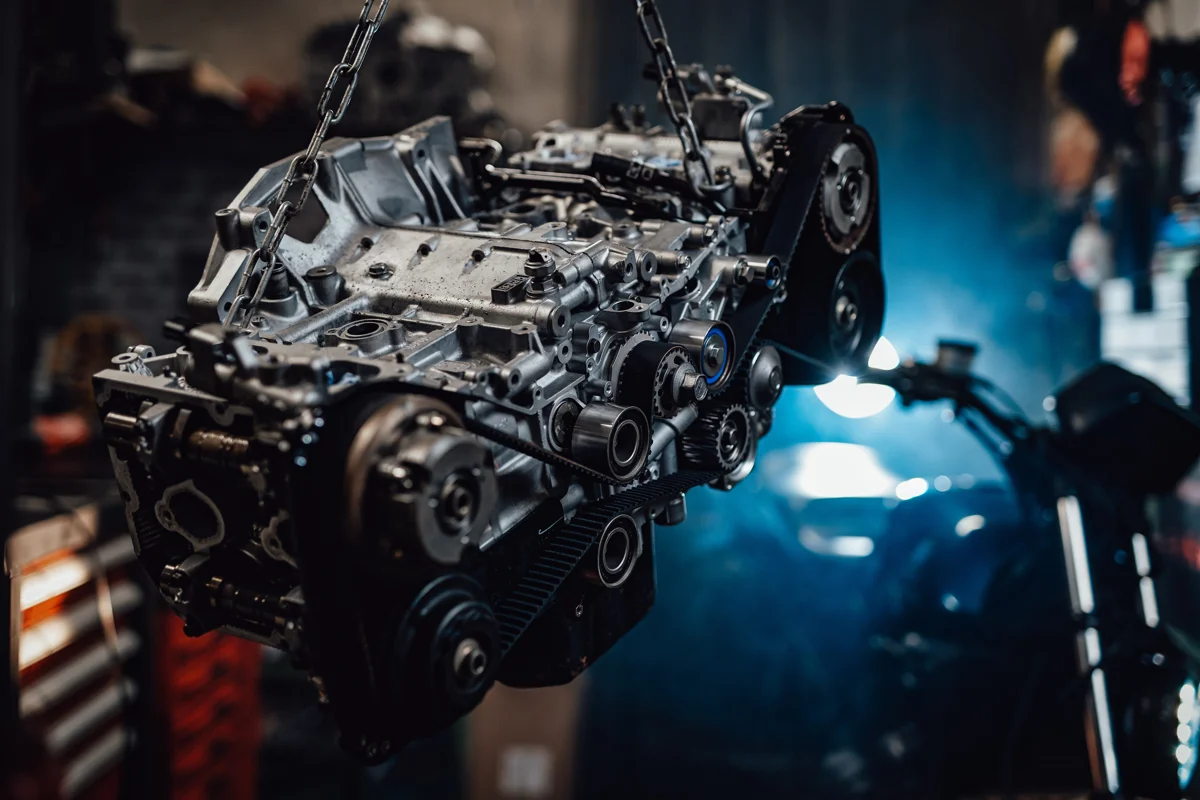
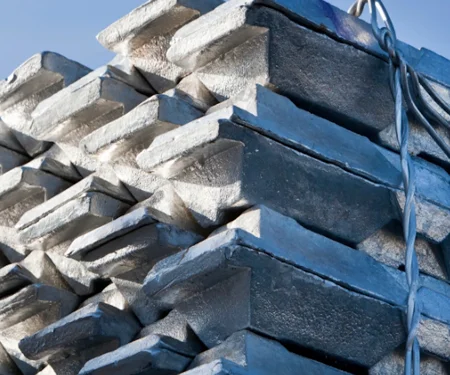
Stock image for referential purposes only
Researchers in the United States have demonstrated new aluminium alloys that can reduce the weight of truck engines by about 15 per cent while improving fuel efficiency by more than 10 per cent in tests carried out on a General Motors prototype engine.
The work was led by the Oak Ridge National Laboratory (ORNL), which operates under the US Department of Energy. The Office of Transportation Technologies funded the project and carried it out in collaboration with General Motors.
The research focused on a Low Mass High Efficiency (LMHE) engine. The prototype was designed to meet requirements for strength, durability, performance and long-term operation while reducing overall engine weight.
During the project, ORNL tested two aluminium alloys. The first was ACMZ, also known as AlCuMnZr, a cast aluminium alloy. The other was DuAlumin3D, an aluminium alloy developed for 3D printing. Together, the materials helped lower engine weight without limiting strength or durability.
New materials bring laboratory research closer to commercial engines
Commercial pickup truck engines that are used in the Chevrolet Silverado 3500 must operate under heavy loads and demanding conditions. But the main problem is the added weight of stronger metals required for durability, which can reduce fuel efficiency.
Lighter materials can improve fuel economy, but many lightweight metals cannot withstand the high temperatures and pressures found in high-performance commercial engines. This increases the risk of wear and premature failure.
Explore: The most comprehensive and forward-looking industry-focused report “ALuminium in Packaging: Consumer Trends and Market Dynamics”
The ACMZ alloy was used in the engine block and cylinder heads of the LMHE engine. According to the research team, the alloy was designed to provide high strength while maintaining reasonable costs and resistance to heat and mechanical stress.
DuAlumin3D was developed for advanced piston applications. The alloy combines low weight with high strength and durability at elevated temperatures, making it suitable for demanding engine environments.
Allen Haynes of the TTO Powertrain Materials Core Program said the goal was to demonstrate lighter and more efficient engines for high-volume commercial trucks without sacrificing power or performance.
In addition to the new alloys, the LMHE engine incorporated advanced combustion technologies, manufacturing methods and other materials. The complete system was subjected to extensive performance and durability testing.
Amit Shyam, who leads the Alloy Design and Behaviour Group at ORNL, said the results reflected the work carried out by GM’s engineering and design teams. He noted that reducing engine weight can help improve fuel economy and overall vehicle efficiency.
The project combined materials science, advanced manufacturing, combustion technology and computational modelling. It brought together industry partners, researchers, suppliers and universities working on commercial engine development.
According to ORNL, its accelerated alloy design process can move a new material from concept to real prototype applications within two to four years. Traditionally, the same process could take between 10 and 15 years.
For forward-thinking aluminium market insights amidst supply chain and price challenges, read "ALuminium LeaderSpeak 2026"
Researchers said the shorter development timeline helps reduce costs and lowers the risks associated with moving new technologies from the laboratory to commercial use.
The project team, led by GM with support from ORNL and industry suppliers, received the 2025 R&D 100 Award and the 2025 Department of Energy Team Award.
Both alloys had previously received recognition. ACMZ won an R&D 100 Award in 2017, while DuAlumin3D received recognition in 2022 for its contribution to the development of lightweight, high-temperature aluminium materials.
ORNL is managed by UT-Battelle for the US Department of Energy Office of Science. The research represents ongoing efforts to develop lighter truck engines that improve efficiency while maintaining the durability required for commercial applications.

Dongfeng’s advanced die-casting facility cuts vehicle component production to minutes
Next articleAluminium over copper solar cable? FRCABLE’s cost-efficient metal alternative
Grow with
AL Circle