US aluminium extruders seek tighter Treasury rules on solar tax credits to curb import loophole

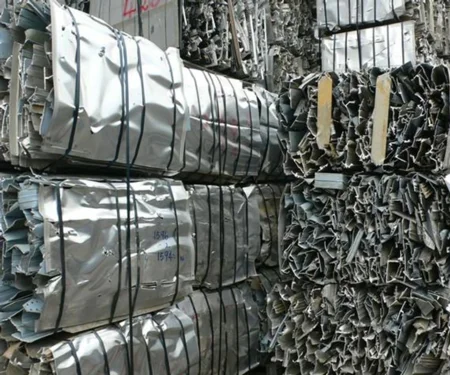
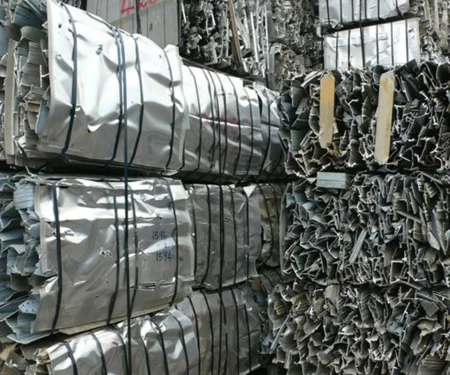
Stock image for referential purposes only
The Coalition for a Prosperous America (CPA) and the Aluminum Extruders Council (AEC) have urged the US Treasury Department and Internal Revenue Service to tighten the eligibility criteria for domestic content bonus credits. Submitting a joint white paper to Treasury Secretary Scott Bessent, the organisations called for aluminium extrusion for solar module frames to be carried out within the US to qualify as domestically manufactured components under the Section 45Y and 48E domestic content bonus credits.
The industry groups argue that the absence of clear guidance has created a loophole allowing imported aluminium extrusions to qualify for domestic incentives after undergoing only minor fabrication processes, such as cutting to length and punching holes, within the US.
The global aluminium casting usage is expected to reach 24.2 million tonnes in 2026. To know about the future market trends, prebook our upcoming report “Global Aluminium Casting Market 2026-2032”
Aluminium extrusion: The key manufacturing stage
According to the white paper, aluminium extrusion represents the most significant manufacturing stage in solar frame production, accounting for approximately 61 per cent of manufacturing costs and 52 per cent of capital investment. The process involves forcing heated aluminium billets through precision dies to create engineered frame profiles.
Three regulatory frameworks, viz., IRS Notice 2023-38, the Federal Transit Administration's Buy America regulations, and the US Department of Commerce's anti-dumping and countervailing duty scope covering aluminium extrusions – all identify extrusion as the manufacturing step that establishes product origin.
Domestic content bonus can increase a project's investment or production tax credit by 10 percentage points, while aluminium frames contribute around 4 to 8.5 per cent of a solar module's domestic content share, thereby making origin decisive enough for projects seeking qualification.
By contrast, downstream fabrication activities like cutting and punching are characterised as "mere assembly" under existing Buy America provisions.
Independent due diligence noted several US solar module manufacturers currently claiming domestic content status despite relying on aluminium profiles extruded outside the country, with only fabrication completed domestically.
Therefore, CPA and AEC mentioned, “the most significant manufacturing investment, extrusion, continues to occur overseas, while companies nonetheless claim the domestic content bonus.”
Concerns over domestic manufacturing incentives
CPA and AEC contend that the current interpretation undermines the objective of the domestic content bonus, which was to expand US manufacturing capacity and reduce dependence on imported supplies.
The organisations estimate that more than 125,000 Americans work in downstream aluminium industries, including extrusion and fabrication, marking about 97 per cent of the sector's workforce. Fewer than 4,000 workers are employed in primary aluminium smelting.
Unlock key insights from leading companies and experts across the aluminium ecosystem with our e-Magazine - Mine to Market: ALuminium Producers & Manufacturers 2026
Call for clearer guidance
CPA and AEC urged the Treasury Department and the Internal Revenue Service to issue regulations or formal guidance clarifying Congress' objective, i.e., “bringing real, capital-intensive manufacturing back to the United States.”
CPA President Jon Toomey addressed the urgency to ensure that companies do not receive incentives despite “importing a Chinese-extruded frame and punching a few holes in it in a US warehouse.”
He asserted, “Extrusion is where the capital, the jobs, and the value are.”
The organisations believe clearer rules would provide greater certainty for manufacturers investing in US aluminium extrusion capacity while ensuring the policy better reflects its original objective of strengthening domestic industrial production.
Why does China continue to lead global aluminium foil consumption despite changing market dynamics?
Next articleWisconsin Aluminum Foundry honoured with 2026 Metal Caster of the Year recognition
Grow with
AL Circle