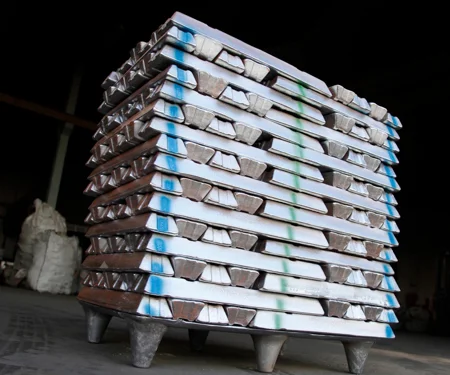
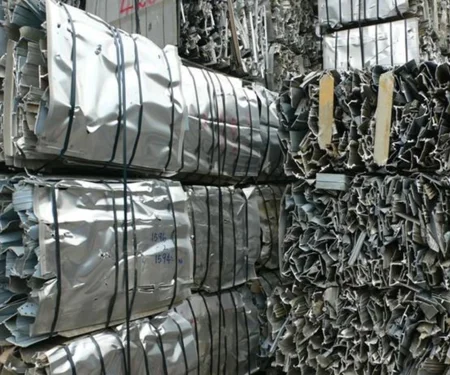
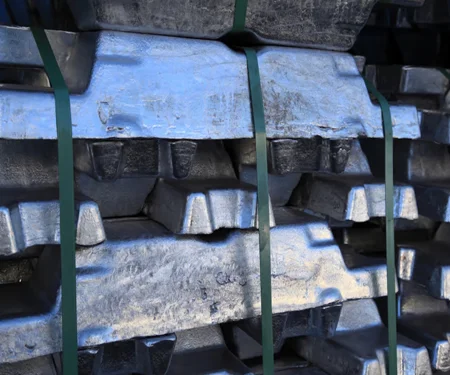
Aluminium businesses, brace yourselves as your base metal commodities are getting pricier, and it’s not just a minor blip. The latest round of US tariffs on steel and aluminium imports is sending shockwaves through industries that rely on these materials. From roofing to manufacturing, businesses, as well as homeowners, are starting to feel the pinch. And, with no exemptions in sight, the future looks even tougher for those loyal to aluminium.
Image Source: https://www.rcmindustries.com/
A roof too far? Here’s why homeowners are ditching metal roofing
Metal roofing has always been a premium choice, known for its durability and sleek aesthetics. But now, thanks to the US government’s 25 per cent tariff on imported steel and aluminium, the cost is becoming prohibitively high.
The numbers are stark, with the average cost of a metal roof in the US now sitting at USD 11,711, with prices ranging anywhere from USD 5,728 to USD 17,707 depending on size and material. And that’s before factoring in the fresh wave of tariffs. Mark Graham, VP of technical services at the National Roofing Contractors Association (NRCA), warns that prices are only heading in one direction—up.
“There’s a lot of price volatility right now,” Graham told Yahoo Local. “This will definitely impact pricing and potentially impact availability.”
Roofing contractors are scrambling to adapt, with many shifting away from aluminium in favour of more affordable alternatives. “What I’m seeing a lot of contractors and designers doing is switching away from aluminium and going to alternative metals that aren’t quite as high-priced right now,” Graham added.
For homeowners, the hike leads to making tough choices wherein some are opting for traditional asphalt shingles, and others are delaying roofing projects altogether, hoping for a market correction that may never come.
From fasteners to fiascos: How small manufacturers are struggling
It’s not just large-scale projects like roofing that are feeling the burn. The manufacturing sector, particularly small businesses that rely on aluminium and steel is also struggling under the weight of rising costs. Even the smallest components, like screws, bolts, and nails, are becoming more expensive.
“The production capacity we need doesn’t exist here in the US,” said Gene Simpson, president of Illinois-based fastener maker Semblex, in an interview with The Wall Street Journal. “It’s a select group of suppliers.”
Manufacturers have been here before. Back in 2018, a similar tariff led to price hikes across the construction industry, and history appears to be repeating itself. This time, though, there’s a growing sense of fatigue. Many businesses that survived the previous wave of tariffs are now wondering if they can absorb yet another cost surge.
Beyond the US: Global ripples in the aluminium market
The pain isn’t limited to the US. Across the Pacific, 42.8 per cent of small and medium enterprises in South Korea report that their exports and sales have taken a hit due to these tariffs. A government survey revealed that nearly 38.2 per cent of businesses cited rising logistics costs as a major challenge, while 36.5 per cent struggled with the expenses of diversifying export markets.
India is also closely monitoring the impact, with the government evaluating whether retaliatory tariffs might be necessary. Minister of State for Commerce and Industry Jitin Prasada confirmed that India is actively negotiating with the US to mitigate these impacts.
What’s next for aluminium businesses and consumers?
For those who have long championed aluminium as the go-to material—whether for its sustainability, lightweight properties, or corrosion resistance—these developments are disheartening. But all hope is not lost.
Businesses are adapting. Some manufacturers are looking to source aluminium from non-tariffed regions, while others are investing in recycled aluminium as a way to cut costs. The roofing industry is exploring alternative materials, and governments are still at the negotiating table.
One thing is clear! Like gold’s stance, aluminium also isn’t leaving the market (fingers crossed), but its price tag might continue climbing. Enthusiasts, investors, and businesses will need to stay nimble in this unpredictable market.
Will aluminium reclaim its affordability, or will it remain a luxury choice? Only time will tell, but for now, the price surge is forcing industries and individuals to rethink their options.