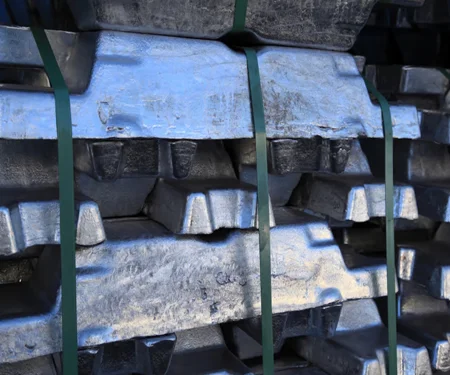
India's engineering goods exports experienced a decline in value during February 2025, marking the first monthly fall since April 2024, affected by slower exports of aluminium, steel, copper, and iron. According to the Engineering Export Promotion Council (EEPC), India's export value stood at $9.4 billion in the specific month, compared to $9.08 billion a year ago. That reflected an 8.62 per cent decline, bringing the past nine-month growth streak to an end.
However, despite the monthly fall in February, cumulative export value for the past ten months continued to show growth, with a moderate year-on-year increase of 7.98 per cent. Interestingly, the export value for the period from April to February FY2025 reached an all-time high, amounting to $105.85 billion versus $98.03 billion during the corresponding period of the previous year.
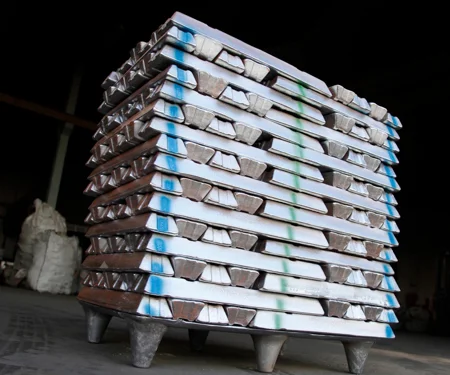
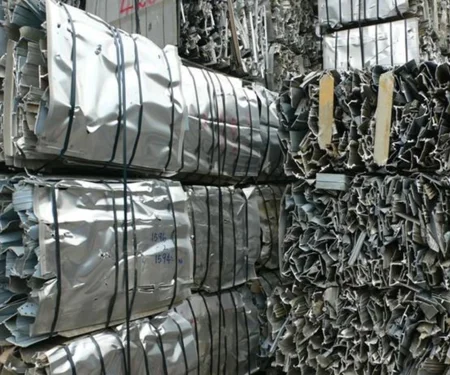
Breaking down the engineering exports by product type, data indicates that the decline in February was primarily driven by aluminium and aluminium products, marking a 58 per cent Y-o-Y fall in value. Meanwhile, the worth of iron and steel exports plunged by 40 per cent, and that of ships, boats, aircraft, spacecraft, and their components recorded a substantial fall.
India's aluminium exports – value vs volume
Taking a slightly deeper dive into India's aluminium export value, the decline in February reflected a broader trend from the past year. According to official trade data, India's aluminium export value from January to December 2024 stood at USD 94 million, compared to USD 5.87 billion in 2023 and USD 8.59 billion in 2022.
In this context, it is essential to note that the export value fell in 2024, even when the volume was higher than the previous year, totalling 2.4 million tonnes versus 2.3 million tonnes in 2023.
To answer the question 'Why', the fall in export value despite higher volume could be attributed to the weakening of the Indian Rupee (INR) against the US Dollar (USD). From INR 81.62 per dollar, the exchange rate at the end of 2024 grew to INR 85.
Notably, for February and March, Pankaj Chadha, Chairman of EEPC India, believes the wave of tariffs and counter-tariffs from the US has affected the nation.
"February and March of FY25 witnessed a major upheaval in global trade — a result of the protective and retaliatory tariff measures adopted by the newly-elected US President Donald Trump," said Mr Chadha.
He added: "The Trump administration has threatened retaliatory tariffs on some of its major trade partners, including China, Canada, and Mexico. India has also not been spared as the President has called it a "high tariff nation", reiterating the need for reciprocal tariffs which are to be effective from April 2."
Are tariff exemptions a last resort to pull up export value?
While India cannot control the currency exchange rate, what it can do least to mend the export value is to improve its trade relations with the United States. May be, therefore, India is open to reducing tariffs on more than half of the United States imports worth USD 23 billion in the first phase of a trade deal that the two nations are negotiating. In return, the country is hoping for exemptions from the United States' reciprocal tariffs, scheduled to take effect from April 2.
The Indian government estimates that the reciprocal tariffs, if come into effect, will most likely take a toll on USD 66 billion worth of exports, including aluminium products.
However, India's decision to cut tariffs is not yet final. There are other options under discussion, such as sectoral adjustments and product-by-product negotiations rather than a wide cut, said an official.
It is to see now if at all India's tariff cut policy will help secure exemptions from the US. There is uncertainty surrounding this, as the US President has previously labelled India a "tariff abuser" and "tariff king," vowing not to exempt any countries from tariffs that he believes impose unfair charges. Overall, the US trade-weighted average tariff is about 2.2 per cent, compared to India's 12 per cent. The United States has a trade deficit of $45.6 billion with India.