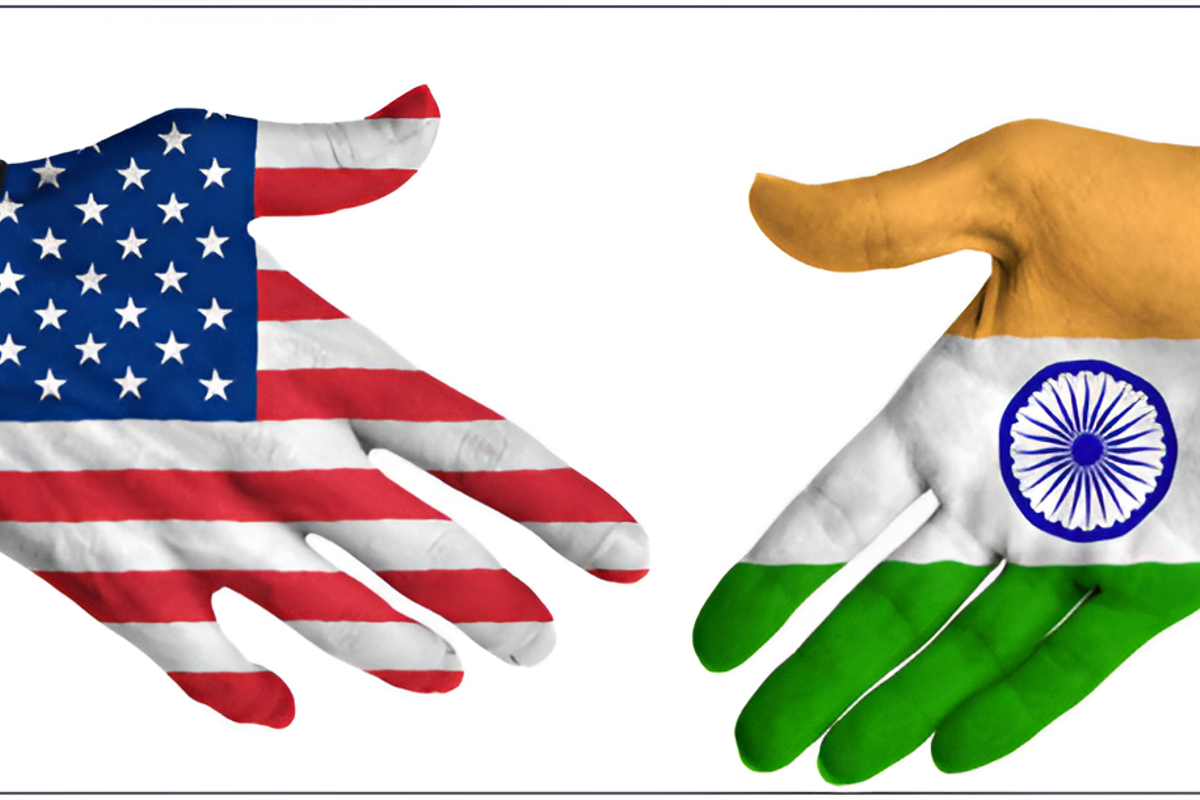
India has taken a step ahead to negotiate terms with the United States this week as the date for reciprocal tariff implementation, as announced by the US federal government, is approaching soon. To make things official of the proposed bilateral trade agreement (BTA), the teams from both nations are going to make BTA the key focus of a scheduled meeting within the next couple of days. With such an agenda, a team of United States (US) officials, headed by Assistant Trade Representative Brendan Lynch, are coming to New Delhi to have talks with their counterparts in India.
Image Source: https://www.asiainglobalaffairs.in/
Both parties seek to furnish the first phase of a mutually worthwhile arrangement by fall 2025. The meetings are organised a week ahead of the United States reciprocal tariff imposition, which is scheduled to take effect on April 2.
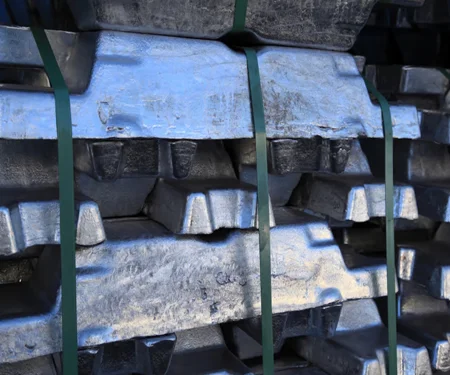
On the other hand, India’s aluminium shipments to the US, its top export market for the metal, are likely to drop due to tariffs imposed by Washington, nudging Indian manufacturers to look at other markets such as Europe, according to a Reuters report, including statements of industry executives and a government source.
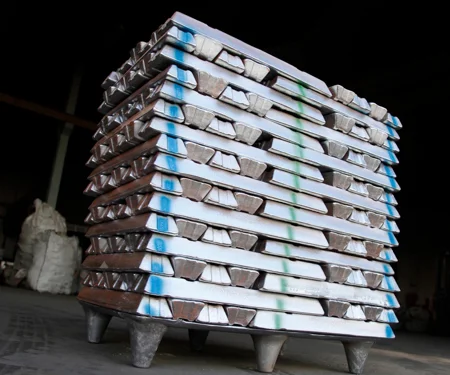
India, the world’s second-largest primary aluminium producer, exported 0.2 million tonnes of aluminium to the US, worth INR 78.3 billion (USD 894.4 million), in the year to March 2024, government data showed. In 2024, the US imported nearly 38 per cent of aluminium conductors by weight from India, valued at USD 130 million. In 2023, imports peaked at USD 261 million, rising from just USD 40 million in 2021, data from the United States International Trade Commission (USITC) reveals.
India has communicated a ‘non-paper’ or a non-binding, informal discussion paper with the US to share New Delhi’s side of the story and propositions concerning the matter.
“India shared a non-paper (with the US), and the US side is expected to do the same. The idea is to see if it can be a starting point for discussions,” one of the persons cited above said.
According to an earlier statement by President Trump, he has “very good relations” with India. “But the only problem I have with India is they’re one of the highest tariffing nations in the world…”
Once the deal’s contours are determined, negotiations will officially commence. While the attributes of India’s proposal in the non-paper are yet to be publicised, India’s readiness to reduce tariffs across several product categories, including labour-intensive sectors such as textiles and leather, has been confirmed by government officials.
According to Trading Economics data,in 2023, India’s aluminium trade with the United States has showcased a dynamic and diversified portfolio, reflecting the robust nature of this bilateral commercial relationship. One of the most notable categories comprises stranded wire, cables, and related products, which alone account for nearly USD 246 million.
Equally substantial are aluminium articles not otherwise specified, valued at approximately USD 207 million. Meanwhile, aluminium wire exports, standing at around USD138 million, demonstrate the versatility of Indian aluminium products and the continued reliance of US industries on Indian materials for electrical and other applications.
India also supplies unwrought aluminium worth roughly USD 95 million to the United States. This basic form of the metal is crucial for further processing, reflecting a robust upstream-to-downstream chain between the two nations. Aluminium structures and parts, valued at USD 75 million, along with aluminium foil at about USD 68 million, bring forth the importance of finished and semi-finished products in trade flows, catering to diverse sectors such as construction, packaging, and consumer goods.
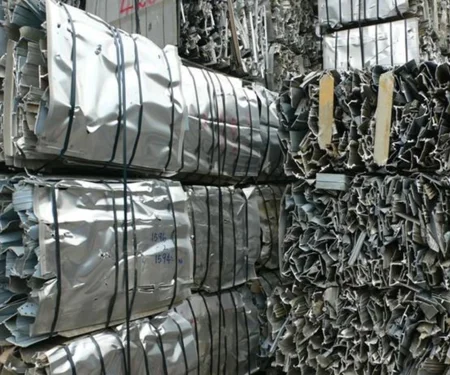
Moreover, the trade figures for aluminium bars, rods, and profiles (USD 66 million), as well as tubes and pipe fittings (USD 36 million), reveal a steady export market for intermediate aluminium goods. Other noteworthy categories include plates, sheets, and strips, kitchenware, casks and drums, and containers for compressed gas. Although some segments like tanks of over 300-litre capacity register smaller export values, their presence underscores the comprehensive scope of India’s aluminium offerings. Overall, these export patterns demonstrate India’s capability to meet a wide array of industrial and consumer needs in the United States, reinforcing the strong and multifaceted aluminium trade relationship between the two countries.
India has been under immense strain to relieve tariffs on automotive and alcohol. For alcohol, import tariffs are over 100 per cent. Agriculture is also a segment where the US negotiates for lower tariffs.
The team’s visit comes after a few weeks of Commerce and Industry Minister Piyush Goyal’s discussion with leading bureaucrats in the US, including US Trade Representative Jamieson Greer and Secretary of Commerce Howard Lutnick, during March 4-6.
Earlier last week, Commerce Secretary Sunil Barthwal expressed that the trade arrangement communication has progressed further. “India is expecting to see a positive outcome from the trade talks,” Barthwal had told Indian media reporters.
The Department of Commerce has been doing stakeholder consultations and assessing challenges, opportunities, and the larger impact of the additional tariffs on Indian exports. Simultaneously, in an interview with Breitbart News, President Donald Trump earlier shared that he believed India would lower tariffs on American goods, even as he reiterated his threat to impose reciprocal US tariffs on the country starting April 2.