Stricter fines, greater scope for innovation: Hungary targets cleaner practices in battery manufacturing
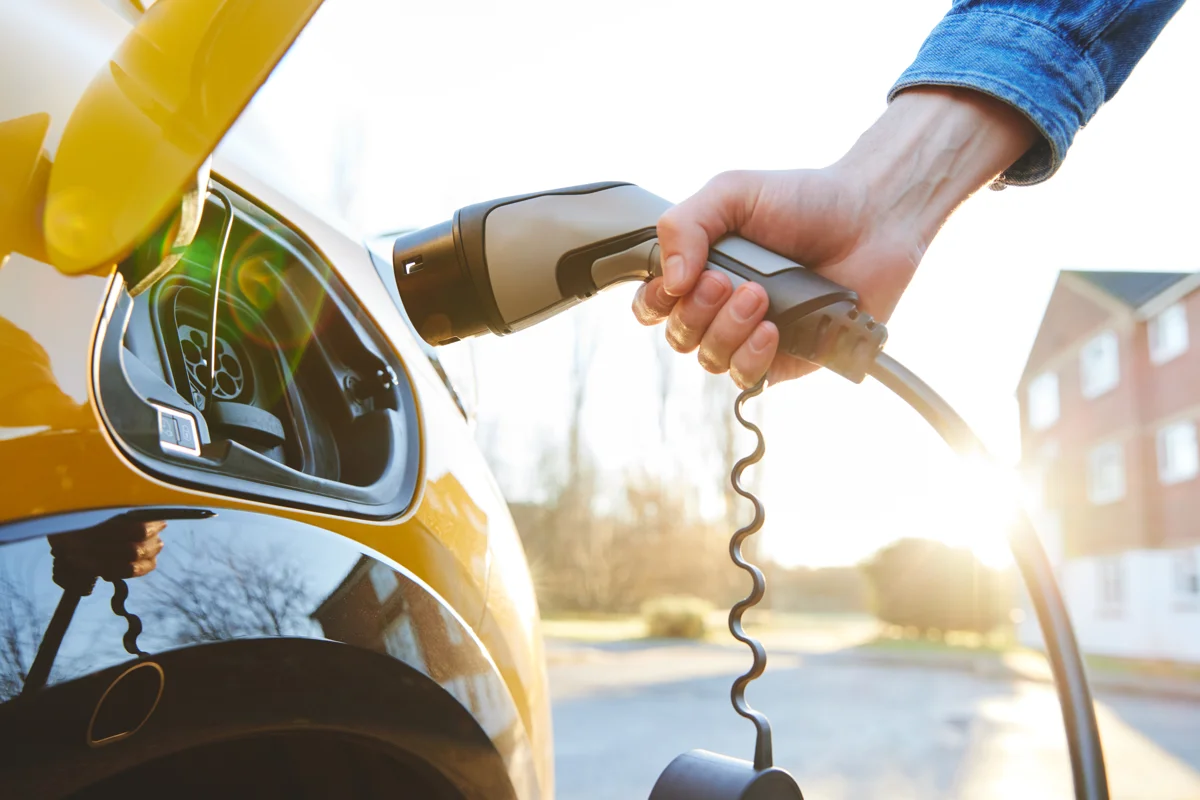
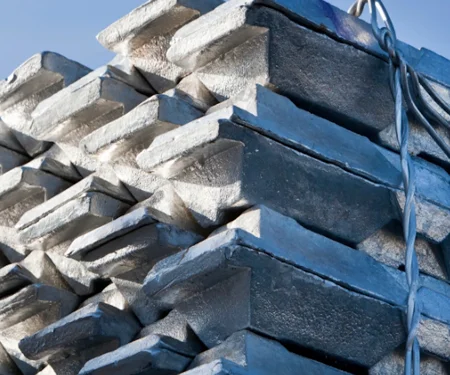
The image used in this article is generated with an AI tool and does not depict any real-time moment
Hungary will raise the maximum fine for serious environmental violations by large manufacturers to 5 billion forints (USD 16 million) under new measures to strengthen environmental oversight across industries, including EV battery manufacturing, recycling, and decommissioning.
The changes come as Hungary continues to play a major role in Europe's EV battery manufacturing industry. The new rules place greater attention on how manufacturing facilities operate, while also covering battery recycling and the decommissioning of plants. This could encourage companies to invest further in cleaner production methods, improved monitoring and technologies that help identify and manage environmental risks.
Prime Minister Peter Magyar said the measures are intended to create a stronger deterrent and ensure that industrial growth goes hand in hand with environmental and public safety standards. "We will not compromise on the health and safety of the Hungarian people,” said Magyar.
To learn about the market potential of aluminium dross, explore "ALuminium Dross Processing: Generation, Recovery & Strategic Roadmap"
The government also plans to set up a new environmental authority to monitor these activities. In addition, it will introduce a “three strikes” principle. Under the proposal, a large company found to have violated environmental regulations for a third time within five years would face a minimum fine of 0.5 per cent of its annual net revenue.
The government has pointed to earlier environmental cases within the battery industry as part of the reason for strengthening the regulatory framework. In one recent case, authorities suspended the production licence of a battery parts manufacturer after aluminium pollution was found in water samples taken from monitoring wells around its plant. The company said it was investigating the matter.
To explore trade opportunities of aluminium consumables, visit AL Biz
Hungary's move also comes at a time when Europe is placing greater emphasis on the environmental impact of energy-intensive industries and supply chains. The EU's CBAM entered its definitive phase in January 2026, increasing focus on the carbon costs of imports, including aluminium. Hungary's proposed changes take a different route, focusing on pollution monitoring and penalties within industrial operations.
Together, these measures could support cleaner industrial growth by encouraging better recycling, cleaner technologies and lower-emission production.
Odisha eyes UAE funding for aluminium, critical minerals and port projects
Next articleEnergy costs drive China's August inflation as non-ferrous metals surge 20.8%
Grow with
AL Circle