Energy costs drive China's August inflation as non-ferrous metals surge 20.8%

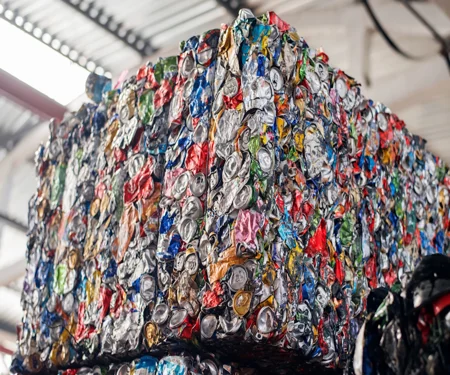
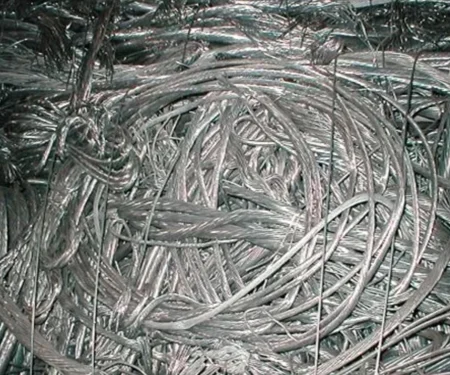
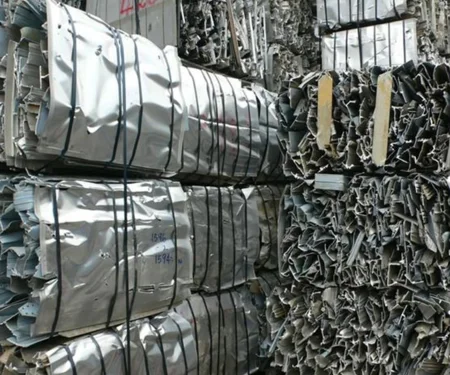
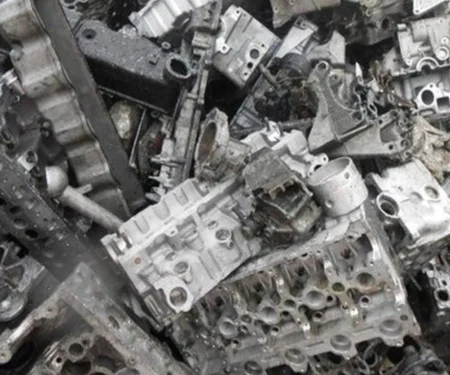
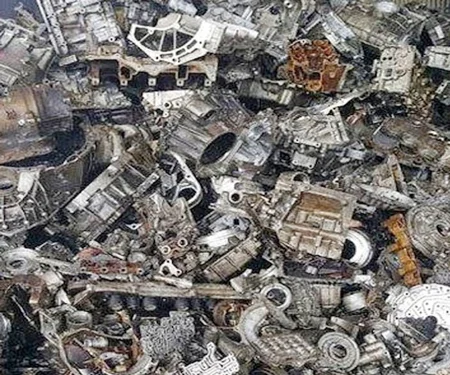
Stock image for referential purposes only
China's producer inflation accelerated in August as higher energy and non-ferrous metal prices pushed industrial costs higher, while weak domestic demand kept consumer inflation subdued.
China's factory-gate inflation accelerated in August, with non-ferrous metal smelting and processing prices rising 20.8 per cent year on year as higher international crude oil and metal prices fed through the industrial economy.
The country's Producer Price Index (PPI) rose 3.8 per cent year on year in August, up from 3.5 per cent in July and ahead of the 3.6 per cent increase expected in a Reuters poll, according to data from the National Bureau of Statistics (NBS).
The increase was accompanied by a more modest rise in consumer prices, highlighting the contrast between stronger industrial input costs and still-soft domestic demand.
Non-ferrous metals lead industrial price gains
Among China's major industrial sectors, non-ferrous metal smelting and processing recorded one of the sharpest price increases, with prices climbing 20.8 per cent from a year earlier.
Petroleum, coal and fuel processing prices rose 11.1 per cent, while oil and gas extraction prices increased 10.5 per cent.
"Higher international crude oil and non-ferrous metal prices have pushed up prices across related industries in China," said Dong Lijuan, a statistician at NBS.
The rise in energy prices was also visible in consumer inflation. Dong said higher energy prices contributed around 0.28 percentage points to the annual increase in China's Consumer Price Index (CPI).
For aluminium and other non-ferrous metals, the data points to a sharp increase in sector-level prices even as broader Chinese demand remains under pressure.
To learn about the market potential of aluminium dross, explore "ALuminium Dross Processing: Generation, Recovery & Strategic Roadmap"
Consumer inflation remains subdued
China's CPI rose 0.8 per cent year on year in August, accelerating from 0.5 per cent in July.
Core inflation, which excludes volatile food and energy components, increased 1 per cent year on year, compared with 0.9 per cent in July.
On a monthly basis, CPI rose 0.4 per cent, compared with expectations for a 0.3 per cent increase and a 0.1 per cent decline in July.
Fresh vegetable prices increased 5.5 per cent month on month as extreme heat, heavy rainfall and seasonal supply changes tightened availability.
Despite the broader increase in prices, economists said China's domestic demand remained too weak to generate sustained consumer inflation.
"The persistence of the conflict in the Middle East means inflation is likely to remain higher for longer than previously expected," said Nguyen Hoang Nam, China economist at Capital Economics. "But our base case continues to be that consumer price inflation will fall sharply next year, averaging just 0.4 per cent, while producer prices return to deflation”, he added.
To explore trade opportunities of aluminium consumables, visit AL Biz
Metals face higher costs while demand stays weak
The latest figures underline a difficult combination for China's industrial economy: international energy and metals prices are rising, but domestic consumption has yet to produce a broad-based inflation recovery.
"The economy still contains pockets of deflation, but consumer prices appear poised to settle into a low, positive range," said Lynn Song, ING's Greater China chief economist.
Ding Meng, chief economist of China CITIC Bank International, said core inflation remained relatively low and suggested underlying inflationary pressure was likely to stay contained through the rest of the year.
"A sustained rise in inflation will still depend on a continued recovery in domestic demand," Ding said.
Household appliance prices also slipped back into negative territory as the impact of government-backed trade-in and consumption subsidy programmes faded.
Beijing has continued introducing measures to support spending and confidence, including loan-interest subsidies for consumers and small private businesses. Policymakers have also signalled additional fiscal support if economic conditions require it.
For China's aluminium and wider non-ferrous metals sector, the August data therefore presents a mixed picture: industrial metal prices are rising sharply, but a sustained improvement in domestic demand remains crucial to keeping inflation and pricing momentum intact.
Unlock key insights from leading companies and experts across the aluminium ecosystem with our e-Magazine - Mine to Market: Aluminium Producers & Manufacturers 2026
Stricter fines, greater scope for innovation: Hungary targets cleaner practices in battery manufacturing
Next articleDr Sanja Miskovic joins American Rare Earths to advance Halleck Creek processing
Grow with
AL Circle