Rio Tinto's evolving commodity mix reshapes its investment story
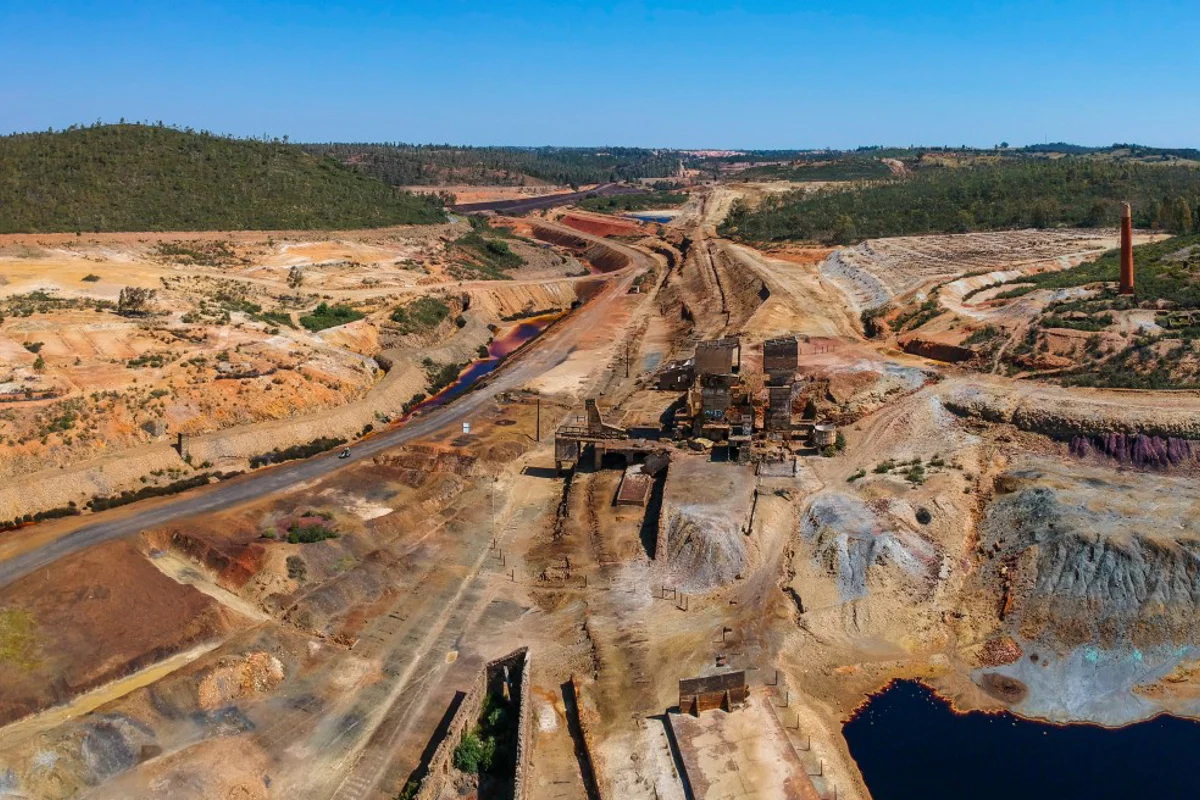
Stock image for referential purposes only
Iron ore remains Rio Tinto's financial anchor, but growing exposure to aluminium, copper and lithium is changing how investors assess the diversified miner.
Rio Tinto is attracting renewed attention among UK-listed metals and mining stocks as its expanding commodity mix creates a valuation picture that looks different depending on the financial measure used.
The London-listed mining group remains heavily anchored by its established iron ore operations, while aluminium and copper provide additional exposure to major industrial markets. At the same time, lithium and other critical minerals are becoming increasingly important to its longer-term strategy.
That combination makes Rio Tinto's valuation less straightforward than a simple comparison of its earnings multiple with those of other mining companies.
Cash flow and earnings offer different pictures
A discounted cash-flow approach places greater emphasis on the money Rio Tinto can generate from its operations over time, alongside assumptions about commodity prices, production, operating costs, capital expenditure and future projects.
Under one cash-flow framework, the company's estimated intrinsic value came in below its prevailing market valuation.
An earnings-based approach presents a different picture, with Rio Tinto's earnings multiple appearing comparatively restrained against broader metals and mining benchmarks.
The difference reflects the contrasting things the two methods measure. An earnings multiple focuses more closely on current profitability, while a cash-flow model incorporates future operating performance and the capital required to maintain and develop mining assets.
For a diversified miner exposed to several commodity cycles, those assumptions can have a significant effect on the resulting valuation.
To know the production, demand and consumption forecasts of bauxite and alumina, explore the report "Global Bauxite & Alumina Market Forecast to 2036: Supply–Demand, Trade Flows & Price Outlook"
Iron ore remains the foundation
Despite the growing focus on critical minerals, iron ore remains fundamental to Rio Tinto's business.
The company operates a large integrated iron ore network in Western Australia, including mines, rail infrastructure and port facilities supplying steelmakers in global markets.
This established production base provides a different financial profile from newer projects that require investment before reaching meaningful production and cash generation.
China's large steelmaking industry also makes global iron ore demand an important factor in Rio Tinto's performance, linking the group closely to industrial and construction activity.
Aluminium and copper add industrial exposure
Rio Tinto's portfolio extends beyond iron ore through established aluminium and copper operations.
Aluminium is used extensively across transport, packaging, construction and manufacturing, giving Rio Tinto exposure to a broad range of industrial markets. Its aluminium business spans several stages of the value chain, including mining and processing activities.
Copper provides another source of diversification, with demand linked to electrical infrastructure, construction, industrial equipment and power networks.
These businesses add different commodity drivers to Rio Tinto's portfolio, meaning the company's overall financial performance is not dependent on the outlook for iron ore alone.
Explore buying & selling leads of bauxite and trade opportunities on AL Biz
Lithium brings critical minerals into focus
Lithium is becoming an increasingly important part of Rio Tinto's longer-term portfolio as demand for rechargeable batteries and electrification-related materials grows.
The company's Rincon project in Argentina is a key part of its lithium strategy, while its work on lithium refining technology reflects a broader interest in processing and supply-chain development.
Unlike Rio Tinto's established iron ore operations, lithium projects are at earlier stages of development and require capital before they can contribute at full operating scale.
That distinction matters for valuation. Investors assessing Rio Tinto's future cash generation need to consider both the contribution from established assets and the investment required to develop newer businesses.
A portfolio spanning mature and emerging commodities
Rio Tinto now sits across several parts of the global minerals economy, from established iron ore and aluminium operations to copper and developing lithium interests.
The mix gives the company exposure to traditional industrial demand as well as commodities associated with electrification and changing energy infrastructure.
It also means different valuation methods can produce different conclusions. Current earnings reflect the performance of established operations, while cash-flow models can place greater weight on future commodity prices, capital spending and the eventual contribution of newer projects.
For investors following the UK-listed resources sector, that combination of mature cash-generating assets and developing critical-minerals exposure is likely to remain central to the debate around Rio Tinto's valuation.
Unlock key insights from leading companies and experts across the aluminium ecosystem with our e-Magazine - Mine to Market: Aluminium Producers & Manufacturers 2026
Ghana’s 920Mt of bauxite reserves catch global investors’ attention amid aluminium push
Next articleAustralian bauxite forecast at $39/t vs Guinea at $34-46/t: How ore quality, freight and oversupply are shaping prices
Grow with
AL Circle