Low inventory drawdown provides support, aluminium prices consolidate on a weak note in the short term
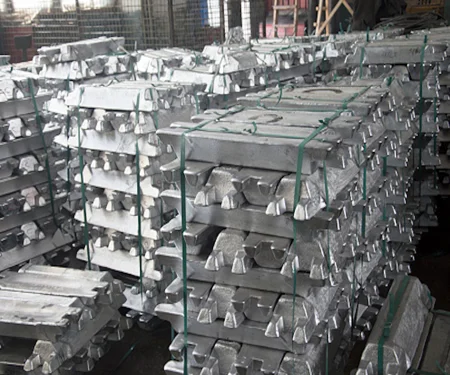
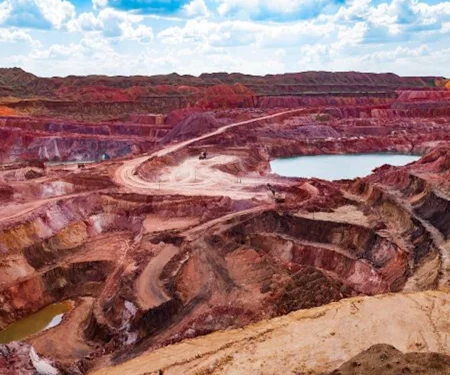
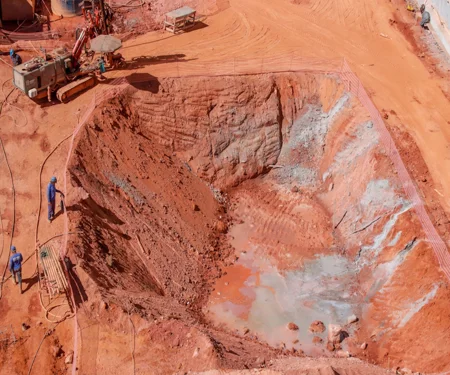
The image used in this article is generated with an AI tool and does not depict any real-time moment
Futures: SHFE aluminium closed at RMB 21,720 per tonne in the daytime session, edging up 0.53 per cent. Futures bottomed out, and although they stood above MA5 (21,547), they remained capped by MA10 (21,839) and far below MA30 (22,522), with the bearish alignment of moving averages unchanged. MACD lines (DIF=-431.00, DEA=-375.43) ran below the zero axis, with the green bar narrowing to -111.15, indicating weakening downward momentum. Trading volume expanded to 224,000 lots, with active bottom-fishing. The suggested core trading range for SHFE aluminium is 21,100-22,000. LME aluminium closed at USD 2,860.0 per tonne, up 0.46 per cent. Prices rebounded from lows but remained pressured by MA5 (2,870.5) and MA10 (2,949.3), with the weak pattern persisting. MACD lines (DIF=-59.19, DEA=-40.64) ran below the zero axis, with the green bar slightly narrowing to -37.11, and momentum remained bearish. Trading volume was 28,400 lots, with relatively sluggish activity. The suggested core trading range for LME aluminium is 2,820-2,900.
Macro front: The US S&P Global manufacturing PMI flash reading for November came in at 54.5, a three-month low. The services activity index recorded 54.7, pulling back to a four-month low and below market expectations. The composite PMI flash reading fell 1.3 percentage points M-o-M to 54.6, a near four-month low. The eurozone S&P Global manufacturing PMI flash reading for November rose to 52.9, beating market expectations; the services PMI unexpectedly fell to 51.2, a five-month low; the composite PMI held flat at 51.7, staying in expansion territory for a fifth consecutive month. Germany's composite PMI flash reading rose to 55, the highest since March 2022. France's composite PMI fell to 46.2, a six-month low.
Fundamentals: Supply side, China's weekly aluminium production stood at 877,000 tonnes, basically stable, with replacement projects releasing output sporadically and supply rigidity persisting; the proportion of liquid aluminium edged up 0.02 percentage points M-o-M. Ex-China, the surplus expectations from new capacity additions and Middle East production resumptions remained unchanged, with Indonesian projects continuing to ramp up production. Environmental protection-driven production restrictions in Henan, combined with the gradual arrival of the demand off-season, made demand-side pressure increasingly visible. On the inventory front, according to SMM statistics, as of this Monday, China's aluminium ingot social inventory fell 15,000 tonnes WoW from last Thursday and 36,000 tonnes WoW from last Monday.
Primary aluminium market: East China market: During the previous trading day's daytime session, the SHFE aluminium 2612 contract trended slightly higher than the prior trading day, and spot market trading sentiment improved. However, due to tight supply across east China and the still-existing arbitrage space in the Shanghai-Guangdong price spread, overall spot trading sentiment was positive. SMM A00 aluminium ingot traded at a premium of RMB 390-410 per tonne against the SHFE aluminium 2612 contract. Central China market: Yesterday, aluminium futures rebounded, but the Henan-Guangdong price spread was too wide. Most traders in central China had already shifted their inventory to south China for sales, leaving the local market short of supply today. Suppliers showed a notable willingness to hold prices firm and hold back from selling, keeping market quotes elevated throughout. Ultimately, actual transaction prices in central China centered around a premium of RMB 300-320 per tonne against the SHFE aluminium December contract. South China market: Yesterday, aluminium prices continued to rise sharply, and the spot market was generally stable. In the morning, support from relatively low absolute inventory and the resilience of cargoes with invoices dated this month near month-end continued to drive active price hikes; however, with consecutive sharp gains in absolute prices, a notable expansion in the nearby-month reverse spread, and the pressure from incremental arrivals, lowering prices to sell gradually became the mainstream. Mainstream prices ranged from average price to small premiums, with spot circulation under control and few low-price offers. Demand showed some resistance to high prices, with buyers only purchasing as needed and no longer rushing to buy at elevated levels; demand for purchases to fulfill delivery obligations remained relatively strong, with acceptance of cargoes at flat or even small premiums, and trading was moderate. Spot transaction prices concentrated at premiums of RMB 935-975 per tonne against the SHFE aluminium 2612 contract.
Aluminium scrap: Yesterday, SMM A00 aluminium price was reported at RMB 22,600 per tonne, rebounding RMB 260 per tonne from the previous trading day. After multiple days of declines, a short-term rebound emerged, and the aluminium scrap market was generally stable with slight gains. On the price difference between A00 aluminium and aluminium scrap, the sharp drop in primary aluminium combined with the resilience of aluminium scrap further compressed the spread. On November 23, the price difference between A00 aluminium and mixed aluminium extrusion scrap free of paint in Foshan stood at RMB 2,486 per tonne, and the price difference between A00 aluminium and shredded aluminium tense scrap in Foshan stood at RMB 638 per tonne. These spreads widened as aluminium prices recovered but remained at historically extremely low levels. Meanwhile, the cost advantages of using scrap for wrought alloy enterprises have basically disappeared. Supply side, the pattern of reverse invoicing and stricter tax supervision remained unchanged, with compliant cargoes still tight and invoice holders showing strong willingness to hold prices firm. After the consecutive decline in primary aluminium, aluminium scrap market trading was sluggish, and pessimistic aluminium price expectations also exerted pressure on aluminium scrap supply. Demand side, the off-season combined with environmental protection-related controls made downward pressure fully visible. Die-casting plants mainly made just-in-time procurement, with cautious restocking of large orders. Year-end auto parts die-casting orders were relatively full, serving as the main support for aluminium tense scrap demand. In the short term, the aluminium scrap market is expected to continue its weak pattern of following the downtrend. Going forward, close attention should be paid to the sustained decline in SHFE aluminium, whether aluminium ingot social inventory shifts from destocking to accumulation, marginal changes in tax audits and reverse invoicing supervision, the actual realisation of primary aluminium replacing aluminium scrap as the price difference approaches inversion, and the impact of the December FOMC meeting and LME squeeze risks on macro sentiment.
Secondary aluminium alloy: Yesterday, ADC12 market quotes showed some divergence, with some market quotes raised by RMB 100 per tonne, mainly driven by the rebound in primary aluminium prices, leading to a phased repair in market prices. However, the current price increase largely reflected follow-through sentiment from the cost side and the aluminium price rebound, while demand-side support remained relatively limited. Downstream orders were mediocre, and actual transaction improvement was not yet evident. Against this backdrop, some suppliers raised quotes, but some market participants chose to maintain original prices, showing a relatively cautious attitude toward price hikes. Overall, although the ADC12 market saw some rebound driven by the aluminium price recovery, demand follow-through was insufficient, and upward price momentum remained weak. In the short term, the market is expected to continue moving sideways with cautious adjustments, and future price trends will still depend on primary aluminium price fluctuations and improvements in downstream orders.
Comprehensive outlook: Hawkish rate hike expectations and the unwinding of LME squeeze gains resonated, with both SHFE and LME breaking down in tandem; aluminium prices are dominated by bearish momentum in the short term, but low global inventory and accelerating destocking provide substantive constraints on the downside.
Note: This article has been shared by SMM and has been published by AL Circle with its original information without any modifications or edits to the core subject/data.
LME aluminium price rises to $3,201.5/t as Asian Ref Price gains 1.13% on Nov 23
Next articleThe plot thickens: US-Canada deal ‘fairly close’ as China aluminium ties add a new twist
Grow with
AL Circle













_md.webp)
_md.webp)