New cobalt-aluminium alloy developed with strength up to 10 times that of steel
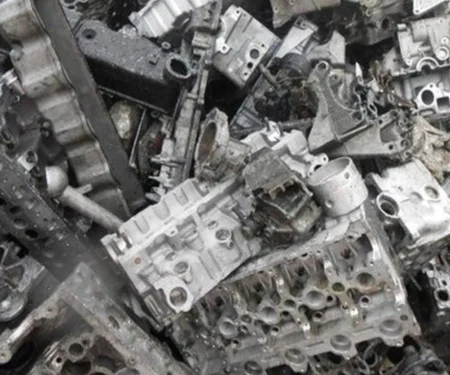
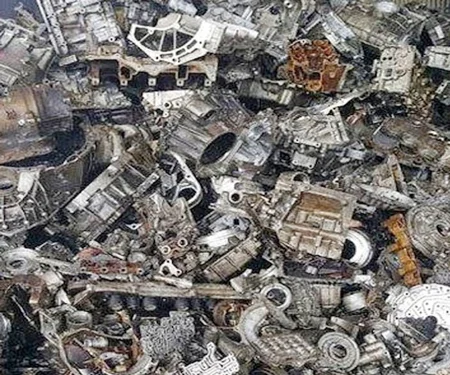
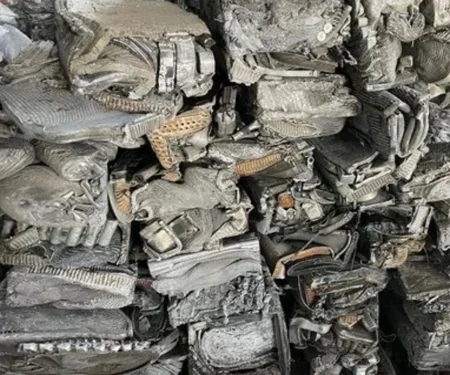
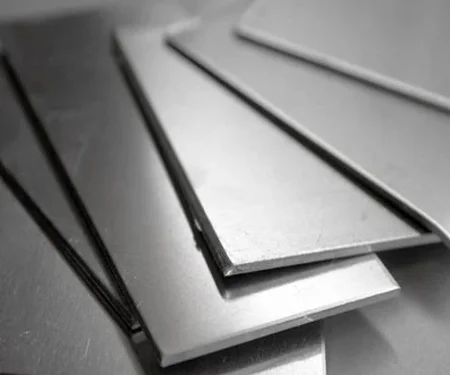
Stock image for referential purposes only
A research team at Purdue University has developed a new cobalt-aluminium (CoAl) alloy that has the potential to solve one of the major limitations of intermetallic materials, their tendency to break under stress.
The newly developed material showed a strength of up to 10 times that of steel with the ability to deform without breaking.
This research, published in Science Advances, could help the development of next-generation turbine engines in which materials are required to withstand extreme temperatures.
Solving the brittleness problem
Intermetallic compounds have long attracted interest for their high strength, excellent heat resistance and ability to withstand long-term mechanical stress. These properties make them suitable for components used in aircraft engines, gas turbines, automotive systems and energy applications.
Yet their commercial use has remained limited because they are generally brittle at room temperature. Rather than bending under load, many crack before they can absorb significant stress.
The Purdue researchers focused on cobalt-aluminium (CoAl), an intermetallic already recognised for its strength but considered difficult to manufacture into demanding engineering components because of its lack of ductility.
Instead of changing the alloy's composition, the team modified its internal structure by introducing a large number of microscopic crystal defects, known as dislocations, together with flexible amorphous interfaces that help the material accommodate stress.
Looking to source or sell aluminium extrusions? Discover relevant business opportunities on our B2B marketplace.
High strength without sacrificing plasticity
Tests showed the redesigned alloy reached a yield strength of 6 gigapascals (GPa), around six to 10 times stronger than high-strength structural steel. Unlike conventional CoAl, it also withstood 15 per cent plastic strain under compression at room temperature before permanent deformation occurred.
The material was produced using magnetron sputtering deposition, a process that forms the alloy from vapour rather than molten metal. This manufacturing route enabled the researchers to introduce a high density of dislocations while creating the flexible aluminium-cobalt interfaces responsible for the improved mechanical behaviour.
Microscopy experiments and computer simulations showed these interfaces actively generated additional dislocations as the material was compressed, allowing it to absorb stress more effectively instead of fracturing.
Potential for next-generation engineering materials
The current material has only been demonstrated as a nanoscale layered system, but the researchers plan to apply the same concept to larger cobalt-aluminium nanocomposites suitable for industrial production.
They also intend to investigate whether the approach can improve the ductility of other intermetallic alloys, opening opportunities for stronger lightweight materials in aerospace, energy and defence sectors.
Discover the world of Global Aluminium Casting Market 2026-2032: Plant Economics, Alloy Segmentation, Pricing Intelligence, Supply Chain Analysis & Strategic Recommendations
Anda expands aluminium die casting capacity to meet rising EV demand
Next articleBahrain's aluminium exports tumble 14% in Jan-May 2026
Grow with
AL Circle