India makes the aluminium. So why is it unable to make enough Diet Coke cans?
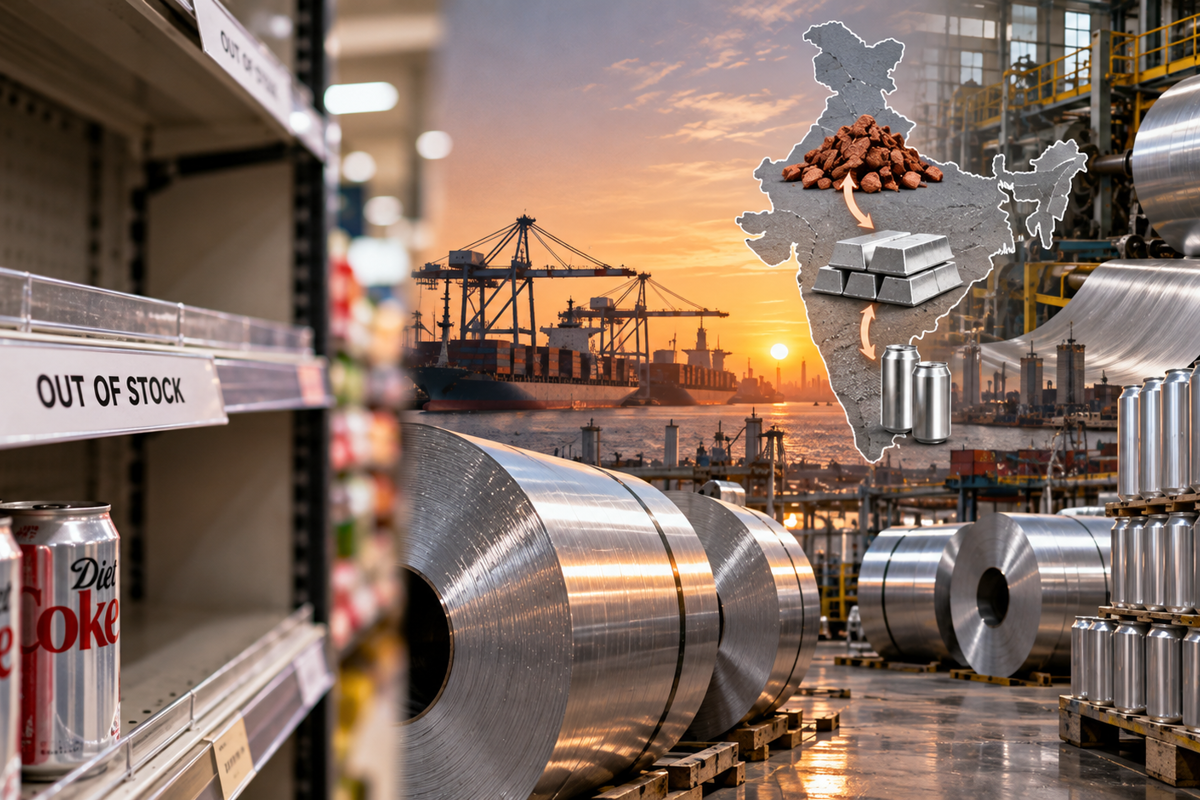
The image used in this article is generated with an AI tool and does not depict any real-time moment.
India's Diet Coke shortage in 2026 exposed an unexpected weakness in the country's aluminium industry. Despite being the world's second-largest primary aluminium producer, India struggled to ensure adequate supplies of aluminium cans when disruptions to Middle Eastern shipping affected imports of specialised can-sheet material. The episode highlighted a structural gap in the domestic aluminium value chain: producing the metal is one thing, but converting it into higher-value finished products is another.
The shortage emerged during the summer drinking season, when Diet Coke became increasingly difficult to find on Indian shelves. Quick-commerce platforms reported limited availability as shipping disruptions linked to the Middle East conflict affected aluminium supplies through the Strait of Hormuz. The Gulf region accounts for approximately 9 per cent of global aluminium production, making disruptions in the region significant for international supply chains.
Diet Coke was particularly vulnerable because Coca-Cola sells the beverage in India exclusively in aluminium cans, unlike products such as Coke, Thums Up and Sprite, which are also available in plastic and glass packaging. As the shortage continued, consumers turned to social media to express their frustration, with some even organising themed Diet Coke parties. By mid-May, the drink began returning to shelves in 200 ml glass bottles, albeit at considerably higher prices.
Growing demand for low- and zero-sugar beverages added to the pressure. Coca-Cola India's zero- and low-sugar products increased their share of volumes from approximately 5 per cent in 2020 to around 30 per cent in 2025, indicating a substantial shift in consumer preferences towards these beverages.
India's aluminium production strength meets a downstream bottleneck
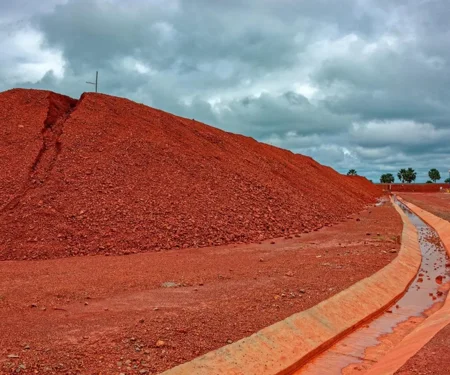
India's difficulty in securing sufficient aluminium cans appears particularly striking given its position in the global aluminium industry. The country produced approximately 4.2 million tonnes of primary aluminium in FY2025, making it the world's second-largest producer after China. It also possesses an estimated 4.9 billion tonnes of bauxite resources, ranking eighth globally in terms of resource endowment.
However, considerable domestic bauxite resources and primary aluminium production do not automatically translate into self-sufficiency across the downstream value chain. India continues to import close to 4.9 million tonnes of bauxite annually, while its domestic capacity to manufacture specialised aluminium can sheet has historically remained insufficient.
Aluminium cans require thin, precisely rolled aluminium sheet that meets specific manufacturing requirements. This material cannot simply be replaced by unprocessed primary aluminium. Consequently, India's dependence on imported can sheet, particularly from West Asia, became a critical vulnerability when regional shipping disruptions affected supplies.
Efforts are underway to address the capacity gap. Hindalco is expanding its can-sheet capacity by approximately 50,000 tonnes at its Aditya facility in Odisha, while Ball Corporation has announced a USD 60 million investment in Sri City. However, these projects are expected to take another two to three years to become operational, meaning they are unlikely to provide an immediate solution to the country's supply constraints.
Domestic regulatory requirements have also added pressure. Quality certification requirements for aluminium cans were already affecting domestic supply before the West Asian conflict, while representatives of the beer industry have reported that domestic can manufacturing capacity falls more than 20 per cent short of demand.
To learn the future of aluminium in the packaging industry, explore our report "ALuminium in Packaging: Consumer Trends and Market Dynamics"
The real money lies further down the aluminium value chain
The shortage points towards a broader economic challenge: India's aluminium industry remains considerably stronger in primary metal production than in certain higher-value downstream segments.
Trade figures for FY2025-26 illustrate this imbalance. Of approximately USD 7 billion in aluminium exports, 61.4 per cent consisted of plain metal, while finished aluminium products accounted for the remaining 38.6 per cent. This composition highlights the scope for greater domestic value addition through investment in rolling, processing and finished-product manufacturing.
The distinction is economically significant. Primary aluminium provides the foundation for a wide range of industrial applications, but downstream processing transforms the metal into products such as rolled sheets, packaging materials and other specialised components. These stages require additional manufacturing capabilities and allow producers to capture more value from the original material.
Hindalco has also recognised the importance of expanding downstream operations. The company's planned investments are expected to reduce India's flat-rolled aluminium imports by almost 40 per cent, highlighting the potential contribution of domestic capacity expansion towards strengthening the country's supply chain.
The aluminium duty dilemma: Protecting producers or burdening manufacturers?
The country levies a 7.5 per cent basic customs duty on primary aluminium, which rises to approximately 8.25 per cent after the applicable surcharge is included. The measure is intended to protect domestic smelters against cheap imports and dumping. However, trade-policy analysts argue that the duty can also contribute to import-parity pricing, allowing domestic primary aluminium producers to price their metal at the London Metal Exchange benchmark plus the applicable duty.
This creates additional costs for downstream manufacturers that depend on aluminium as an industrial input. According to estimates cited by a trade-policy think tank, the mechanism affects more than 3,500 downstream micro, small and medium enterprises (MSMEs). The Ministry of Mines' Aluminium Vision Document has reportedly highlighted nearly USD 470 million in excess payments by downstream users under this arrangement.
The impact extends to the final cost of manufactured products. Where aluminium accounts for approximately 40 per cent of a product's total cost, a 7.5 per cent increase in the metal's price can add roughly 3 per cent to the overall product cost.
Downstream manufacturers also face competition from finished products imported from countries with which India has trade agreements, as some of these goods can enter the domestic market at zero or near-zero duty. This creates what economists describe as an inverted duty structure, in which imported raw materials face higher tariffs while finished products enjoy lower import duties.
However, primary aluminium producers have a different perspective. They argue that customs protection is necessary to safeguard domestic production against surging imports and unfairly priced foreign metal. The Aluminium Association of India has even called for the basic customs duty to be increased to 10 per cent.
The disagreement reflects a wider question about how India should balance the interests of primary producers and downstream manufacturers. While protection can support domestic smelting operations, higher input costs may weaken the competitiveness of businesses that manufacture finished aluminium products.
Unlock key insights from industry experts on aluminium's applications in end-use with our magazine - End-user Revolution: Aluminium’s Impact on Modern Living
A wider manufacturing challenge beyond aluminium
India's downstream aluminium challenge is not an isolated case. A similar pattern can be observed in the pharmaceutical industry, where the country has established itself as a major global supplier of medicines but continues to depend heavily on imported active pharmaceutical ingredients and other critical bulk-drug inputs.
The Department of Pharmaceuticals has acknowledged that approximately 70 per cent of critical bulk-drug imports come from China. Parliamentary data for FY2025 also indicates that India's dependence on China reached nearly 96 per cent for 6-APA and 98 per cent for erythromycin.
Although aluminium and pharmaceuticals are different industries, both demonstrate how strength in one part of a manufacturing value chain does not necessarily guarantee self-sufficiency across the entire production process. Domestic manufacturing capabilities can remain vulnerable when critical intermediate materials or specialised inputs depend on external suppliers.
Can investment and policy changes close the gap?
India has begun taking steps to strengthen its downstream aluminium ecosystem. New investments in can-sheet manufacturing and other flat-rolled products are expected to improve domestic availability, although the additional capacity will take time to come online.
Downstream industry associations also called on the government in July 2026 to rationalise aluminium import duties, arguing that the existing tariff structure places domestic manufacturers at a disadvantage. Meanwhile, Aluminium Bharat 2026, an industry exhibition held in September, attracted more than 500 exhibitors, reflecting growing interest in the country's aluminium manufacturing ecosystem.
Nevertheless, expanding primary production alone will not address the structural limitations exposed by the Diet Coke shortage. Greater investment in downstream processing, competitive access to raw materials and a more balanced tariff structure will be important in determining how much value India can retain within its domestic aluminium industry.
The shortage ultimately demonstrated that possessing abundant mineral resources and producing millions of tonnes of primary aluminium are only the beginning. The greater opportunity lies in developing the rolling mills, processing facilities and manufacturing capabilities needed to turn that metal into higher-value products. For India, strengthening those missing links could prove just as important as expanding its position among the world's leading aluminium producers.
Explore a variety of aluminium packaging products such as aluminium cans and other food packaging on AL Biz.
Romania’s aluminium can recycling rate reaches 80.5% in first nine months of 2026
Next articleTesla’s Optimus needs a brain, a battery and a whole lot of aluminium
Grow with
AL Circle