www.businessspectator.com.au
Increased aluminium recycling could reduce China's metal industry energy use
Edited by : AL CIRCLE
2 min read

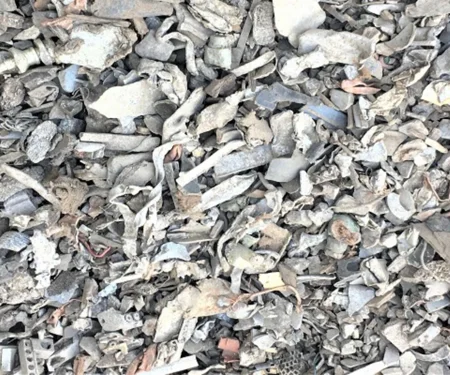
China produces more aluminum than any other country. Secondary production, or producing metal from recycled scrap metal, is the primary opportunity to reduce the country's energy intensity for both of these industries, because secondary production uses significantly less energy than primary production using raw material inputs.
In 2012 the Chinese nonferrous metals industry (which includes aluminum and other metals) used 2.1 quadrillion British thermal unit (BTU or Btu) of energy. Secondary production of these metals is much less energy intensive. According to the U.S. Department of Energy, secondary aluminum production requires as little as 6% of the energy associated with primary production, when all manufacturing energy use is considered. Recyclable material includes both post-consumer scrap and pre-consumer scrap produced during manufacturing processes.
China has low aluminum recycling rates when compared to the United States. In 2012, 21% of China's aluminum production was secondary production, according to the United States Geological Survey (USGS). By contrast, aluminum industries in the United States have much higher recycling rates of 557%, respectively.
There are two main barriers to increasing the use of scrap in secondary production:
Increased capital investment:
Although increasing secondary production will require capital investment for additional secondary production facilities, the cost of secondary production facilities is much lower than the cost of primary production facilities. For example, recycled aluminum production requires only about 10% of the capital equipment costs compared with the costs for the production of primary aluminum, according to U.S. Department of Energy estimates.
Availability of scrap:
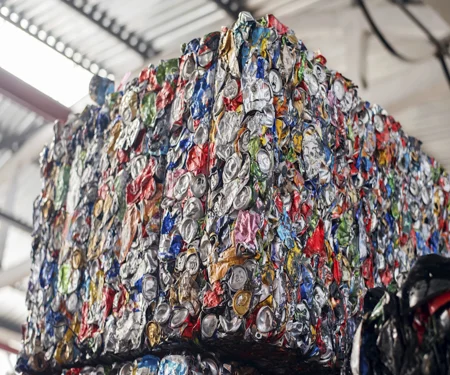
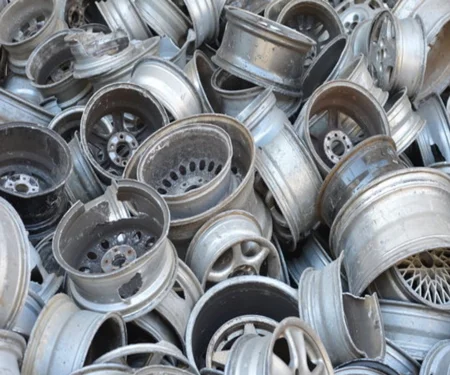
Aluminum scrap sources include obsolete buildings and transportation equipment. Additional aluminum scrap sources include appliances and beverage cans. Domestic scrap is usually less expensive than imported scrap, but it requires dedicated sorting, collection, and transportation, as well as access to large volumes of scrap material. In 2012, China imported only 2.6 million metric tons of aluminum scrap, according to the USGS. Over time, more scrap could become available in China, allowing substantial energy-intensity reductions in the steel and aluminum industries.
In 2012 the Chinese nonferrous metals industry (which includes aluminum and other metals) used 2.1 quadrillion British thermal unit (BTU or Btu) of energy. Secondary production of these metals is much less energy intensive. According to the U.S. Department of Energy, secondary aluminum production requires as little as 6% of the energy associated with primary production, when all manufacturing energy use is considered. Recyclable material includes both post-consumer scrap and pre-consumer scrap produced during manufacturing processes.
China has low aluminum recycling rates when compared to the United States. In 2012, 21% of China's aluminum production was secondary production, according to the United States Geological Survey (USGS). By contrast, aluminum industries in the United States have much higher recycling rates of 557%, respectively.
There are two main barriers to increasing the use of scrap in secondary production:
Increased capital investment:
Although increasing secondary production will require capital investment for additional secondary production facilities, the cost of secondary production facilities is much lower than the cost of primary production facilities. For example, recycled aluminum production requires only about 10% of the capital equipment costs compared with the costs for the production of primary aluminum, according to U.S. Department of Energy estimates.
Availability of scrap:
Aluminum scrap sources include obsolete buildings and transportation equipment. Additional aluminum scrap sources include appliances and beverage cans. Domestic scrap is usually less expensive than imported scrap, but it requires dedicated sorting, collection, and transportation, as well as access to large volumes of scrap material. In 2012, China imported only 2.6 million metric tons of aluminum scrap, according to the USGS. Over time, more scrap could become available in China, allowing substantial energy-intensity reductions in the steel and aluminum industries.
Unlock full access – sign up for FREE.
Key benefits
Find exclusive data-driven insights and in-depth analysis
Get our daily newsletter delivered straight to your inbox
Access real-time and historical price trends from global indices
Post and respond to latest business leads
Stay ahead with alerts on learning tools
...and so much more!SIGN UP / LOGIN
Previous article
ShredderSort to introduce new solutions for the aluminium recycling industry
Next articleMetalface offers new communication option for recyclers
Grow with
AL Circle