Gränges Powder Metallurgy and partners develop 2 aluminium-scandium alloys, targeting 2027 demonstrators
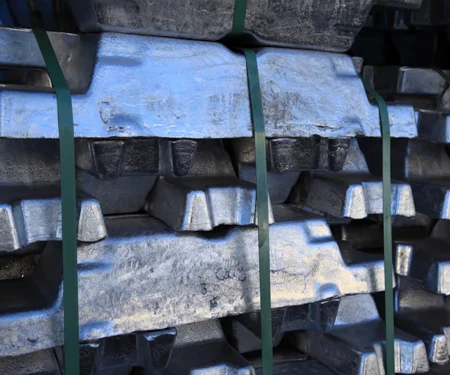
The image used in this article is generated with an AI tool and does not depict any real-time moment
Gränges Powder Metallurgy (GPM), PINT and the Institut de Recherche Technologique Matériaux, Métallurgie et Procédés (IRT M2P) are developing two aluminium-scandium alloys for Laser Beam Powder Bed Fusion (PBF-LB), a form of 3D printing. The partners expect to produce the first demonstrator components in 2027.
The programmes are currently in development and testing. The alloys are designed for different uses, including high-temperature applications and equipment operating in hydrogen environments.
Al-Si-Sc alloy targets high-temperature applications
The first alloy, Al-Si-Sc, is designed for applications that require heat resistance and dimensional accuracy. It contains a high proportion of silicon, along with scandium and other alloying elements.
The development builds on GPM’s experience in producing aluminium-silicon alloys with high silicon content. It also draws on findings from the three-year AluScaL project, which studied aluminium-scandium alloys for additive manufacturing and ended in 2025.
To know the global production, demand and consumption forecasts of aluminium extrusions, explore our report "The World of Aluminium Extrusions to 2035"
IRT M2P is testing different alloy compositions through atomisation trials. PINT is developing the process parameters for PBF-LB printing. The partners said initial results showed good processability across a broad processing window.
Material testing is expected to conclude in the fourth quarter of 2026. The partners have also started discussions with potential industrial users in the defence and automotive sectors.
Al-Mg-Sc alloy targets hydrogen applications
The second alloy, Al-Mg-Sc, is being developed for use in hydrogen environments at temperatures of 100–250°C. Fatigue resistance is a key requirement for these applications.
The partners have completed the development of the alloy chemistry and are working on patenting. Pilot-scale powder production has also been successful.
Looking for aluminium flat rolled products? Browse through a comprehensive list here at AL Biz.
Further atomisation trials will examine the effects of changes in chemical composition. PBF-LB trials are scheduled to begin, with initial results expected in the fourth quarter of 2026.
Material testing and qualification are planned for completion in the first quarter of 2027. An industrial partner from the energy sector is supporting the programme, focusing on material development and qualification for hydrogen-related applications.
Read our latest magazine “ALuminium’s Frontline: OEM Edition 2026” and learn how OEMs are transforming critical aluminium applications across end-use sectors.
The partners said the two programmes aim to expand the range of aluminium alloys available for PBF-LB additive manufacturing. They also noted that scandium use in Western markets has been limited by supply concerns, although emerging sources, particularly in Canada, could help address these constraints.
Grow with
AL Circle