The Western Australian government faces mounting pressure to defend its commitment to safeguarding Perth's drinking water following a fresh set of revelations about potential contamination risks linked to Alcoa's mining operations on the city's outskirts.
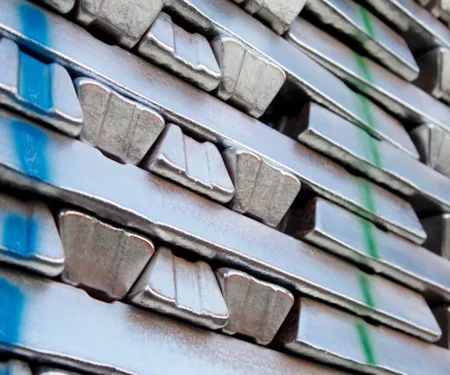
Picture for representational purposes only
The US mining giant, long accused of jeopardising water safety, has drawn criticism for failing to adequately restore the Jarrah forest, which it has reportedly cleared at its bauxite mine sites. Over the years, Alcoa's operations have edged close to Serpentine Dam, a critical drinking water source, heightening fears of water quality risks.
While there is no evidence that Alcoa's activities have directly impacted Perth's water supply, newly obtained documents are declared to paint a more alarming picture behind the scenes.
A tranche of internal reports, secured by independent news outlet Boiling Cold through Freedom of Information laws and reviewed by ABC, reveals deep-seated concerns held by the Water Corporation.
The state government approved Alcoa's bauxite programme in December 2023, subject to strict environmental controls. However, internal documents show officials anticipated public backlash.
"This relaxation is likely to be highly contentious to the community and certain interest groups," one report stated.
Another internal document on drinking water safety disclosed that the Water Corporation and the Department of Water and Environmental Regulation (DWER) remained unconvinced that the existing protection measures were robust enough.
In a significant move, the Water Corporation even requested to be removed as a decision-making body from a government committee tasked with advising on bauxite state agreements, a clear signal of its discomfort with the current oversight.
Further raising the stakes, a report from Water Corporation chief executive Pat Donovan alleged the potential fallout from a contamination incident at Serpentine Pipehead Dam.
Thousands of customers could be impacted within hours of contaminated water entering Serpentine Pipehead Dam — Donovan's warning to the board following a site visit and meeting with Alcoa stakeholders in April last year.
"Depending on the contamination event, this may result in the Department of Health issuing a boiled water advisory and/or Water Corporation needing to supply bottled water to more than 100,000 customers," said Donovan, also outlining how, after several weeks of relying on alternative dams and depleting storage, the situation could escalate into "widespread water restrictions across the entire Integrated Water Supply Scheme."
Despite these stark warnings, Alcoa has sought to reassure the public, insisting there is no cause for alarm.
In a statement, the company said it "continues to comply with the strict conditions put in place by the state government". It had deferred mining activity in the reservoir protection zone.
"The community can continue to have confidence in Alcoa's multi-decade track record of operating in WA without ever negatively impacting drinking water supply," the statement reaffirmed.
Premier Roger Cook doubled down on the government's stance, emphasising that protecting the state's drinking water remains the "highest priority".
"We have extra people on the ground to make sure that when [Alcoa] are undertaking mining activities in those riskier areas, every precaution is taken to ensure they don't present an unnecessary or significant risk to our drinking water catchment," Cook said.
Acknowledging Alcoa's economic importance, Cook added, "We know that Alcoa employ literally thousands of Western Australians. The work they do is vital, not only to those West Aussies who work for them but to the WA economy. But we will protect our environment through stringent, contemporary, and very strong oversight."
However, conservationists argue the government's assurances fall short.
Conservation Council WA acting campaigns director Mia Pepper said the revelations should be "raising alarm bells with Alcoa". "When things go wrong, they go very wrong, and it's very expensive to clean up," she told ABC Radio Perth. "There is a huge cost to both workers and the community when it comes to public health and exposure to contaminants, as we can expect to see here if things go badly."
Pepper urged the state to strengthen legislation to protect WA's precious water resources.
Information source: ABC News












_md.webp)
_md.webp)
_md.webp)