Geopolitical tensions keep aluminium prices volatile, while long-term demand outlook remains firm

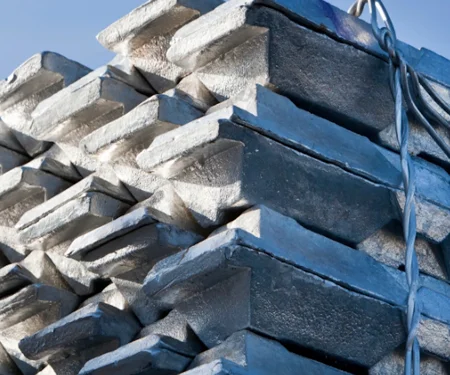
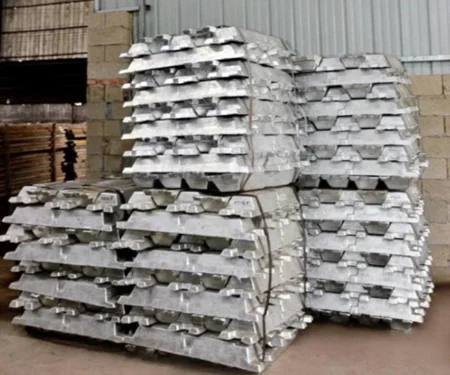
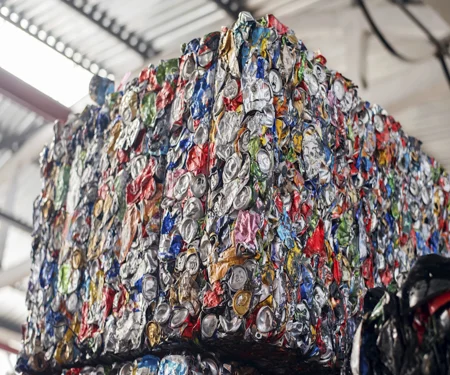
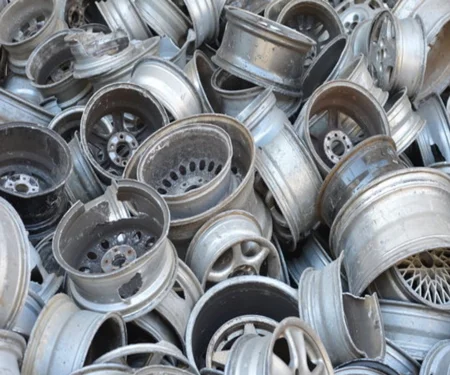
The image used in this article is generated with an AI tool and does not depict any real-time moment
For much of 2026, aluminium prices have been driven more by geopolitics than by underlying demand. As tensions between the US and Iran intensified, fears of disrupted shipments through the Strait of Hormuz pushed LME aluminium higher, with prices rising to around a four-year high and reaching an intraday peak above USD 3,700 per tonne
The ceasefire eased those concerns, and the geopolitical risk premium quickly faded. LME aluminium prices corrected by more than 17 per cent to around USD 3,019 per tonne. Aluminium stocks also came under pressure, with National Aluminium Company (Nalco) declining more than 19 per cent and Hindalco Industries falling over 15 per cent since the beginning of June. However, renewed attacks involving Iran and the US have again raised concerns over the Strait of Hormuz, raising the possibility of fresh volatility in aluminium prices.
Analysts said the sharp movements this year have reflected geopolitical developments rather than changes in aluminium consumption. Demand from the power, renewable energy and electric vehicle sectors has remained firm, while global supply growth continues to be relatively limited. This has kept analysts positive on Indian aluminium producers such as Nalco, Hindalco Industries and Vedanta Aluminium Metal despite recent price corrections.
Hitesh Jain, Lead Analyst at Yes Securities, said aluminium prices are likely to remain resilient despite additional supply expected from Indonesia and China. He expects prices to trade in the range of USD 2,800-3,000 per tonne over the medium term, supported by demand from the power, renewable energy and electric vehicle sectors. Jain also remains positive on the long-term outlook, citing favourable demand-supply dynamics.
Unlock key insights from leading companies and experts across the aluminium ecosystem with our e-Magazine - Mine to Market: ALuminium Producers & Manufacturers 2026
Aluminium prices are also being shaped by expectations around US interest rates. If markets keep pricing in fewer rate hikes, sentiment could improve and give prices extra support, while June 2026 reports from JPMorgan, ING, and Kotak Securities still point to a global aluminium deficit this year. Kotak Securities estimates aluminium demand will grow at a compound annual rate (CAGR) of 1.5 per cent between 2026 and 2029, slightly ahead of the expected 1.3 per cent growth in supply over the same period.
Indonesia's aluminium expansion plans are also being closely watched. The country aims to increase aluminium smelting capacity to 14.9 million tonnes by 2030. However, Aditya Welekar, Senior Research Analyst at Axis Direct, said achieving that target would require substantial additional power-generation capacity. He estimates Indonesia's aluminium capacity is more likely to reach 3.4-3.5 million tonnes by 2030 because of power constraints.
China, meanwhile, is approaching its effective aluminium production cap of 45 million tonnes, limiting its ability to significantly increase output. Analysts said the production ceiling is likely to restrict additional global supply and support a tighter aluminium market over the medium term.
To know the long-term bauxite market forecast, book our report: “Global Bauxite & Alumina Market Forecast to 2036: Supply–Demand, Trade Flows & Price Outlook”
Among Indian producers, Hindalco is expected to benefit from stable aluminium prices, a new alumina refinery and lower bauxite mining and coal costs. Nalco's earnings are likely to be supported by higher aluminium prices, rupee depreciation and additional alumina refining capacity. Vedanta Aluminium Metal is also expected to benefit from stable prices, healthy demand and ongoing capacity expansion, with Emkay Global highlighting its deleveraging efforts, improving return ratios and stronger earnings visibility.
Analysts said the aluminium market will continue to react to geopolitical developments, particularly in West Asia. Faster-than-expected supply additions, weaker global economic growth and changes in US Federal Reserve policy remain key risks for aluminium prices and producers' earnings.
Oceania's H1 2026 primary aluminium production rises 2.2% Y-o-Y to 943,000t as Q2 recovery offsets weather-hit Q1
Next articleBeyond the tariff wall: Will Washington’s new aluminium incentive programme succeed where tariffs alone failed?
Grow with
AL Circle