China Aug aluminium imports down 14.7% Y-o-Y, Russia accounts for 96% of supply
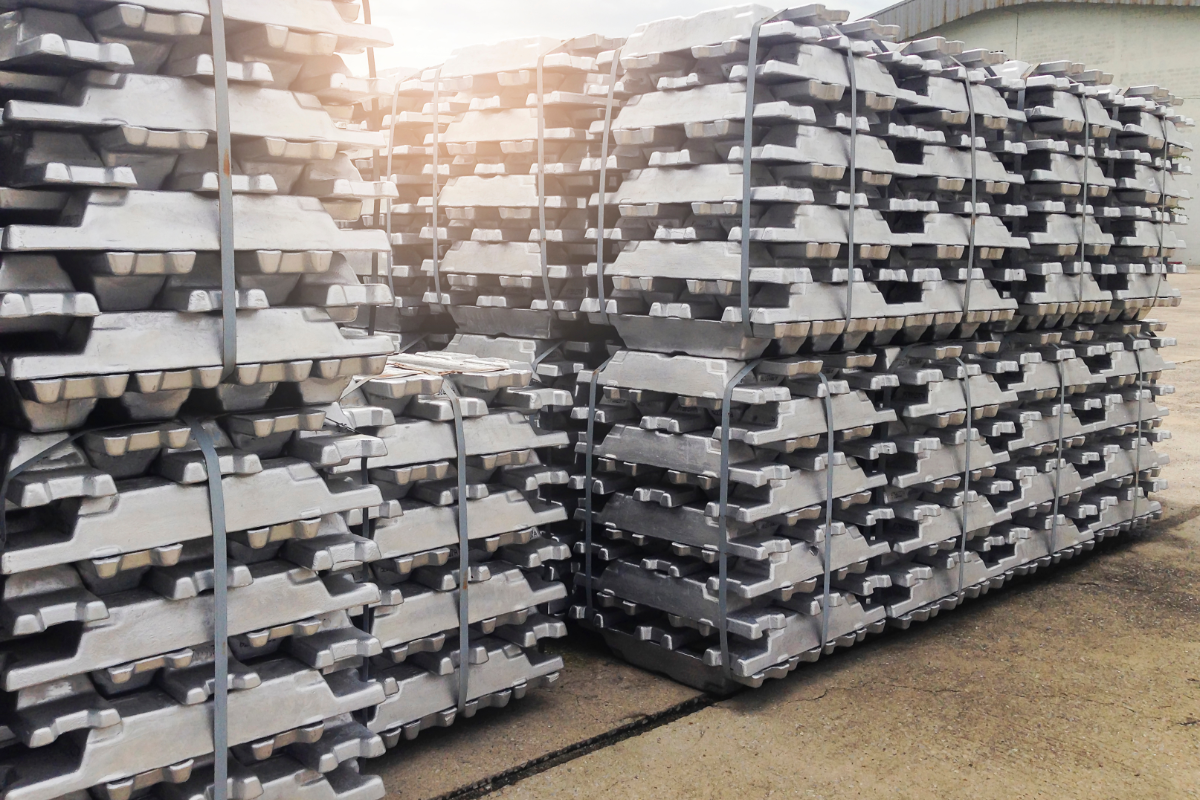
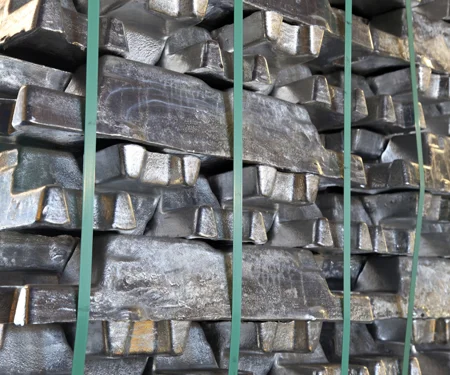
Stock image for referential purposes only
According to data released by the General Administration of Customs of the People's Republic of China (GACC), China's total primary aluminium imports reached 185,500 tonnes in August 2026, down 14.65 per cent year-on-year but up 0.16 per cent month-on-month. Total imports for January-August amounted to 1.66 million tonnes, a decrease of 3.41 per cent year-on-year. The 14.65 per cent year-on-year decline in August imports, coupled with a nearly flat month-on-month performance, indicates that imports have not collapsed but rather maintained a steady inflow.
In August, China's total primary aluminium exports stood at 21,900 tonnes, down 14.53 per cent year-on-year and 30.48 per cent month-on-month. Cumulative exports for January-August totalled 167,500 tonnes, up 9.26 per cent year-on-year. The monthly export volume of 21,900 tonnes plummeted 30.48 per cent month-on-month. The persistently low export levels are not due to a lack of overseas demand, but rather stem from tariff barriers and economic constraints on primary aluminium exports. Enterprises prefer to export in the form of aluminium semis and products to capture processing premiums.
Explore the production, demand and consumption forecasts of bauxite and alumina in our report: “Global Bauxite & Alumina Market Forecast to 2036: Supply–Demand, Trade Flows & Price Outlook”
In August, China's net primary aluminium imports totalled 163,600 tonnes, down 14.67 per cent year-on-year and up 6.44 per cent month-on-month. Cumulative net imports for January–August reached 1.49 million tonnes, a decrease of 4.65 per cent year-on-year.
In terms of import origins, Russia remained the dominant supplier, with imports reaching 178,150 tonnes, accounting for an absolute majority. Australia, Indonesia, and Malaysia ranked second to fourth, with imports of 2,920 tonnes, 2,180 tonnes, and 1,800 tonnes, respectively. Imports from other countries such as Oman and New Zealand were relatively small. Overall, import sources remained highly concentrated, with Russia as the core supplier.
Explore primary aluminium suppliers, product listings and trade opportunities on AL Biz
On the export side, destinations were relatively diversified. Major export destinations included India (6,520 tonnes), South Korea (5,730 tonnes), and Japan (2,540 tonnes). Indonesia, the UAE, and Taiwan, China also received certain volumes. Exports to the United States were only 270 tonnes. The data shows that Asia is the primary consumption market, while exports to Europe and Russia were minimal.
It is worth noting that despite imports remaining above 180,000 tonnes in August, domestic traders' inventories continued to draw down, supported by three underlying factors. First, domestic aluminium capacity has reached the 45-million-tonne policy ceiling, with operating capacity nearing its upper limit, leaving very limited room for further output growth.
Unlock key insights from leading companies and experts across the aluminium ecosystem with our e-Magazine - Mine to Market: Aluminium Producers & Manufacturers 2026
Second, end-user demand from power grid investment, electric vehicles, photovoltaic mounting structures, and aluminium wire and cable remains resilient, with essential demand staying firm during the transition between peak and off-peak seasons.
Third, robust aluminium extrusion exports have created an implicit inventory draw, consuming domestic stocks more efficiently than primary aluminium exports. Therefore, the replenishment from imported aluminium ingots has not reversed the destocking trend; instead, it validates the genuine strength of domestic demand, providing positive feedback to aluminium prices.
Fluctuations in the SHFE/LME price ratio continue to influence primary aluminium import volumes. The aluminium ingots imported into China have not altered the declining trend of traders' inventories and have provided positive feedback to domestic aluminium demand. Due to low profitability, primary aluminium exports remain low, with overseas shipments dominated by aluminium semis.
Note: This news is published under a content and exchange agreement with Mysteel
Grow with
AL Circle