Low-carbon aluminium vs copper: Who is really paying the green premium?
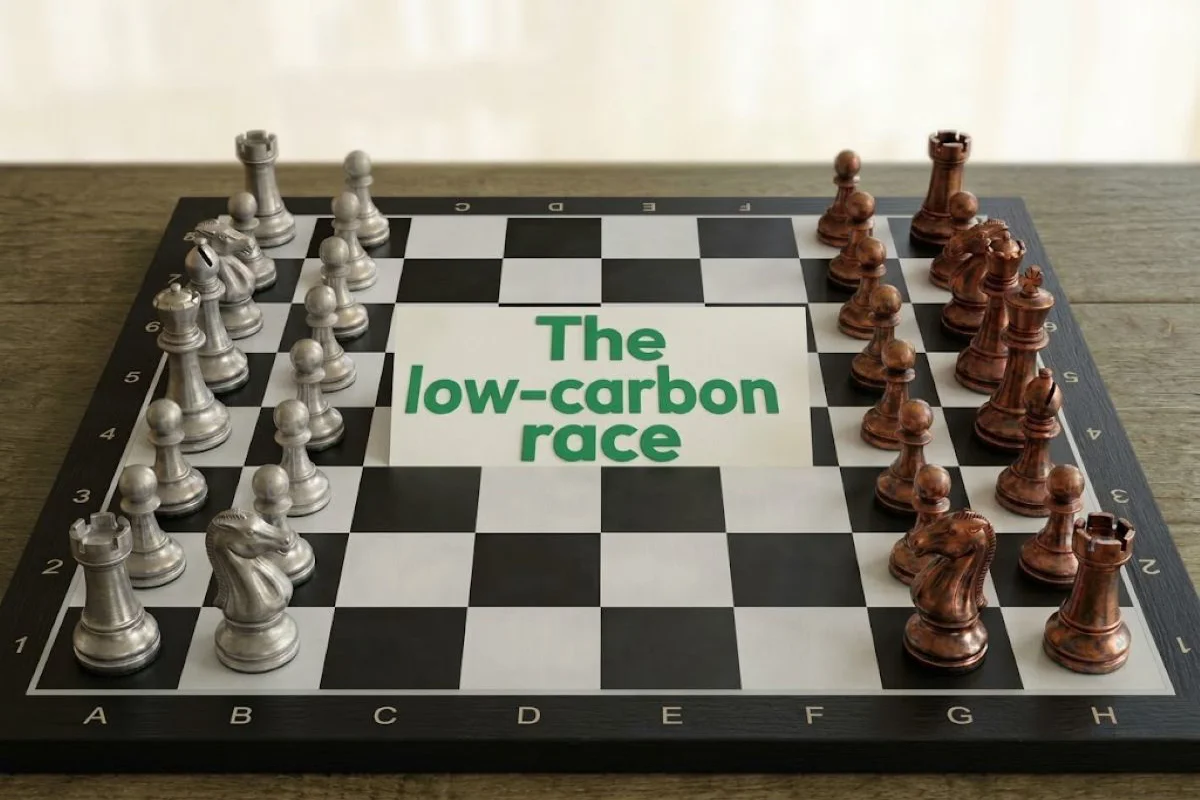
The image used in this article is generated with an AI tool and does not depict any real-time moment
The transition towards lower-carbon manufacturing is changing how companies evaluate aluminium and copper. Beyond availability and technical performance, buyers are increasingly examining the emissions embedded in the metals they purchase and whether reducing that footprint justifies a higher price.
While low-carbon aluminium has developed into an established premium market, low-carbon copper remains at a developing stage, raising the loaded question: How much are buyers willing to pay for lower-carbon metal?
Explore the production, demand and consumption forecasts of bauxite and alumina in our report: “Global Bauxite & Alumina Market Forecast to 2036: Supply–Demand, Trade Flows & Price Outlook”
Why aluminium is further ahead
Aluminium has had more time to establish a market for lower-emission material. Its energy-intensive production has made its electricity source a central part of the emissions debate. Its recyclability has also encouraged consumers to examine its environmental impact throughout the material’s life cycle.
Copper, by comparison, remains at an earlier stage. Interest in low-carbon cathode is increasing, but trading volumes are still relatively small and concentrated mainly in Europe. The market is yet to develop the same level of familiarity and transparency around premium pricing.
Buyers need proof, not just sustainability claims
The next phase of the low-carbon metals market depends on purchasing decisions.
Automotive manufacturers, cable producers and other industrial consumers are working to reduce supply-chain emissions. Their procurement teams are increasingly considering life-cycle assessments, emissions reporting and the carbon footprint of the materials used in manufacturing.
This places greater importance on reliable documentation. Producers able to demonstrate their emissions performance may have a stronger basis for negotiating a premium, while buyers need consistent data to compare competing supplies.
However, documented lower emissions alone may not be enough. The availability of suitable material and the security of supply would also determine whether customers are willing to commit to higher prices.
Explore primary aluminium suppliers, product listings and trade opportunities on AL Biz
Hydropower offers aluminium a supply edge
The supply of low-carbon aluminium remains concentrated in regions with access to hydropower, such as Canada, Iceland and New Zealand. Since renewable electricity is not equally available to producers worldwide, the market faces limitations in expanding low-emission supply.
This restricted availability has helped support aluminium’s premium structure. Buyers seeking lower-carbon material may have to balance environmental objectives against sourcing options, regional premiums and the cost of securing the required metal.
Copper’s lower-carbon market is not yet facing the same apparent supply pressure. Its limited trading activity is partly linked to the market’s early stage of development, with many transactions being concluded through long-term contracts rather than spot purchases.
Premiums test buyers’ willingness to pay
The willingness to pay is becoming clearer in both markets, although the premium levels and structures differ.
For aluminium, low-carbon premiums are added to regional aluminium premiums and vary according to supply, demand, brand and origin. Demand from sustainability-focused customers has helped support these additional costs over several years.
In copper, low-carbon cathodes with exceptionally low emissions can trade at more than USD 100 per tonne above conventional material.
Long-term agreements remain important in both markets, helping consumers secure supplies while allowing producers to establish pricing structures for lower-emission products. Such conditions strongly reinforce premium pricing structures while providing greater supply security.
CBAM complicates the aluminium equation
Aluminium buyers in Europe face an additional consideration through the European Union’s (EU’s) Carbon Border Adjustment Mechanism (CBAM), which does not cover copper.
The mechanism introduces a carbon-related cost for certain imported products. However, its treatment of emissions does not fully match the broader definition of low-carbon aluminium.
Aluminium’s footprint is strongly influenced by electricity consumption, or Scope 2 emissions, while CBAM focuses primarily on direct Scope 1 emissions. As a result, buyers sourcing genuinely lower-carbon aluminium may still face CBAM-related costs alongside separate market premiums.
This complicates the purchasing calculation, especially for companies seeking to reduce their total emissions rather than simply meet a regulatory requirement.
Unlock key insights from leading companies and experts across the aluminium ecosystem with our e-Magazine - Mine to Market: Aluminium Producers & Manufacturers 2026
The market’s next challenge is wider adoption
Demand for lower-carbon metals is expected to grow alongside electrification, renewable energy projects, electric vehicles, AI infrastructure and data centres. These sectors require more metal while placing increasing pressure on manufacturers to control emissions.
Aluminium already has the foundations of a functioning low-carbon premium market. Copper is still developing the benchmarks, trading practices and supply arrangements needed to achieve broader adoption.
The long-term question is consequently shifting from whether greener metal can command a premium to whether enough buyers will consider the emissions reduction valuable enough to pay for it, and whether producers can supply that material, aluminium or copper, at scale.
Mexico prioritizes aluminum tariff cuts as US trade talks shift to October
Next articleLME aluminium price graph drops to $3,228/t as stocks dip by 0.31% on September 24
Grow with
AL Circle