Oklahoma Primary Aluminum releases $49b economic impact study for proposed Inola smelter
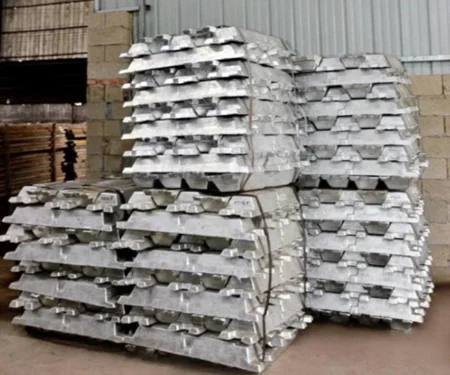
Stock image for referential purposes only
Oklahoma Primary Aluminum has released a new economic impact study for its proposed USD 4 billion primary aluminium facility at the Tulsa Port of Inola, projecting a cumulative USD 49 billion contribution to the state’s economy through 2060.
The study, prepared by Regional Economic Models Inc, describes the project as a “generational economic anchor” for northeastern Oklahoma, with thousands of jobs, higher household income and significant annual additions to state and national GDP. It was published as the developers face a local construction moratorium, a planned referendum and ongoing environmental and legal reviews.
Scale and economic impact
The joint venture between Emirates Global Aluminium and Century Aluminum says the 750,000-metric-tonne-per-year smelter would:
Generate approximately 7,000 Oklahoma jobs on average per year over the life of the project, with employment peaking at more than 10,600 in 2029 as construction winds down and operations ramp up.
Add an average of USD 1.45 billion per year to Oklahoma’s GDP, representing nearly 0.7 per cent of the state’s economy, and an average of USD 2.2 billion per year to US GDP.
Deliver about USD 911 million per year in direct, indirect and induced household income to Oklahoma families.
Create at least 1,000 permanent direct jobs in operations, with average annual compensation of approximately USD 100,000, plus around 5,000 indirect and induced jobs and more than 4,000 temporary construction jobs. The developers describe the project as the largest single economic development project in Oklahoma history and the largest advanced-manufacturing anchor in northeastern Oklahoma.
Explore the production, demand and consumption forecasts of bauxite and alumina in our report: "Global Bauxite & Alumina Market Forecast to 2036: Supply–Demand, Trade Flows & Price Outlook"
Jobs, training and local investment
The three-year construction phase is expected to employ about 4,000 workers at prevailing wages, with local hiring prioritised. More than 12 per cent of construction labour, or 375 to 500 positions, is planned to be completed by apprentices.
Oklahoma Primary Aluminum says it is building workforce pipelines through partnerships with Rogers State University, Oklahoma State University, Northeast Tech and the Tulsa Technology Center for technical training, pre-apprenticeship pathways and advanced engineering degrees. The company also points to an estimated USD 400–500 million in additional regional infrastructure investments, funded separately through federal grants and state incentives, for port upgrades, wastewater treatment and a new electric substation.
Technology and environmental performance
The proposed facility would use EGA’s proprietary EX reduction cell technology, designed to improve energy efficiency and meet stringent environmental and safety requirements. The developers say the plant will feature enclosed production units, continuous monitoring and advanced scrubbers that capture and recycle 99 per cent of process fluoride, and that it will meet the lowest fluoride emissions intensity limits for a US primary aluminium plant.
The project will operate under oversight from the Oklahoma Department of Environmental Quality and the US Environmental Protection Agency.
Showcase your brand, aluminium recycling initiatives and sustainability vision in our upcoming magazine: Sustainability & Recycling: Aluminium’s Commitment 2026.
Strategic role in US aluminium supply
Headquartered in Oklahoma, Oklahoma Primary Aluminum is a joint venture between Century Aluminum, the largest producer of primary aluminium in the United States, and EGA, a long-standing supplier to US aerospace, automotive and defence industries.
The United States imports approximately 85 per cent of the primary aluminium it consumes. If completed as planned, the Inola facility would be the first new primary aluminium smelter built in the US since 1980 and would more than double current domestic production capacity. The developers say this would reduce reliance on imported aluminium and strengthen supply chains for aerospace, defence, energy and automotive industries.
Local debate and next steps
The economic impact study was released while the project faces significant local and regulatory uncertainty. The Town of Inola has extended a heavy-industry construction moratorium through April 2027, with residents scheduled to vote on the project in a referendum. A state-court lawsuit and environmental review processes remain unresolved.
Supporters, including state officials, describe the smelter as a transformative, multi-generational opportunity for jobs and tax revenue. Opponents, including the Protect Inola group, have raised concerns about emissions, traffic, infrastructure strain and long-term environmental and health impacts.
The full economic impact study is available on Oklahoma Primary Aluminum’s website, alongside additional project information and resources.
Explore primary aluminium products and connect with verified suppliers on the Al-Biz marketplace.
Alba marks 50 million safe working hours as Deputy King reviews production and Dunkerque acquisition
Next articleLME aluminium cash offer price falls to $3,240/t as opening stocks dip to 242,125t on Sept 23
Grow with
AL Circle