From Oklahoma to Quebec: Inside North America’s million-dollar aluminium buildout
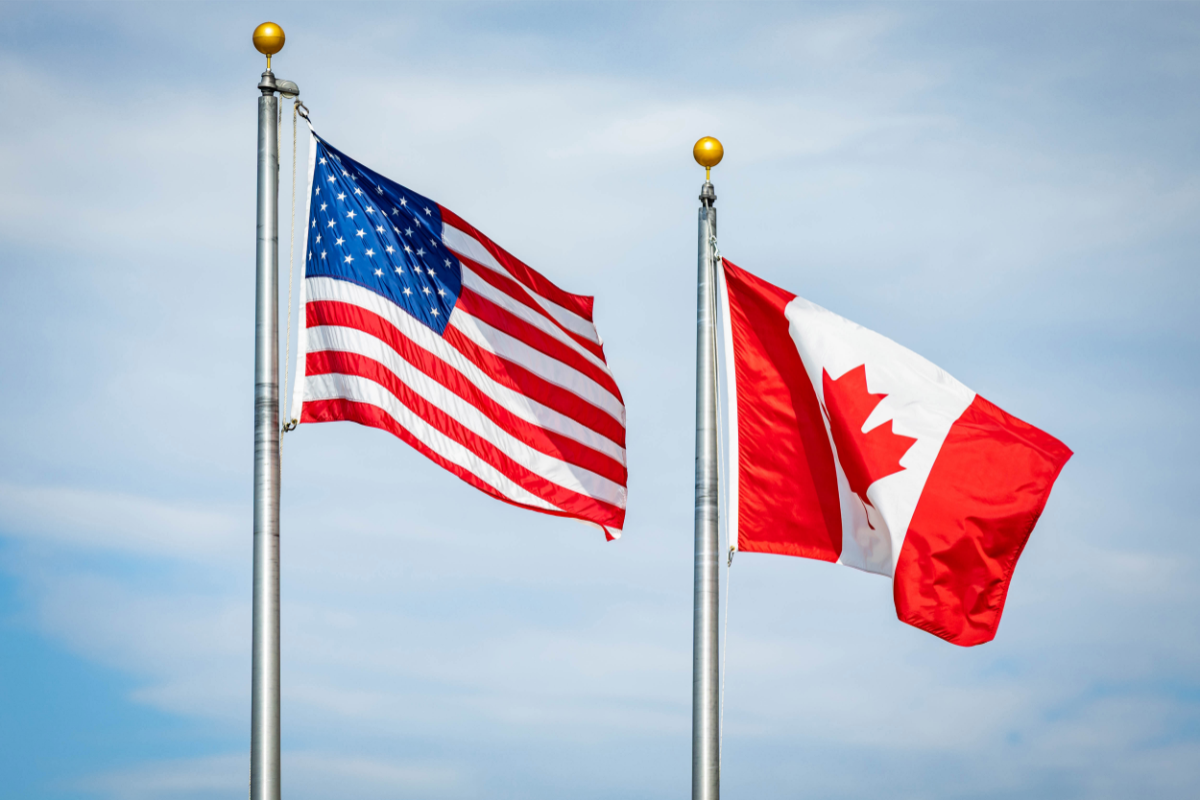
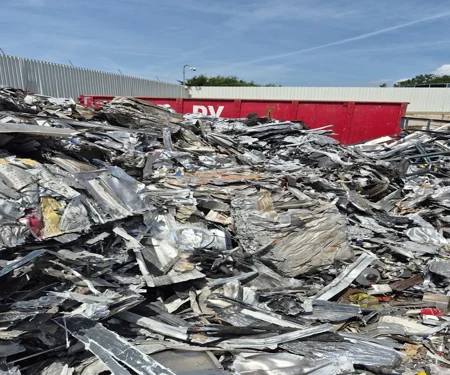
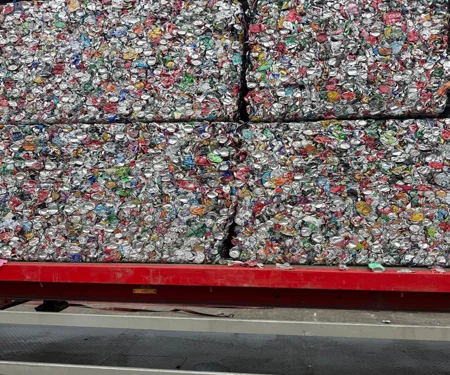
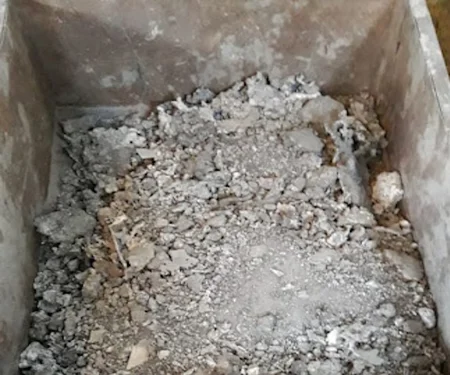
Stock image for referential purposes only
North America’s aluminium industry is entering a new era in 2026. As the US races to rebuild primary smelting capacity from near-zero, Canada pairs expansion with low-carbon innovation and recycling. From a USD 4 billion Oklahoma smelter to Quebec’s newly commissioned AP60 plant, here’s how each nation’s projects stack up.
The US: Rebuilding primary aluminium capacity
The biggest project is the Century Aluminum-Emirates Global Aluminium (EGA) joint venture of a 750,000-tonne-per-year primary aluminium smelter planned in Inola, Oklahoma. Announced in January, the investment of around USD 4 billion would become the first new US primary aluminium smelter in almost 50 years and more than double current domestic primary production.
The US is also strengthening upstream resilience. The federal government has committed USD 450 million to fund and revive the Atlantic Alumina Company’s (ATALCO’s) Gramercy alumina refinery, a Louisiana facility, securing alumina production.
Join the fourth edition of the webinar “Hedging for recyclers - Become an expert in 6 hours” by Jorge Dyszel.
Meanwhile, Century is also restoring capacity at its Mt Holly smelter in South Carolina. Investing USD 50 million to restart idled pot capacity, with the first hot metal produced in April and full production expected by the end of June, it is expected to increase total US primary aluminium production by around 10 per cent.
Century Aluminum also restarted the second potline at its Grundartangi operation in Iceland in June. While this does not add US domestic capacity, the restart strengthens Century’s wider aluminium supply base.
Moreover, Century Aluminum and Brimstone have signed an MOU to establish the first fully domestic mine-to-metal aluminium supply chain in the US. Brimstone will supply alumina to Century from its new production facility, aiming to reduce the country’s heavy reliance on imported alumina.
Further along the expansion curve, Alcoa has agreed to acquire South32’s aluminium value-chain assets in Australia, Brazil and South Africa in a transaction with an implied enterprise value of up to USD 5.6 billion. It would expand Alcoa’s upstream aluminium business, adding bauxite mining, alumina refining and aluminium-smelting capacity across three continents.
Policy is also coming into play. In June, US President Donald Trump signed a new proclamation revising Section 232 tariffs on select aluminium products to be reduced from 25 per cent to 15 per cent. This allows companies with approved plans to build, expand or refurbish US primary smelters.
To explore trade opportunities of secondary aluminium, visit AL Biz
Canada: Low-carbon smelting and recycling take centre stage
Canada is also advancing upstream security. CEM’s Thor Project in Saskatchewan has completed a preliminary economic assessment for chemical-grade and high-purity alumina, with the company now moving towards a demonstration facility and eventual commercialisation.
Canada is also supporting the next generation of smelting technology. In May 2026, the federal government committed CAD 100 million to fund the deployment of ELYSIS inert-anode, carbon-free smelting technology in Canada’s aluminium sector. While the technology targets primary smelting, it strengthens Canada’s overall low-carbon aluminium ecosystem.
Rio Tinto commissioned its expanded AP60 smelting technology at the Complexe Arvida in Quebec in May. The USD 1.5 billion project adds 160,000 tonnes per year of primary aluminium. Once fully ramped up by the end of 2026, AP60 production at Arvida is expected to reach around 220,000 TPA.
The US is pursuing a broader, more diversified strategy, but most of these initiatives are still in planning, funding-commitment, or MOU stages. Canada’s pipeline is narrower, but its flagship project (AP60) has already moved from capital investment to physical output, making Canada’s groundwork demonstrably more advanced as of the reporting date.
If Inola begins construction and Gramercy comes fully online, the US could overtake this lead. But as it stands, Canada has converted more of its 2026 aluminium ambitions into operating capacity.
Showcase your brand, aluminium recycling initiatives and sustainability vision in our upcoming magazine: Sustainability & Recycling: Aluminium’s Commitment 2026.
India's ₹9,150b power grid push could drive new aluminium demand
Next articleEU Parliament backs wider CBAM scope for steel and aluminium products
Grow with
AL Circle