EU Parliament backs wider CBAM scope for steel and aluminium products
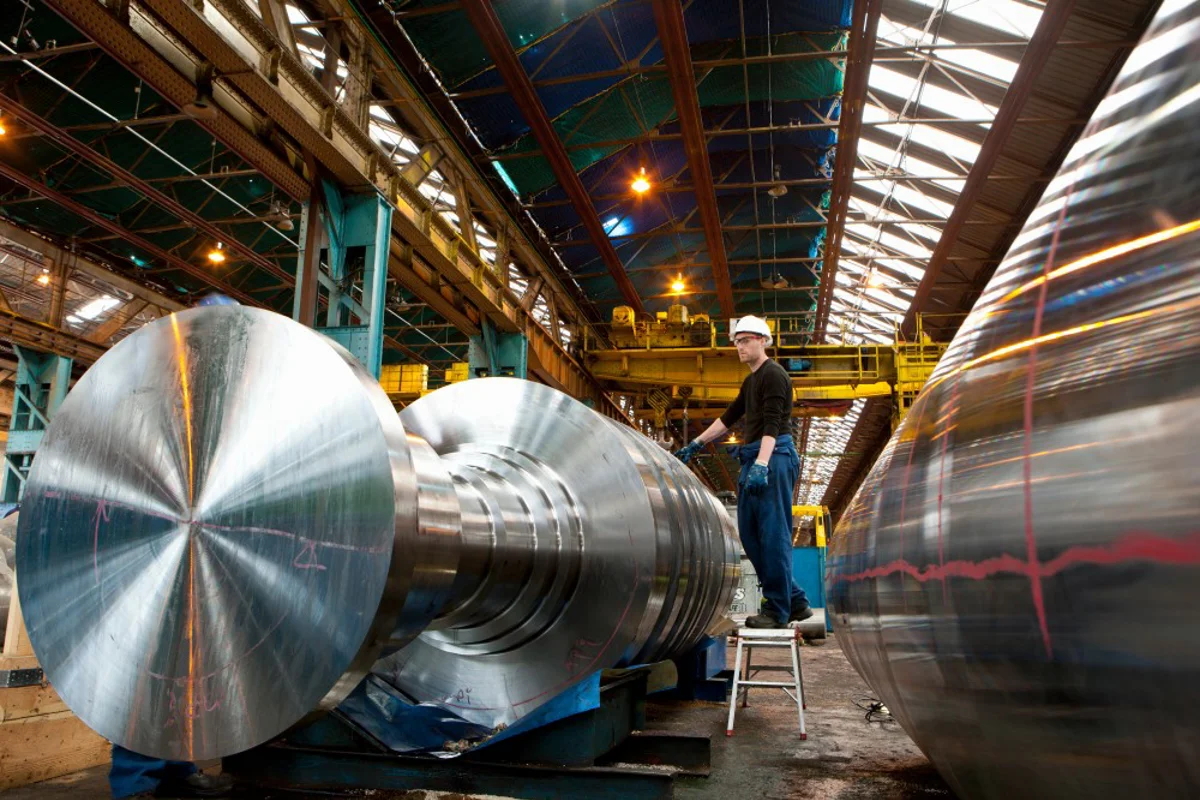
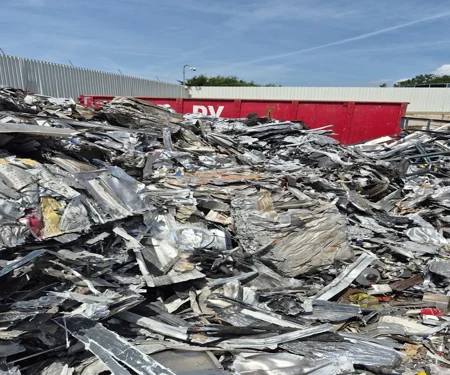
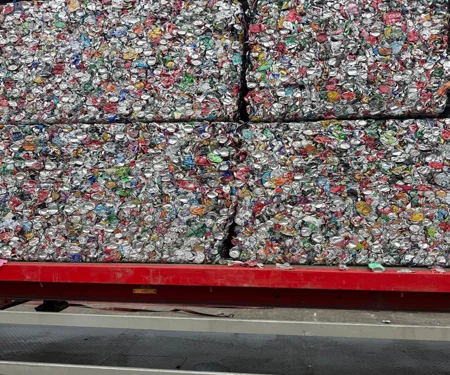
Stock image for referential purposes only
The European Parliament has backed plans to expand the European Union’s Carbon Border Adjustment Mechanism (CBAM) to a wider range of steel and aluminium products, including screws, wires, springs and household utensils.
MEPs approved the Parliament’s position on the proposed CBAM review with 464 votes in favour, 50 against and 159 abstentions, supporting a broader product scope than initially proposed by the European Commission.
The expansion would take the EU’s carbon border system beyond basic raw materials and cover more downstream goods, with the aim of preventing imported products from gaining a cost advantage over European production by avoiding equivalent carbon costs.
The Parliament also wants tighter rules to prevent companies from exploiting gaps in the mechanism.
Parliament targets CBAM loopholes
Under the proposed changes, the threshold at which minor changes to imported products could be treated as an attempt to circumvent CBAM would be lowered.
However, MEPs want the tighter provision to apply specifically to arrangements designed to evade the mechanism, rather than ordinary commercial decisions made by companies seeking to reduce production costs.
The Parliament has also proposed giving the European Commission the ability to use default emissions values based on the actual country of origin of goods when it identifies repeated non-compliance or attempts to circumvent CBAM rules.
The approach is intended to make it harder for importers to avoid carbon-related costs by altering how products are processed or traded before entering the EU market.
MEPs reject temporary product exclusions
MEPs rejected the possibility of temporarily removing certain products from CBAM during periods of significant price increases. Instead, they proposed temporarily directing CBAM revenues from those products towards sectors most affected by higher costs.
The Parliament also wants simplified notification procedures for less developed countries and technical assistance to help them comply with the mechanism.
An exemption is proposed for electricity flows from third countries when those imports are required by network operators to maintain the stability of the electricity system.
Decarbonisation support could start in 2027
Alongside the CBAM changes, Parliament backed a temporary decarbonisation fund designed to support European producers competing internationally against companies that do not face comparable carbon costs.
The proposal received 433 votes in favour, 97 against and 146 abstentions.
MEPs want the fund to operate from 2027 to 2029, bringing its proposed start forward by one year from the European Commission's original 2028 timeline.
The Parliament also wants to broaden the fund beyond the sectors initially envisaged, including fertiliser manufacturers and companies that use fertilisers and face higher carbon-related costs.
Products such as urea, ammonium nitrate and ammonium sulfate would fall within the expanded support framework, reflecting their importance to food security.
More broadly, MEPs want companies that use CBAM-covered products as raw materials in their manufacturing processes to be eligible for the support.
Any unused funds, under Parliament's proposal, would instead be directed towards the EU's international climate-financing commitments under the Paris Agreement rather than returned to member states.
Final CBAM rules still need to be agreed
With the two positions now approved, the European Parliament can begin negotiations with EU member-state governments to reach agreement on the final legislation.
For steel and aluminium producers and downstream manufacturers, the proposed expansion would widen the range of goods whose embedded carbon emissions become relevant when entering the European market, while the proposed decarbonisation fund could provide additional support to affected European industries.
From Oklahoma to Quebec: Inside North America’s million-dollar aluminium buildout
Next articleEuropean Aluminium and ACEA urge EU to include low-carbon aluminium in car CO2 credits
Grow with
AL Circle