European Aluminium and ACEA urge EU to include low-carbon aluminium in car CO2 credits
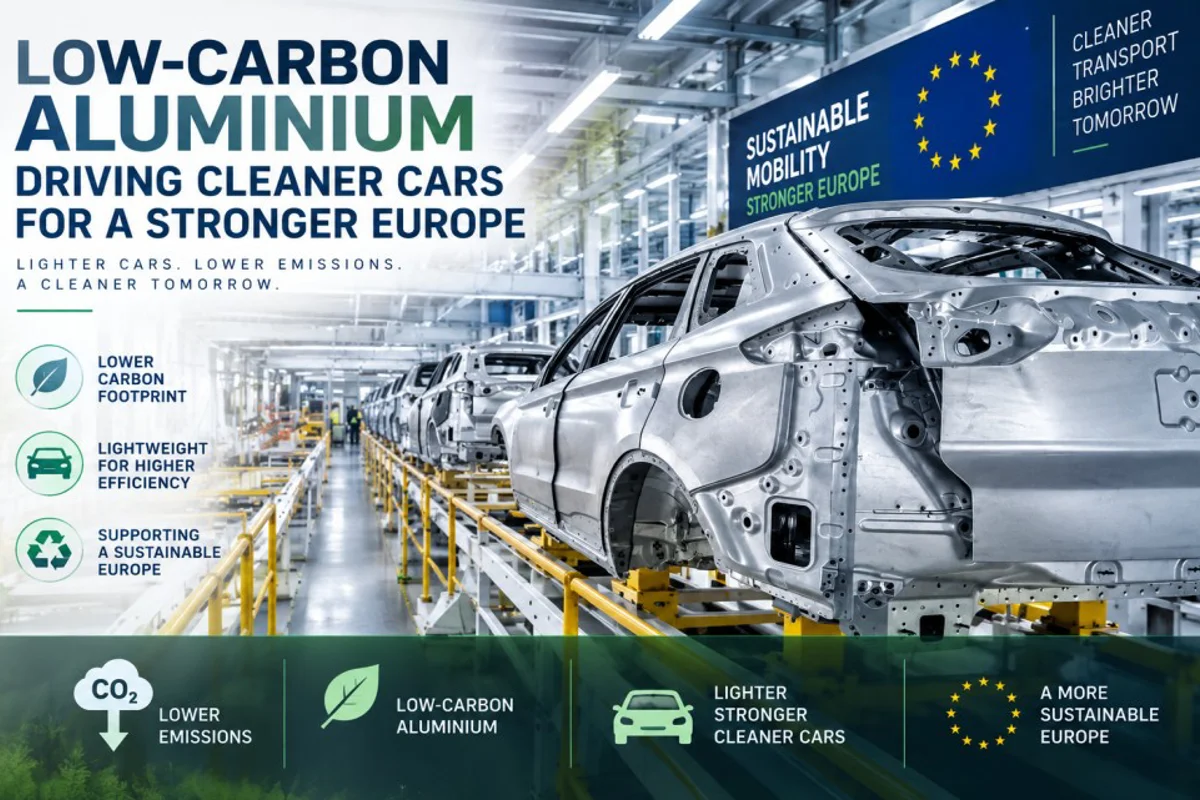
Stock image for referential purposes only
European Aluminium and the European Automobile Manufacturers’ Association (ACEA) are calling on the European Parliament and the Council to make low-carbon aluminium eligible alongside steel under the proposed material-credit mechanism for vehicle CO2 standards.
The joint industry statement focuses on the revision of Regulation (EU) 2019/631, under proposal 2025/0420 (COD). The two organisations want both materials covered by a single, technology-neutral mechanism with harmonised carbon-intensity thresholds and verification rules.
They said the approach would give automakers greater flexibility in meeting regulatory requirements while supporting European markets for low-carbon materials. It would also allow vehicle engineers to continue selecting materials based on technical and economic requirements.
Aluminium seeks equal treatment with steel
The call comes as EU member states consider the proposed credit system. The Irish Presidency Steering Note of July 30 indicates broad support for recognising low-carbon steel and describes the mechanism as both a compliance flexibility for automakers and a way to stimulate demand for low-carbon materials produced in Europe.
European Aluminium and ACEA said including aluminium would align with the broader objectives of the Industrial Accelerator Act (IAA), which identifies both steel and aluminium as strategic parts of Europe’s industrial base and supports stronger demand-side measures for their decarbonisation.
The European Commission is also expected to establish a definition and carbon-intensity methodology for low-carbon aluminium through a delegated act under the Ecodesign for Sustainable Products Regulation (ESPR).
The two organisations said the CO2 standards regulation should build on that work rather than create a separate accounting framework for aluminium.
Industry calls for a technology-neutral approach
The joint statement outlines three principles for the proposed credit mechanism.
First, European Aluminium and ACEA want the system to maintain technology neutrality and a level playing field between steel and aluminium. Both materials are widely used in vehicles and can offer different technical solutions for individual components.
A system that recognises only one material, they said, could influence material selection for regulatory reasons rather than technical, environmental, or economic considerations.
Recognising both low-carbon steel and aluminium would allow automakers to choose the material or combination of materials best suited to each vehicle and component while rewarding verified reductions in the carbon footprint of European-produced materials.
Replacing conventional steel components with aluminium in suitable applications can reduce component weight. In electric vehicles, lower weight can contribute to greater driving range and energy efficiency and potentially reduce the battery capacity needed for a given performance level.
The groups said a technology-neutral credit mechanism should therefore allow manufacturers to balance vehicle weight, battery size, safety, performance, affordability, and lifecycle emissions.
Existing EU methodology could support implementation
Work on defining low-carbon aluminium, establishing carbon-intensity methodology, and verifying emissions is progressing under the ESPR framework. European Aluminium and ACEA said the revised CO2 standards regulation should reference this methodology and remain consistent with the IAA's carbon labelling and lead-market provisions.
According to the organisations, using existing frameworks would provide material producers and automakers with a clearer implementation pathway while avoiding the need to develop a new multi-material carbon-accounting system specifically for Regulation (EU) 2019/631.
Proposed changes to Article 5b
European Aluminium and ACEA are asking EU lawmakers to amend Article 5b so that both low-carbon steel and low-carbon aluminium qualify under the proposed material-credit mechanism.
ACEA mentioned that a well-designed system should:
- Provide flexibility for automakers
- Create demand for verified low-carbon aluminium and steel produced in Europe
- Maintain fair competition and technology neutrality between materials
- Support vehicle lightweighting and energy efficiency
- Use robust, harmonised, and transparent carbon-accounting rules
- Strengthen the competitiveness and decarbonisation of Europe’s automotive, aluminium, and steel value chains.
The organisations said the mechanism should reward the use of low-carbon European materials and accelerate industrial decarbonisation rather than create a regulatory preference for one material. They argue that recognising both materials would create a more balanced framework for automakers and European material producers while supporting the EU’s climate and industrial objectives.
EU Parliament backs wider CBAM scope for steel and aluminium products
Next articleChina’s carbon market hits record 235Mt trading volume as aluminium joins the fold
Grow with
AL Circle