From iPhones to trucks, aluminium's downstream and end-user demand story is gathering pace
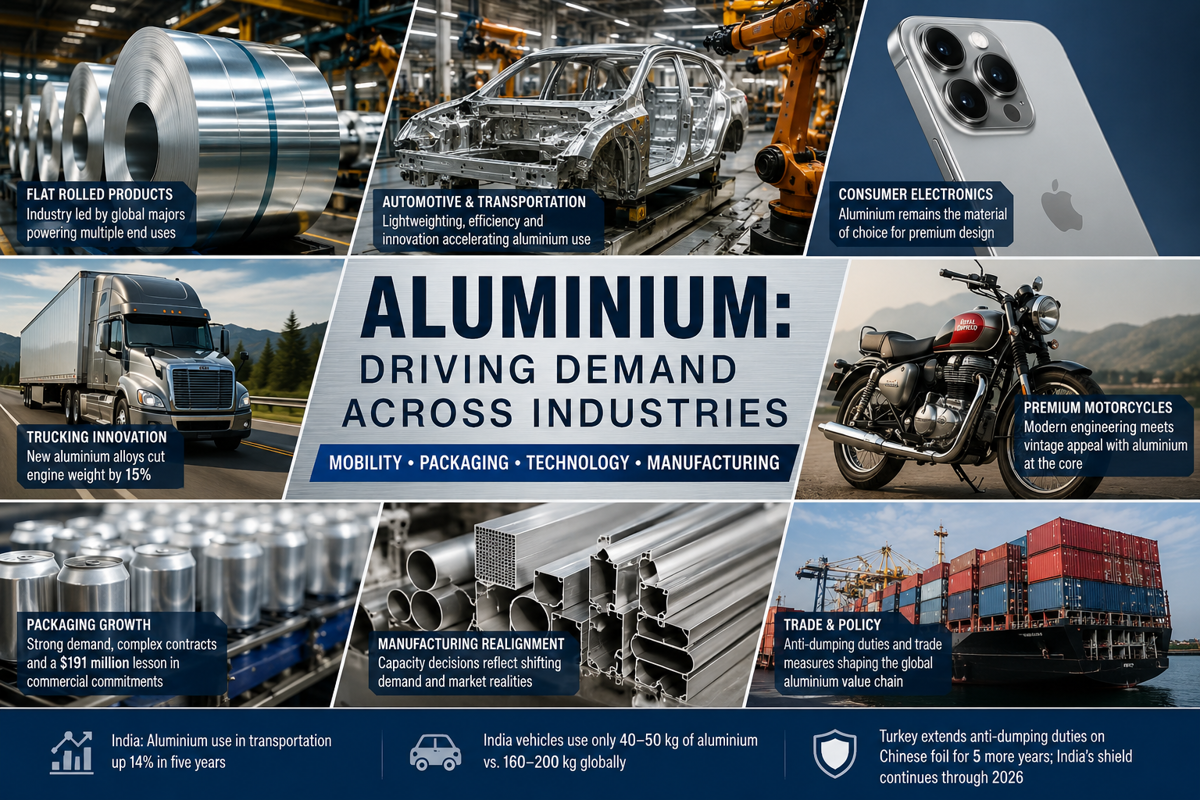
The image used in this article is generated with an AI tool and does not depict any real-time moment
If you wanted to understand where aluminium demand is heading in 2026, you could spend hours tracking smelter output, warehouse stocks and trade flows. Or you could simply look at the products shaping everyday life.
A smartphone. A motorcycle. A truck engine. A beverage can. A roll of aluminium foil.
At first glance, these products have little in common. Yet each has emerged as a piece of aluminium's downstream story this year, offering clues about where demand is accelerating, where manufacturers are placing their bets and where governments are drawing protective lines around domestic industries.
For an industry often consumed by discussions about bauxite, alumina, tariffs and energy costs, some of the most revealing developments of 2026 have occurred much further down the value chain. In fact, the real story is no longer about how much aluminium the world can produce. It is about where that aluminium is ultimately finding a home.
And the answer increasingly lies in mobility, consumer products, packaging and advanced manufacturing.
Aluminium is having a consumer moment
One of the year's most talked-about aluminium stories came not from a smelter or rolling mill, but from a smartphone leak.
Reports surrounding the alleged aluminium frames of Apple's upcoming iPhone 18 Pro Max once again highlighted the metal's enduring appeal in consumer electronics. Despite constant experimentation with materials, aluminium continues to strike a balance between strength, weight, durability and premium aesthetics that few alternatives can match.
The same story is playing out beyond smartphones. Royal Enfield's new Classic 650, which combines retro styling with modern engineering, reflects how aluminium remains embedded in the design philosophy of contemporary motorcycles, helping manufacturers balance performance, durability and rider experience.
These applications may consume far less metal than an automotive assembly line or a packaging plant, but they carry an outsized influence. Consumer products shape perceptions. They reinforce aluminium's image not merely as an industrial material, but as a premium material.
And perception matters. Today's smartphone frame often becomes tomorrow's automotive interior component or architectural finish.
Explore the accurate insights and forecasts for the aluminium flat rolled products (FRP) market in Aluminium Flat Rolled Products: Insights & Forecast to 2032
The race to make everything lighter
If there is one downstream theme that consistently resurfaced throughout, it is lightweighting.
The numbers from India tell a fascinating story. Aluminium consumption in the country’s transportation sector has increased by 14 per cent over the past five years. Yet the average Indian vehicle still contains only 40-50 kilograms of aluminium, compared with 160-200 kilograms in many developed automotive markets.
This gap may represent one of the industry's largest untapped opportunities for aluminium producers as the transition is already underway.
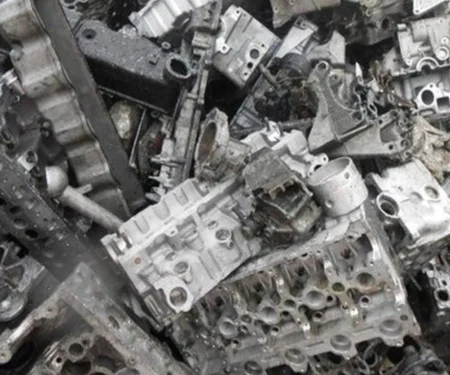
Elsewhere, researchers in the United States recently developed aluminium alloy formulations capable of reducing truck engine weight by around 15 per cent. The breakthrough illustrates how aluminium's role is evolving beyond body panels and structural components into performance-critical applications where every kilogram removed translates into efficiency gains.
Meanwhile, Novelis’ decision to restart its Oswego facility, the largest aluminium mill in the United States, serves as another reminder of where manufacturers expect future demand to emerge. Automotive supply chains remain heavily dependent on rolled aluminium products, particularly as vehicle makers pursue stricter efficiency targets and electrification strategies.
Not every downstream story is about growth
Yet the downstream landscape is not uniformly bullish. While Novelis was restarting capacity, Hydro was preparing to shut two aluminium extrusion plants in the United States by 2027. The contrast captures a reality often overlooked in broad industry discussions.
Demand is growing, but not equally everywhere. Certain product segments are benefiting from structural trends such as electrification, lightweighting and sustainability. Others are facing overcapacity, margin pressure and changing customer requirements. Rather than a straightforward expansion story, downstream aluminium is undergoing a process of selective reinvention.
A beer can, a court battle and a USD 191 million reminder
One of the recent months’ most unusual aluminium stories arrived not from a factory floor but from a legal dispute.
Boston Beer's agreement to pay USD 191 million to aluminium can manufacturer Ardagh highlighted the increasingly complex commercial relationships underpinning the packaging sector.
At first glance, the dispute may appear disconnected from broader industry trends. In reality, it underscores the growing value of downstream aluminium assets.
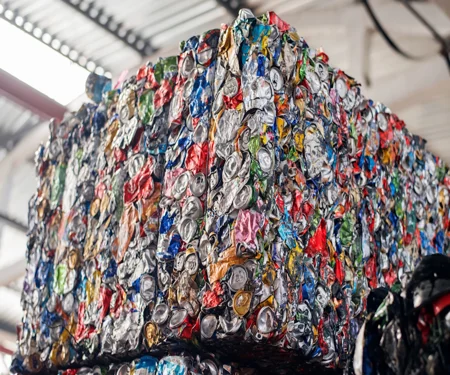
Packaging remains one of aluminium’s strongest end-use markets. Beverage brands continue to favour aluminium cans because of their recyclability, durability and established circular economy credentials. As demand remains resilient, contracts and supply agreements have become increasingly strategic.
Sometimes, as this case demonstrated, they also become extremely expensive.
The new battleground isn't metal. It's manufacturing.
Perhaps the most important downstream story is not about production volumes at all. It is about who gets to manufacture value-added products.
The aluminium flat rolled products sector continues to be dominated by a group of global producers supplying automotive, packaging, construction and industrial markets. Their influence stretches far beyond tonnage. They effectively determine where investment flows, which technologies gain traction and which end-use sectors receive priority attention.
At the same time, governments are becoming increasingly protective of domestic downstream industries.
Turkey's decision to extend anti-dumping duties on Chinese aluminium foil for another five years and India's move to continue anti-dumping protection on selected foil imports through 2026 are part of a broader global trend. Countries are no longer focused solely on securing raw materials. They are increasingly determined to retain manufacturing capability.
For decades, discussions revolved around who controlled mines, refineries and smelters. Today, a growing share of strategic importance lies further downstream — in rolling mills, extrusion plants, foil converters and advanced manufacturing facilities.
Explore the position of aluminium at the intersection of sustainability and strategy in Sustainability & Recycling: Aluminium's Dual Commitment
Beyond the smelter
Viewed individually, the stories of an iPhone frame, a motorcycle launch, a truck alloy, a beer can dispute and a foil tariff extension appear unrelated.
Viewed together, they tell a different story.
They reveal an industry whose future growth is increasingly tied to what happens after the metal leaves the smelter.
The most interesting aluminium developments have not been confined to mines, refineries or even primary metal production. They have appeared in consumer products, transportation systems, packaging lines and manufacturing plants.

Norton Atlas range highlights aluminium’s role in lightweight motorcycle design
Next articleAustal Vietnam marks new manufacturing milestone with aluminium-steel hybrid ferry
Grow with
AL Circle