From Asia to South America: How aluminium packaging hubs are affected by the Middle East conflict

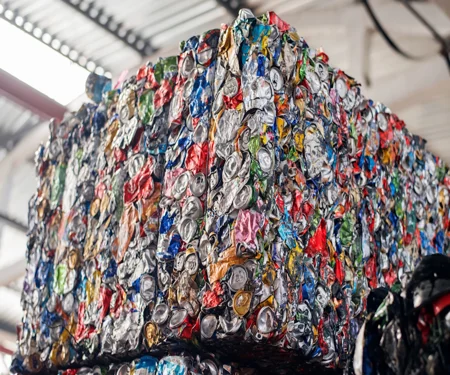
The image used in this article is generated with an AI tool and does not depict any real-time moment
The aluminium packaging sector, which consumed around 16.70 million tonnes in 2025 and is projected to approach 17.16 million tonnes in 2026, is now confronting the risk of losing 3-3.5 million tonnes of aluminium supply this year. Packaging industries across Asia, Europe, the United States and Brazil are coming under mounting pressure as escalating tensions in the Middle East threaten to disrupt raw material supply chains.
The Middle East produced 6.8 million tonnes of aluminium, accounting for 23 per cent of global output. The UAE remained the region’s largest producer with 2.7 million tonnes, contributing 39 per cent of Middle Eastern output. Bahrain followed with 1.6 million tonnes, or 24 per cent, while Saudi Arabia produced 0.9 million tonnes, representing 13 per cent. Qatar contributed 0.7 million tonnes, or 10 per cent, Iran produced 0.6 million tonnes, or 9 per cent, and Oman accounted for 0.4 million tonnes, or 6 per cent.
Around 80-85 per cent of the region’s aluminium production is exported, equal to nearly 5.3 million tonnes and representing roughly 18 per cent of global aluminium exports.
Unlock full access – sign up for FREE.
Key benefits
Skuld files patent application for scrap-to-wrought aluminium casting process under DARPA programme
Next articleCooler Master launches aluminium-framed MasterFan A and M Series cooling fans
Grow with
AL Circle