Europe's 36% BEV surge meets a 42% aluminium consumption share in Q1'26, as China's EV sales slide 21% and the US market shrinks 9%
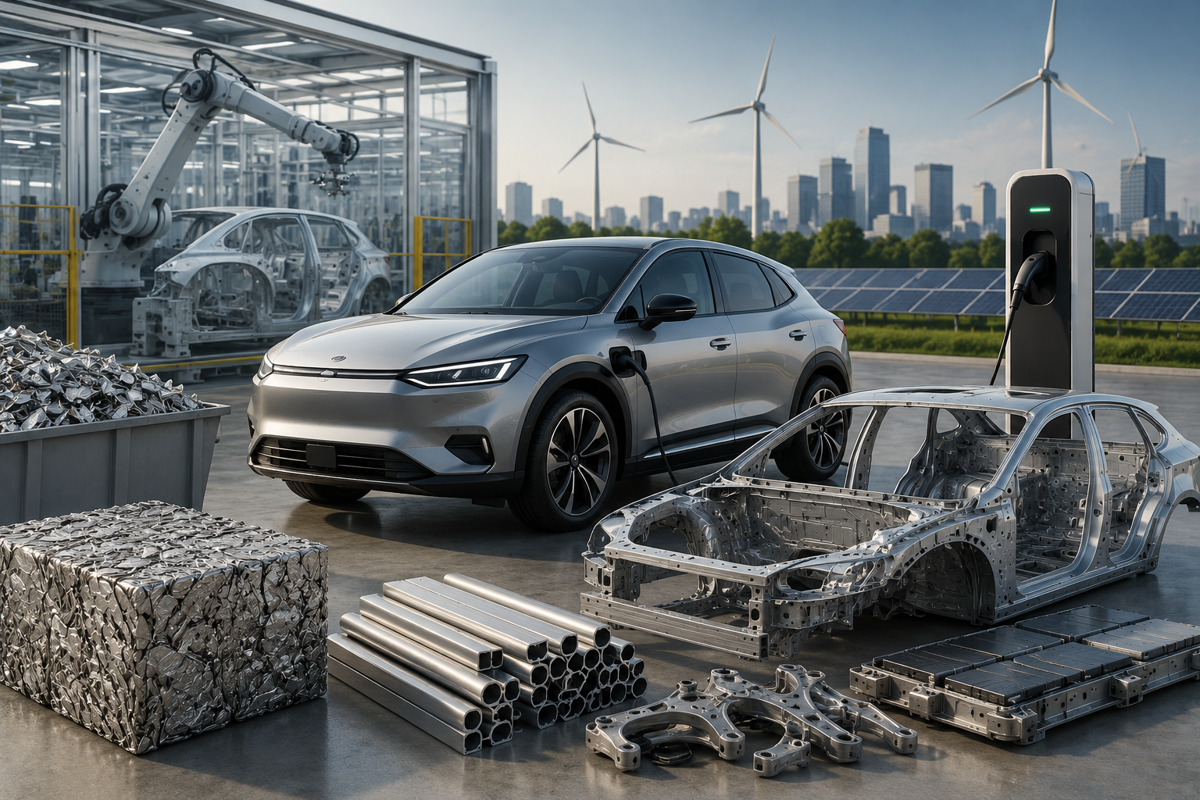
The images used in this article is generated with an AI tool and does not depict any real-time moment
More than 5.45 million electrified vehicles, including battery electric vehicles (BEVs), plug-in hybrid electric vehicles (PHEVs) and hybrids, were sold across Europe, China and the United States during the first quarter of 2026. While Europe delivered double-digit growth driven by stronger demand in its largest automotive markets, China and the United States recorded declines following changes to incentive programmes.
Europe remained the strongest-performing region among the three major markets tracked in the latest EV sales review by PwC. Total EV sales across the European Union, the UK and EFTA countries reached 2.43 million units in Q1 2026, representing a year-on-year increase of 18 per cent. BEV sales rose 26 per cent to 724,000 units, PHEV sales increased 32 per cent to 354,000 units, and hybrid sales climbed 11 per cent to 1.35 million units. Electrified vehicles accounted for 69 per cent of all vehicle registrations in the region during the quarter.
The automotive sector remains Europe's largest consumer of aluminium, accounting for approximately 42 per cent of all aluminium used across end-use industries in the region. Demand is being driven by vehicle lightweighting requirements and the rapid expansion of electric mobility. According to the study, the average aluminium content in a European passenger vehicle has risen from 121 kilograms in 2006 to 205 kilograms in 2022 and is projected to reach 256 kilograms per vehicle by 2030.
Unlock full access – sign up for FREE.
Key benefits
Italian shipyard Baglietto launches first Fast50 aluminium superyacht
Next articleLouis Vuitton launches aluminium luggage collection with rivet-free design
Grow with
AL Circle