Aluminium tariffs, not Trump’s alcohol ban, are the bigger threat to BC brewers

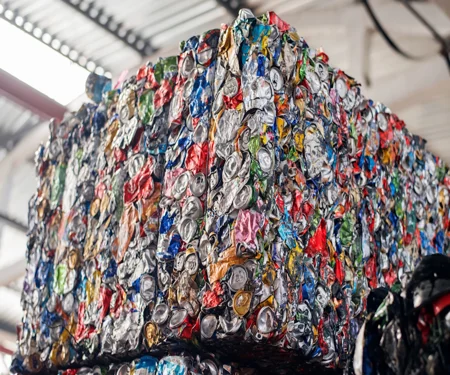
Stock image for referential purposes only
The escalating US-Canada trade conflict is putting pressure on the US alcohol industry from two directions. The BC wine and beer industry is facing fresh uncertainty as the US President Donald Trump proposed to block most Canadian alcoholic beverage imports from September 29, 2026. While British Columbia’s wine industry could face lost US customers if the measure takes effect, craft brewers say the continued rise in aluminium costs is a more immediate concern for their businesses.
The latest escalation spurred from Canada’s new retaliatory tariffs on US goods. In response, US President Donald Trump proposed banning several Canadian imports, including certain beer and wine products, from entering the US market. The Canadian retaliatory package covered about USD 20 billion of US goods, with tariff rates ranging from 15 per cent to 50 per cent.
Limited exposure for BC alcohol industry
The proposed US alcohol ban could affect BC wineries differently depending on their exposure to the American market. Some producers could lose customers built over years, while the wider provincial wine industry is expected to see a more limited impact.
“We don’t actually export a lot of wine to the United States,” said Jeff Guignard, president and CEO of Wine Growers British Columbia.
Guignard said the overall effect on the sector is likely to remain contained, although wineries that rely heavily on US customers could face substantial losses.
He urged governments to advance commitments to improve interprovincial trade and make it easier for Canadian wineries to reach consumers across provincial borders.
The developments come around a year and a half after BC removed American beer, wine and spirits from government liquor store shelves amid growing trade tensions with the US.
US beer market sales dropped by 3 per cent or USD 3.7 billion in 2025, from USD 116.8 billion to USD 113.1 billion. Total production volume dropped by roughly 6 per cent or 9.8 million barrels from 158.1 million barrels to 148.3 million barrels, reaching a ten-year low.
The trade dispute is also affecting the beverage industry through aluminium. US Section 232 aluminium tariffs rose to 25 per cent in March 2025 and then to 50 per cent in June 2025, increasing the cost of physical metal and packaging inputs used by brewers.
Brewers bear a heavier brunt of aluminium costs
For BC’s craft brewing sector, however, the proposed US alcohol ban is not the main source of concern. Brewers say higher aluminium costs are putting greater pressure on an industry already dealing with rising expenses and tight margins.
Thom Riley, chair of the BC Craft Brewers Guild and general manager of Vancouver Island Brewing, stated, “Cans are up anywhere from 20 to 40 per cent across the board.”
“They now represent 55 per cent of the total raw materials and packaging that go into actually making our products,” he added.
Molson Coors Beverage Company also expected profits to fall 11–15 per cent in 2026 due to a USD 125 million headwind arising out of the aluminium tariff impact.
The US Midwest Premium, a regional charge added to the benchmark price of aluminium to obtain physical metal, rose 116.7 per cent from 54 cents per pound on June 3, 2025, to 117 cents per pound on June 2, 2026.
The Brewers Association, representing over 9,500 small and independent US breweries says even US-made cans are affected because domestic pricing reflects the Midwest Premium. It estimates that tariffs account for roughly 30 per cent of the current delivered US aluminium price, while the Midwest Premium represents about 41 per cent, compared with around 18 per cent at the start of the current administration. Aluminium cans accounted for nearly 80 per cent of US craft beer’s off-premises volume in 2025.
Trade data depict a parallel contraction in imported semi-fabricated aluminium. US imports of aluminium plate, sheet and strip, a broad category that includes inputs used for beverage-can sheet, also declined. In 2025, the US imported a total of 89,537 tonnes, down by 29.21 per cent Y-o-Y from 126,485 tonnes imported in 2024.
The same trend is reflected in the first half (H1) of 2026, whereby the import volume continued to contract. In H1 2026, the US sourced 33,733.87 tonnes, down by 42.32 per cent Y-o-Y from 58,487 tonnes imported in H1 2025. The H1 2025 number also dropped 15.82 per cent Y-o-Y from 69,481.04 tonnes sourced in H1 2024.
Riley stated that breweries have been managing higher costs for several years, with aluminium tariffs adding another layer of pressure. The industry is now seeking tax relief from the provincial government to help smaller breweries manage the strain.
According to Riley, 20 craft breweries have closed in British Columbia over the past year, amid rising costs for cans, ingredients, labour, freight and energy.
“I don’t see that trend reversing anytime soon if the government is not willing to step in and get the relief that we’ve asked for,” he said.
The BC Liquor Distribution Branch stated that it remains committed to reviewing the beer markup structure, which craft brewers argue is adding to the financial pressure facing the sector.
Meanwhile, Ottawa’s retaliatory tariffs on hundreds of US products are now in force. Prime Minister Mark Carney has warned Canadians to prepare for continued economic uncertainty as the trade dispute shows little indication of easing.
The disruption is already visible in the wider alcohol trade. US wine exports to Canada fell 78 per cent in 2025, reducing export value by approximately USD 357 million. Canada’s share of worldwide US wine exports fell from 36 per cent in 2024 to 12 per cent in 2025, and the Wine Institute attributes 81 per cent of US global wine-export losses that year to Canadian restrictions.
Aluminium unibody marks a major design upgrade in iPhone 18 Pro Max
Next articleRildo Lima takes charge as CEO of Ardagh Metal Packaging South America
Grow with
AL Circle